
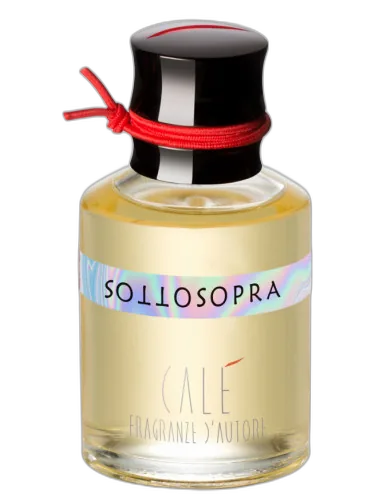
Sottosopra Cale Fragranze D’autore
Fragrance Story
Sottosopra by Cale Fragranze d’Autore is a Chypre fragrance for women and men. Sottosopra was launched in 2018. The nose behind this fragrance is Arturetto Landi. Top notes are Mint, Lemon, Bergamot, Plum and Strawberry; middle notes are Lily-of-the-Valley, Sea Notes and Jasmine; base notes are Vetiver, Leather, Ambergris, Olibanum, Patchouli, Musk and White Musk.
Composition Profile
About the Perfumer

Arturetto Landi
Arturetto Landi is an Italian perfumer known for his work with brands like Adjiumi and Al-Jazeera Perfumes. His style balances classic structure with bold contrasts, often blending rich resins with unexpected floral or gourmand notes. Notable creations include the complex 1918 Parfum National series and the intense, darkly sweet Adjiumi Incubo.
Fragrance Notes
Top Notes
First impression · 15-30 min
 Mint
Mint
 Lemon
Lemon
 Bergamot
 Plum
Plum
 Strawberry
Heart Notes
Core character · 2-4 hours
 Lily-of-the-Valley
 Sea Notes
 Jasmine
Base Notes
Lasting impression · 4+ hours
 Vetiver
 Leather
 Ambergris
Olibanum
Ambergris
Olibanum
 Patchouli
 Musk
White Musk
Musk
White Musk
Character Profile
The Sottosopra Cale Enthusiast Archetype: Portrait of Sottosopra Cale Fragranze D’autore
Essence
To wear Sottosopra Cale Fragranze D’autore is to embrace a paradox-a fragrance that is at once earthy and ethereal, sensual yet intellectual. The person who chooses this scent does not seek simplicity; they are drawn to the tension between opposing forces, the interplay of shadow and light. Their soul is a labyrinth, and their archetype is unmistakably The Sage-though not in the dry, detached sense of mere intellect. This Sage is alchemical, a seeker who understands that wisdom is found in the union of body and mind, instinct and reason.
Shadow
Yet for all their wisdom, they are not immune to the pitfalls of their archetype. The Sage’s greatest strength-their relentless curiosity-can become their greatest weakness. They risk disappearing into their own mind, losing themselves in labyrinths of thought until the world outside feels distant and unreal. Their love of complexity can turn into paralysis; they may hesitate where others act, dissect where others feel.
Their relationships suffer when they intellectualize emotion, turning love into a puzzle to solve rather than an experience to surrender to. They may withdraw at the very moment they are needed most, retreating into analysis when what is required is presence. And though they disdain superficiality, they sometimes mistake simplicity for shallowness, dismissing what is straightforward as unworthy of their attention.
Conclusion
This individual moves through life with a quiet intensity, their presence both magnetic and elusive. They are drawn to the obscure, the layered, the things that require patience to unravel. Their tastes reflect this: they prefer art that demands interpretation, literature that resists easy answers, music that lingers in the subconscious like a half-remembered dream. Their personal style is understated but deliberate-linen that wrinkles with lived-in grace, leather-bound books with cracked spines, a single piece of jewelry worn smooth by time.
Philosophy is not an abstract exercise for them but a way of being. They believe in the necessity of doubt, the virtue of questioning, and the power of silence. Their values are rooted in authenticity-not the performative kind, but the deep, often uncomfortable honesty that comes from self-examination. In relationships, they are slow to trust but fiercely loyal once they do. They do not seek many companions, but the ones they choose are fellow travelers-people who understand that love, like wisdom, is a slow burn.
Their lifestyle is one of deliberate solitude punctuated by bursts of connection. They might spend hours in a dimly lit study, lost in thought, only to emerge into the night with a sudden craving for conversation, wine, and the warmth of another’s voice. They are not ascetics; they savor the pleasures of the senses-good food, the weight of a well-made glass, the scent of rain on stone. But these pleasures are never mere indulgence; they are rituals, ways of grounding the mind in the body.
Similar Fragrances
Fragrances with a comparable profile - shared accords, notes, and character.
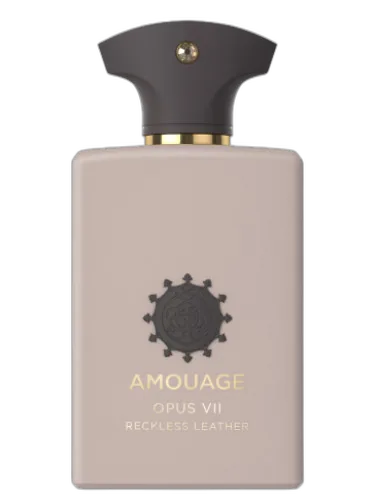
Amouage
Opus Vii – Reckless Leather Amouage
Shared accords: amber, animalic, aromatic

Vilhelm Parfumerie
Morning Chess Vilhelm Parfumerie
Shared accords: amber, animalic, aromatic

Alkemia Perfumes
Wing Of Bat Alkemia Perfumes
Shared accords: amber, animalic, aromatic
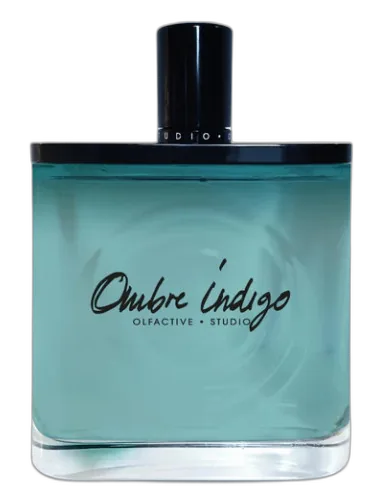
Olfactive Studio
Ombre Indigo Olfactive Studio
Shared accords: amber, animalic, aromatic

Flora
Tallinn Flora
Shared accords: amber, animalic, aromatic