


Ck One Calvin Klein
At a glance
Is Ck One Calvin Klein worth trying?
CK One by Calvin Klein is a Citrus Aromatic fragrance for women and men.
- Best match
- Casual wear in Summer
- Performance feel
- Moderate longevity with Moderate sillage
- Signature profile
- citrus, green, woody with Lemon, Green Notes, Bergamot
The first impression
CK One by Calvin Klein is a Citrus Aromatic fragrance for women and men. CK One was launched in 1994. CK One was created by Alberto Morillas and Harry Fremont. Top notes are Lemon, Green Notes, Bergamot, Mandarin Orange, Pineapple, Cardamom and Papaya; middle notes are Lily-of-the-Valley, Jasmine, Violet, Rose, Nutmeg, Orris Root and Freesia; base notes are Green Accord, Musk, Cedar, Green Tea, Sandalwood, Oakmoss and Amber.
What shapes the scent
The perfumer behind it

Alberto Morillas
Alberto Morillas is a master perfumer based in Geneva, Switzerland, and a longtime collaborator with Firmenich. His style is known for refined, luminous compositions that balance natural elegance with modern clarity. He created the bold leather and spice of Amouage Opus VII - Reckless Leather, the fresh citrus depth of Acqua di Parma Colonia Intensa, and the woody warmth of Aedes de Venustas Palissandre D'or. His work has shaped contemporary perfumery across both niche and luxury houses.
Notes pyramid
Top Notes
First impression · 15-30 min
 Lemon
Lemon
 Green Notes
 Bergamot
 Mandarin Orange
 Pineapple
 Cardamom
 Papaya
Heart Notes
Core character · 2-4 hours
 Lily-of-the-Valley
 Jasmine
 Violet
 Rose
Rose
 Nutmeg
 Orris Root
 Freesia
Base Notes
Lasting impression · 4+ hours
 Green Accord
 Musk
Musk
 Cedar
Green Tea
Cedar
Green Tea
 Sandalwood
 Oakmoss
 Amber
Amber
The mood it creates
The Ck One Wearer Archetype: Portrait of Ck One Calvin Klein
Essence
The one who chooses CK One by Calvin Klein is not drawn to opulence or mystique, nor do they seek to dominate or seduce. Their scent is fresh, clean, unisex-an olfactory democracy. They embody The Everyperson, the archetype of relatability, approachability, and egalitarian spirit. This is not the scent of a solitary dreamer or a ruthless conqueror; it is the fragrance of someone who moves through the world with ease, unburdened by pretension, yet not without depth.
Style & Aesthetic
Their wardrobe is functional yet deliberate-minimalist but not sterile. They favor neutral tones, well-fitted jeans, crisp white shirts, and unstructured blazers. Their style is neither aggressively masculine nor delicately feminine; it simply is. They reject the tyranny of trends, yet they are not immune to them-instead, they distill them into something timeless.
In music, they lean toward indie rock, lo-fi beats, or the occasional classic-something that feels familiar yet not overplayed. Their bookshelf might house Murakami, Didion, or Vonnegut-writers who speak plainly but with weight. They appreciate art that is accessible but not shallow, films that are human before they are grandiose.
They thrive in cities but escape to nature when possible. Their home is uncluttered but warm-a few plants, a record player, a well-stocked bar for impromptu gatherings. They are not workaholics, but they are diligent; they value balance over obsession. Weekends are for brunches, bike rides, or spontaneous road trips.
Yet this ease can tip into complacency. The Everyperson’s greatest fear is stagnation-not the dramatic collapse of failure, but the slow erosion of ambition. They must remind themselves that comfort is not the same as fulfillment.
Philosophy & Values
They believe in fairness above all else. Hierarchies strike them as arbitrary, and they navigate social structures with a quiet skepticism. Their politics are progressive but pragmatic; they dislike dogma, preferring dialogue. They are the friend who mediates conflicts, the coworker who bridges gaps between departments.
Yet this very strength-their ability to blend in-can become their weakness. The Everyperson risks losing themselves in the collective, mistaking adaptability for identity. They may struggle to take a firm stand, fearing alienation. Their shadow is the Conformist, the one who, in seeking harmony, sometimes sacrifices conviction.
Relationships
They are the connector, the one who introduces friends from different circles, who remembers birthdays, who listens without judgment. Romantic partners are drawn to their lack of pretension-they do not play games, nor do they demand grand gestures. Love, to them, is companionship, shared laughter, quiet understanding.
But their aversion to conflict can make them passive in relationships. They may tolerate mistreatment to keep the peace, or they may avoid deep emotional entanglements altogether, preferring the safety of surface-level connections. Their shadow whispers: If you never fully commit, you can never fully lose.
Conclusion
The CK One wearer is neither hero nor outcast. They are the steady pulse of the world, the one who makes life feel normal in the best sense. But normality is a double-edged sword-it grants belonging at the risk of invisibility. Their challenge is to remain grounded without becoming faceless, to be universal without dissolving into the crowd.
In the end, they are the quiet force that holds things together-not with grandeur, but with presence. And perhaps that is enough.
If you like this, try these
Fragrances with a comparable profile - shared accords, notes, and character.

Calvin Klein
Ck One Collector's Bottle Calvin Klein
Shared top notes: bergamot, cardamom, green notes

Thera Cosméticos
Naftali Thera Cosméticos
Shared top notes: bergamot, cardamom, green notes
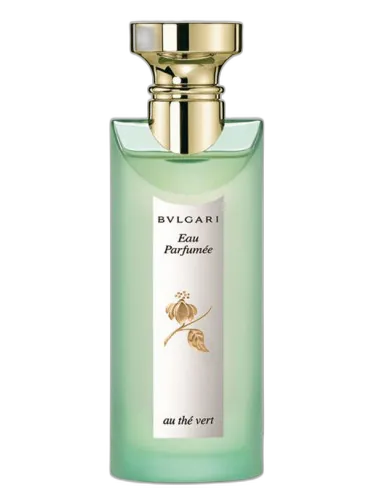
Bvlgari
Eau Parfumee Au The Vert Bvlgari
Shared top notes: bergamot, cardamom, lemon

Giorgio Armani
Emporio Armani Lui Giorgio Armani
Shared top notes: bergamot, cardamom, lemon

Natura
Biografia Natura
Shared top notes: bergamot, green notes, pineapple