
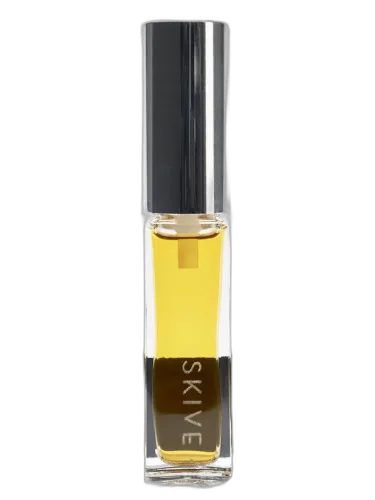

Skive Canoe
At a glance
Is Skive Canoe worth trying?
Skive by Canoe is a Aromatic Spicy fragrance for women and men.
- Best match
- Casual wear in Summer
- Performance feel
- Moderate longevity with Moderate sillage
- Signature profile
- amber, aromatic, tobacco with Choya Loban, Tobacco, Ambrette (Musk Mallow)
The first impression
Skive by Canoe is a Aromatic Spicy fragrance for women and men. Skive was launched in 2014. The nose behind this fragrance is Jessica Hannah.
What shapes the scent
The perfumer behind it

Jessica Hannah
Jessica Hannah is the founder and perfumer of J.Hannah Co., creating fragrances such as Amber Corone, Hazel, Long Branch, Skive, Sunset Blvd., and Upton, as well as Skive for Canoe. Her style is minimalist and artistic, often inspired by abstract concepts and natural landscapes. She crafts scents that are both subtle and distinctive.
Notes pyramid
All Notes
Complete scent profile
 Choya Loban
 Tobacco
 Ambrette (Musk Mallow)
 Myrrh
Myrrh
 Castoreum
 Clary Sage
 Saffron
 Vetiver
 Atlas Cedar
 Nutmeg
The mood it creates
The Skive Canoe Enthusiast Archetype: Portrait of Skive Canoe
Essence
To wear Skive Canoe is to embrace the scent of open water, sun-warmed wood, and the faintest whisper of distant adventure. This fragrance is not for those who crave the dense, intoxicating richness of oud or the sharp precision of citrus-it is for the wanderer who finds poetry in simplicity, who values movement over permanence. The person who chooses this scent is, above all, a Free Spirit, an archetype that thrives on independence, curiosity, and an unshakable belief in the beauty of the unplanned.
Shadow
Yet freedom, when untethered, can become its own prison. The Free Spirit risks becoming the Eternal Wanderer, a figure so afraid of stagnation that they flee even from their own potential. Commitment, to them, can feel like a cage, and so they may leave behind relationships, projects, or opportunities before they have a chance to deepen. Their avoidance of routine can slip into a fear of responsibility, leaving them adrift in a sea of half-lived experiences.
Their independence, while admirable, can also manifest as emotional detachment. They may struggle to sit with discomfort, preferring to escape rather than confront conflict. Their optimism, though infectious, can sometimes border on naivety-they may underestimate the value of roots, of struggle, of the slow, unglamorous work of building something lasting.
Conclusion
Their life is a series of small rebellions against rigidity. They prefer loose linen shirts and well-worn boots, garments that allow for sudden detours and spontaneous swims in hidden lakes. Their home-if they can be said to have one-is a space of curated impermanence: shelves lined with half-read books, maps pinned to walls, a single well-loved guitar leaning against a chair. They are not careless, but they refuse to be weighed down by excess.
Philosophically, they reject the notion that meaning must be found in grand achievements or fixed identities. Instead, they find it in fleeting moments-the way sunlight filters through trees in late afternoon, the laughter of strangers in a roadside diner, the scent of rain on dry earth. They believe in the wisdom of the road, in the idea that movement itself is a kind of truth.
In relationships, they are warm but elusive. They love deeply, but their love is not possessive; they see people as fellow travelers, not anchors. They are the friend who disappears for months only to return with stories and a quiet, knowing smile. Their charm lies in their authenticity-they do not pretend to be anything other than what they are.
If you like this, try these
Fragrances with a comparable profile - shared accords, notes, and character.
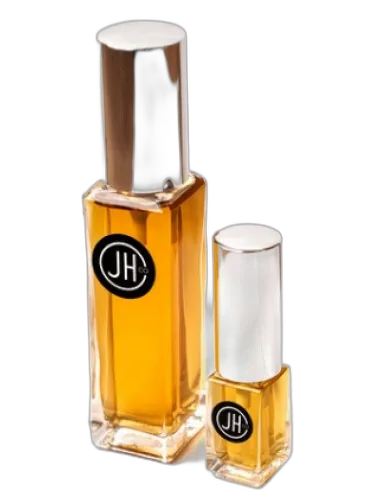
J.Hannah Co.
Skive J.hannah Co.
Shared top notes: ambrette (musk mallow), atlas cedar, castoreum
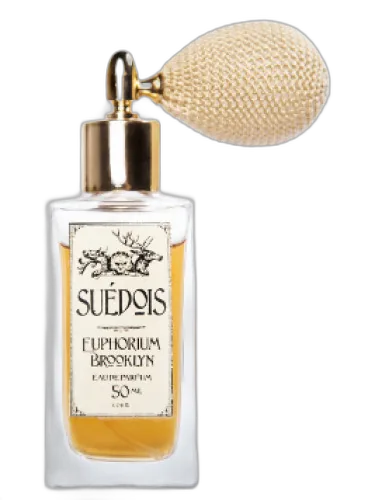
Euphorium Brooklyn
Suédois Euphorium Brooklyn
Shared top notes: castoreum, clary sage, myrrh
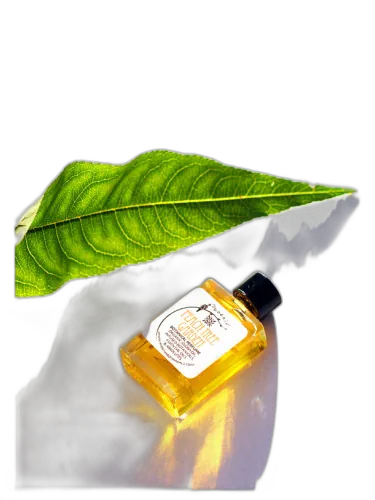
Phoenix Botanicals
Peach Tree Garden Phoenix Botanicals
Shared top notes: ambrette (musk mallow), saffron, tobacco
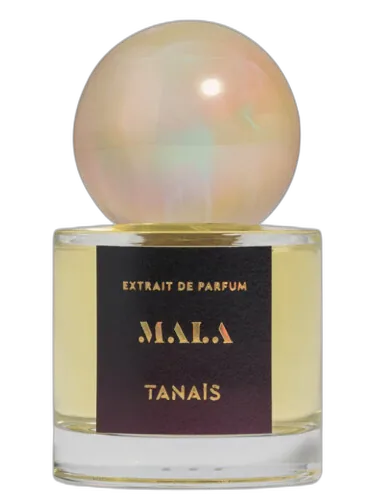
Tanaïs
Mala Tanaïs
Shared top notes: clary sage, saffron
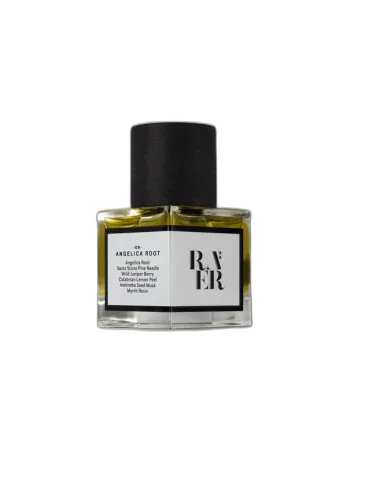
RAER Scents
Raer 09 Angelica Root Raer Scents
Shared top notes: myrrh