
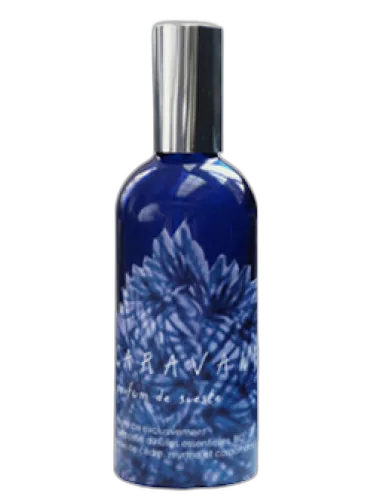

Parfum De Sieste Caravane
At a glance
Is Parfum De Sieste Caravane worth trying?
Parfum de Sieste by Caravane is a Aromatic Spicy fragrance for women and men.
- Best match
- Evening wear in Fall, Winter
- Performance feel
- Good longevity with Moderate sillage
- Signature profile
- amber, aromatic, citrus with Grapefruit, Incense, Lavender
The first impression
Parfum de Sieste by Caravane is a Aromatic Spicy fragrance for women and men. Parfum de Sieste was launched in 2009. The nose behind this fragrance is Barnabe Fillion. Top notes are Grapefruit, Incense, Lavender and Angelica; middle notes are Mastic or Lentisque, Bergamot, Labdanum and Cardamom; base notes are Incense, Myrrh, Atlas Cedar and Spanish Labdanum.
What shapes the scent
The perfumer behind it

Barnabe Fillion
Barnabe Fillion is a French perfumer who trained at Givaudan and now works closely with Aesop, where he has become a defining creative force. His style is known for blending raw, mineral-like accords with earthy and aromatic notes, often evoking landscapes and natural textures. He created several of Aesop’s most distinctive fragrances, including the green, citrusy Erémia, the smoky, woody Karst, and the dark, resinous Miraceti.
Notes pyramid
Top Notes
First impression · 15-30 min
 Grapefruit
 Incense
 Lavender
 Angelica
Heart Notes
Core character · 2-4 hours
 Mastic or Lentisque
 Bergamot
 Labdanum
 Cardamom
Base Notes
Lasting impression · 4+ hours
Incense
 Myrrh
Myrrh
 Atlas Cedar
 Spanish Labdanum
The mood it creates
The Wanderer Archetype: Portrait of Parfum De Sieste Caravane
Essence
This person is, at their core, a Nomad-an archetype that embodies the restless spirit of movement, the wisdom of impermanence, and the deep, almost mystical connection to the unseen currents of life. The Nomad does not merely travel; they dissolve into landscapes, collecting textures, scents, and stories like a desert wind gathering sand. Parfum de Sieste Caravane, with its hypnotic blend of warm amber, sunbaked hay, and the ghostly whisper of spices, is their olfactory manifesto. It is a fragrance of transience, of pauses between journeys, of the quiet exhale before the next departure.
Relationships
They love deeply but lightly, like sunlight passing through leaves. Their connections are intense but often transient, not out of shallowness but because they understand that some bonds are meant to be seasons, not lifetimes. They are drawn to those who also carry the mark of the road-artists, wanderers, those who speak in riddles and silences. But this very quality can make them elusive, even to those who crave their presence.
Their shadow emerges here: a reluctance to commit, not out of fear, but out of an almost spiritual resistance to being anchored. They may leave behind lovers who mistake their warmth for permanence, friendships that expected more than they could give. Their greatest sin is not cruelty but absence-the way they vanish like mist when the air grows too still.
Conclusion
Their tastes are not bound by convention but shaped by the raw poetry of experience. They prefer the rough grain of handmade paper to the gloss of screens, the slow burn of aged rum to the immediacy of vodka. Their wardrobe is an archive of textures-linen that wrinkles like ancient maps, leather softened by years of use, wool that still carries the scent of distant fires. They do not follow fashion; they wear time itself.
Philosophy, for them, is not an abstract exercise but a living thing, woven into their movements. They believe in the sacredness of the ephemeral-that beauty is most potent when it is fleeting. They distrust permanence, seeing it as stagnation in disguise. Their values are rooted in freedom, but not the reckless kind; theirs is a deliberate, almost reverent autonomy, a refusal to be owned by place or person.
If you like this, try these
Fragrances with a comparable profile - shared accords, notes, and character.

Police
Pure Police London Homme Police
Shared top notes: incense, lavender

Ayala Moriel
Altruism Ayala Moriel
Shared top notes: grapefruit, lavender

Tessa Williams
Love Tessa Williams
Shared heart notes: bergamot
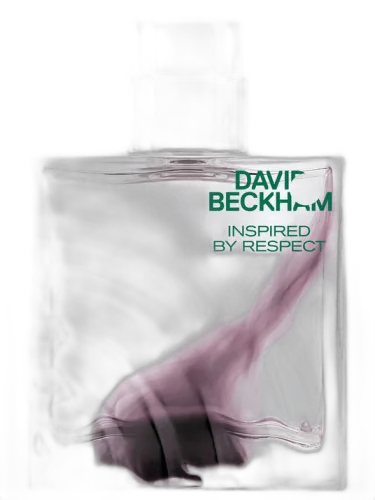
David Beckham
Inspired By Respect David Beckham
Shared top notes: grapefruit, lavender
DSH Perfumes
Adoration (milan) Dsh Perfumes
Shared top notes: angelica