
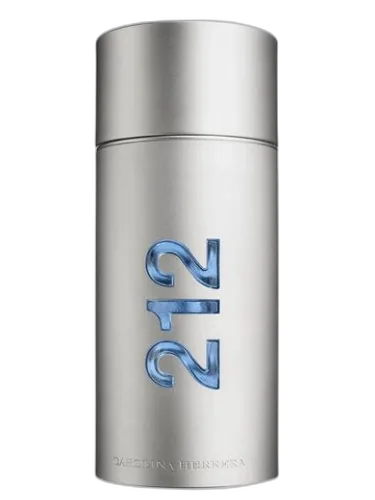

212 Men Carolina Herrera
At a glance
Is 212 Men Carolina Herrera worth trying?
212 Men by Carolina Herrera is a Woody Floral Musk fragrance for men.
- Best match
- Casual wear in Spring
- Performance feel
- Good longevity with Moderate sillage
- Signature profile
- citrus, green, warm spicy with Green Notes, Grapefruit, Spices
The first impression
212 Men by Carolina Herrera is a Woody Floral Musk fragrance for men. 212 Men was launched in 1999. 212 Men was created by Alberto Morillas, Rosendo Mateu and Ann Gottlieb. Top notes are Green Notes, Grapefruit, Spices, Bergamot, Lavender and Petitgrain; middle notes are Ginger, Violet, Gardenia and Sage; base notes are Musk, Sandalwood, Incense, Vetiver, Guaiac Wood and Labdanum.
What shapes the scent
The perfumer behind it

Alberto Morillas
Alberto Morillas is a master perfumer based in Geneva, Switzerland, and a longtime collaborator with Firmenich. His style is known for refined, luminous compositions that balance natural elegance with modern clarity. He created the bold leather and spice of Amouage Opus VII - Reckless Leather, the fresh citrus depth of Acqua di Parma Colonia Intensa, and the woody warmth of Aedes de Venustas Palissandre D'or. His work has shaped contemporary perfumery across both niche and luxury houses.
Notes pyramid
Top Notes
First impression · 15-30 min
 Green Notes
 Grapefruit
 Spices
 Bergamot
 Lavender
 Petitgrain
Heart Notes
Core character · 2-4 hours
 Ginger
 Violet
 Gardenia
 Sage
Sage
Base Notes
Lasting impression · 4+ hours
 Musk
Musk
 Sandalwood
 Incense
 Vetiver
 Guaiac Wood
 Labdanum
The mood it creates
The Alchemist Archetype: Portrait of 212 Men Carolina Herrera
Essence
The man who wears 212 Men Carolina Herrera is, at his core, a Magician-a figure who transforms the mundane into the extraordinary. Like Hermes, he moves effortlessly between worlds, wielding charm and intellect as his tools. The Magician is a master of perception, shaping reality through wit, style, and calculated presence. He does not merely exist in the world; he enchants it.
The fragrance itself-citrusy, fresh, with an undercurrent of spice-mirrors this archetype. It is both approachable and elusive, a scent that lingers in memory rather than overwhelming the senses. It suggests a man who understands the power of subtlety, who knows that true influence is often exerted quietly.
Shadow
Yet the Magician’s power comes with a cost. His greatest flaw is his tendency to manipulate-sometimes unconsciously. He can become so adept at shaping perceptions that he loses touch with his own authenticity. He may charm people effortlessly, but does he ever let them truly know him?
There is a restlessness in him, a fear of stagnation that can make commitment difficult. He flirts with depth but sometimes retreats into surfaces, mistaking novelty for meaning. His relationships may suffer from a lack of vulnerability-he is so used to being in control that he struggles to surrender to raw, unfiltered emotion.
At his worst, he risks becoming a sophisticated ghost, admired but never grasped. The very qualities that make him magnetic-his adaptability, his elusiveness-can also isolate him.
Conclusion
His life is an exercise in controlled spontaneity. He thrives in cities, where human energy is dense and possibilities endless. His style is modern but never sterile-tailored blazers with an undone button, crisp white shirts that suggest effortlessness, shoes polished but not ostentatious. He is neither a dandy nor a minimalist; he is a curator of impressions.
His tastes reflect a refined eclecticism. He enjoys jazz but also electronic music, reads Murakami and Nietzsche, prefers cocktails that balance bitterness and sweetness. He is drawn to contrasts, seeing beauty in tension-the way a sleek skyscraper stands against an old cobblestone street, or how a well-timed silence can be more powerful than words.
Philosophically, he believes in self-invention. He does not accept fate as fixed; he sees identity as something fluid, something to be sculpted. This is not deception-it is alchemy, the transformation of raw potential into something polished.
If you like this, try these
Fragrances with a comparable profile - shared accords, notes, and character.
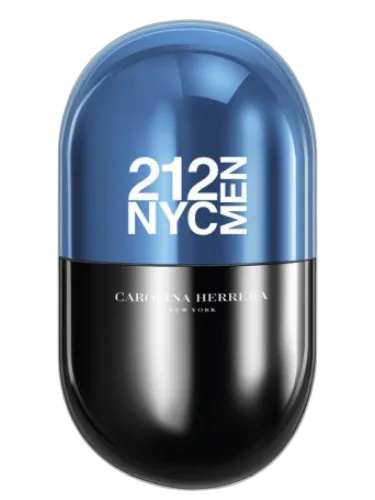
Carolina Herrera
212 Nyc Men Pills Carolina Herrera
Shared top notes: bergamot, grapefruit, green notes
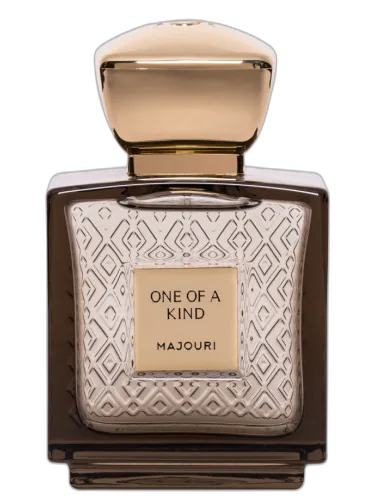
Majouri
One Of A Kind Majouri
Shared top notes: lavender, petitgrain, spices
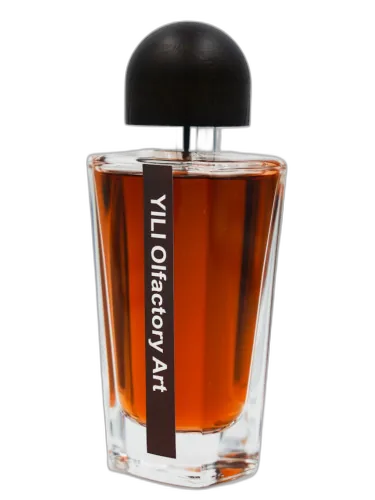
Yili Olfactory Art
Pimp 皮条客 Yili Olfactory Art
Shared top notes: grapefruit, petitgrain
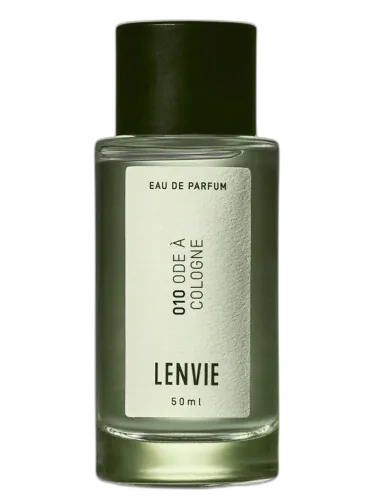
L’envie Parfums
010 Ode À Cologne L’envie Parfums
Shared top notes: bergamot, petitgrain
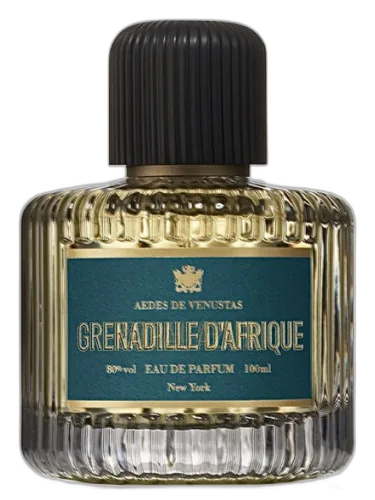
Aedes de Venustas
Grenadille D'afrique Aedes De Venustas
Shared top notes: bergamot, lavender