
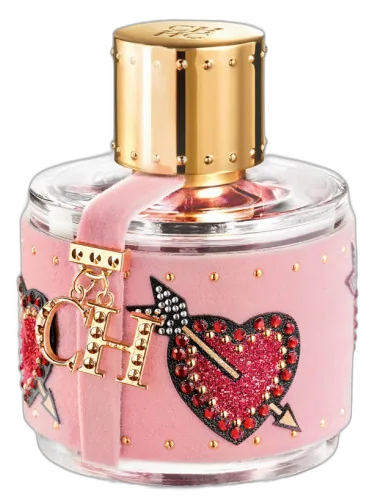

Ch Queens Carolina Herrera
At a glance
Is Ch Queens Carolina Herrera worth trying?
CH Queens by Carolina Herrera is a Oriental Floral fragrance for women.
- Best match
- Evening wear in Spring
- Performance feel
- Good longevity with Moderate sillage
- Signature profile
- vanilla, coconut, sweet with Pink Grapefruit, Seaweed, Neroli
The first impression
CH Queens by Carolina Herrera is a Oriental Floral fragrance for women. CH Queens was launched in 2019. The nose behind this fragrance is Veronique Nyberg. Top notes are Pink Grapefruit, Seaweed and Neroli; middle notes are Coconut, Ylang-Ylang and Peony; base notes are Vanilla and Sandalwood.
What shapes the scent
The perfumer behind it

Véronique Nyberg
Véronique Nyberg is a French perfumer with a diverse portfolio spanning multiple brands. She has created fragrances for Armand Basi, BORNTOSTANDOUT®, Benetton, and Blumarine, among others. Her work includes Night Blue, Be My Cookie, and Mon Bouquet Blanc, showcasing versatility from gourmand to floral. Nyberg also contributed to Burdin's Les Beaux Jours and Paris Minuit.
Notes pyramid
Top Notes
First impression · 15-30 min
 Pink Grapefruit
 Seaweed
 Neroli
Heart Notes
Core character · 2-4 hours
 Coconut
 Ylang-Ylang
 Peony
Peony
Base Notes
Lasting impression · 4+ hours
 Vanilla
 Sandalwood
The mood it creates
The Sovereign Archetype: Portrait of Ch Queens Carolina Herrera
Essence
To wear CH Queens Carolina Herrera is to declare oneself a ruler of an inner kingdom-a person who commands presence without brute force, who exudes elegance not as an affectation but as a natural extension of their being. This fragrance, with its bold floralcy, creamy vanilla, and regal fruity accents, is the olfactory crown of someone who thrives in the interplay between power and grace. Their archetype is unmistakable: The Sovereign.
The Sovereign is not born into authority-they cultivate it. They move through life with an air of assuredness, not because they are free of doubt, but because they have learned to transmute uncertainty into poise. Their tastes are refined but never sterile; they appreciate the richness of velvet, the weight of gold, the depth of a well-aged wine. Their wardrobe is a carefully curated arsenal of statement pieces-structured blazers, silk blouses, tailored trousers-each item chosen not for trend but for timeless impact.
Philosophically, they believe in order through aesthetic discipline. Chaos is not to be feared but shaped, and beauty is not frivolous-it is a form of control. They are drawn to symmetry, balance, and the quiet power of understatement. In conversation, they are neither domineering nor passive; they listen with the patience of a diplomat and speak with the precision of a strategist.
Shadow
Yet, like all rulers, they risk becoming prisoners of their own throne. Their love of control can harden into inflexibility, an unwillingness to adapt when circumstances demand it. They may mistake stoicism for strength, suppressing vulnerability until it erupts in unexpected ways-cold dismissiveness, passive aggression, or a sudden, uncharacteristic recklessness.
Their high standards, while admirable, can also manifest as impatience with imperfection. They may grow frustrated with those who lack their discipline, dismissing them as weak or unserious. In moments of stress, they retreat behind a facade of indifference, leaving loved ones feeling shut out.
Romantically, they may struggle with intimacy, fearing that to reveal too much is to relinquish control. They prefer partners who match their self-possession but may inadvertently push away those who crave deeper emotional spontaneity.
Conclusion
Their greatest strength lies in their ability to inspire without demanding. People gravitate toward them not out of obligation but because they embody an ideal-one of competence, dignity, and self-possession. They are natural leaders, not because they crave power, but because others instinctively defer to their judgment.
In relationships, they are fiercely loyal but never clingy. They expect the same level of commitment they give, and while they are not prone to outbursts of emotion, their love is demonstrated through acts of devotion-thoughtful gifts, unwavering support, the quiet assurance of presence. Their friendships are built on mutual respect, and they have little patience for petty drama or emotional vampirism.
Their lifestyle reflects their inner hierarchy: a well-ordered home, a career built on merit, a social circle that values substance over spectacle. They are drawn to the arts, particularly classical music, Baroque paintings, and literature that explores the human condition with both intellect and empathy.
If you like this, try these
Fragrances with a comparable profile - shared accords, notes, and character.
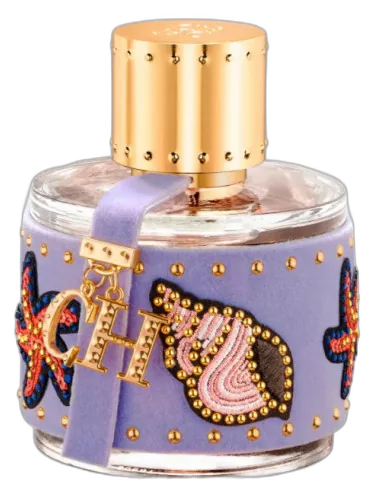
Carolina Herrera
Ch Under The Sea Carolina Herrera
Shared top notes: seaweed

Thera Cosméticos
Agatha Thera Cosméticos
Shared top notes: neroli

Abel
Golden Neroli Abel
Shared top notes: neroli

Le Couvent Maison de Parfum
Aqua Mahana Le Couvent Maison De Parfum
Shared heart notes: ylang-ylang
Thera Cosméticos
Victorie Thera Cosméticos
Shared base notes: sandalwood, vanilla