


La Fête Des Roses Caron
At a glance
Is La Fête Des Roses Caron worth trying?
La Fête des Roses by Caron is a Floral fragrance for women.
- Best match
- Evening, Special Occasion wear in Spring, Summer
- Performance feel
- Excellent longevity with Strong sillage
- Signature profile
- powdery, floral, iris with Geranium, Indonesian Carnation, Bulgarian Rose
The first impression
La Fête des Roses by Caron is a Floral fragrance for women. La Fête des Roses was launched in 1936. The nose behind this fragrance is Ernest Daltroff. Top note is Geranium; middle notes are Indonesian Carnation, Bulgarian Rose, May Rose, Damask Rose, Lilac, Iris and Violet; base notes are Orris, Vanilla, Musk and Vetiver.
What shapes the scent
The perfumer behind it

Ernest Daltroff
Ernest Daltroff was a pioneering perfumer and the founder of Caron, where he created classics like Bellodgia, En Avion, and Fleurs de Rocaille. His fragrances are known for their rich, floral compositions and innovative use of ingredients. Daltroff's legacy includes a distinctive style that has influenced perfumery for decades.
Notes pyramid
Top Notes
First impression · 15-30 min
 Geranium
Heart Notes
Core character · 2-4 hours
 Indonesian Carnation
Bulgarian Rose
May Rose
Damask Rose
Indonesian Carnation
Bulgarian Rose
May Rose
Damask Rose
 Lilac
Lilac
 Iris
Iris
 Violet
Base Notes
Lasting impression · 4+ hours
Orris
 Vanilla
 Musk
Musk
 Vetiver
The mood it creates
The Muse Archetype: Portrait of La Fête Des Roses Caron
Essence
La Fête des Roses embodies the Muse, a fragrance that breathes art into existence. The symphony of roses-Bulgarian, May, Damask-creates an olfactory sonnet. This is a scent for those who inspire by simply being, their presence a catalyst for beauty.
Style & Aesthetic
They dress in flowing silks that catch the light like petals, their palette drawn from dawn skies and hothouse flowers. Their home is a gallery of collected wonders: dried bouquets in vintage vases, sketches pinned haphazardly to walls. Even their gestures seem choreographed by some unseen poet.
Philosophy & Values
They believe beauty is not passive but generative. The roses in their fragrance aren't merely pretty-they're living invitations to create. For them, inspiration flows both ways: they give it freely and absorb it from the world like the orris root drinks water.
Relationships
Artists orbit them like planets around a sun, though the Muse resists being anyone's possession. Romantic partners are often creatives who worship at their altar, yet struggle to capture their essence. Friendships are intense but ephemeral, like the lifespan of cut flowers.
Lifestyle
Their days unfold unpredictably: mornings modeling for a painter, afternoons composing letters on scented paper. They keep no regular hours, following inspiration wherever it leads. Even their meals are aesthetic acts-berries arranged just so, tea served in translucent porcelain.
Shadow
Their ethereality can become detachment, the powdery iris notes drifting into isolation. When unbalanced, they live only for admiration, mistaking being seen for being known. The musk's animalic depth reminds them that even muses must remain grounded.
Conclusion
La Fête des Roses is a love letter to transience, proof that inspiration blooms brightest when fleeting. Like the Muse, it teaches that true artistry lies not in permanence, but in the moment between inhaling and exhaling.
If you like this, try these
Fragrances with a comparable profile - shared accords, notes, and character.
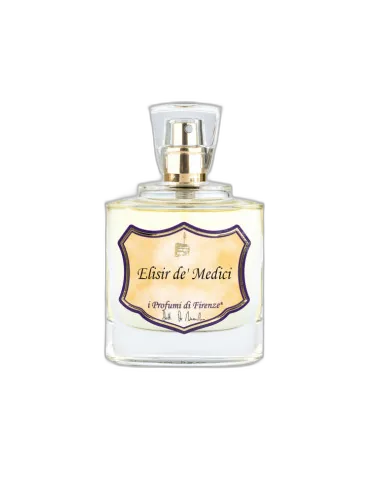
I Profumi di Firenze
Elisir De' Medici I Profumi Di Firenze
Shared top notes: geranium
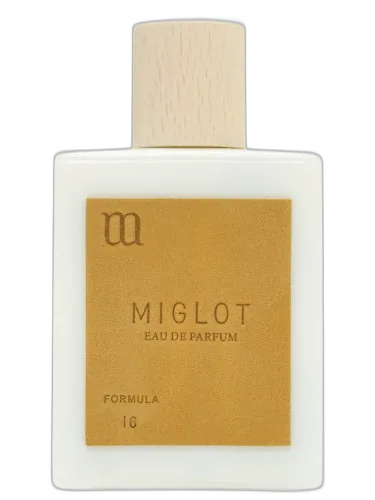
Miglot
Formula 16 Miglot
Shared top notes: geranium

Filippo Sorcinelli
Rosa Fiorita Filippo Sorcinelli
Shared top notes: geranium
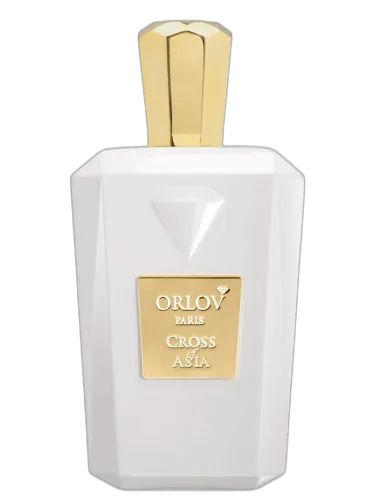
Orlov Paris
Cross Of Asia Orlov Paris
Shared top notes: geranium
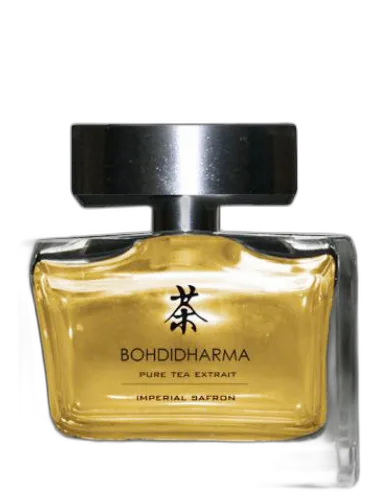
Bohdidharma
Imperial Saffron Bohdidharma
Shared top notes: geranium