


Burning Leaves Cb I Hate Perfume
At a glance
Is Burning Leaves Cb I Hate Perfume worth trying?
Burning Leaves by CB I Hate Perfume is a Aromatic fragrance for women and men.
- Best match
- Casual wear in Fall
- Performance feel
- Moderate longevity with Moderate sillage
- Signature profile
- woody, sweet with Maple
The first impression
Burning Leaves by CB I Hate Perfume is a Aromatic fragrance for women and men. Burning Leaves was launched in 2005. The nose behind this fragrance is Christopher Brosius.
What shapes the scent
The perfumer behind it

Christopher Brosius
Christopher Brosius is an American perfumer and founder of CB I Hate Perfume, known for his unconventional, narrative-driven scents. His portfolio includes fragrances like 2nd Cumming, At the Beach 1966, and Beautiful Launderette, which evoke specific memories and atmospheres. He also created Cumming for actor Alan Cumming, blending personal storytelling with olfactory art.
Notes pyramid
All Notes
Complete scent profile
 Maple
Maple
The mood it creates
The Wanderer Archetype: Portrait of Burning Leaves Cb I Hate Perfume
Essence
The Wanderer is the archetype of the solitary seeker, the one who finds meaning not in destinations but in the journey itself. They are drawn to the edges of the known world, to the quiet spaces where memory and earth meet. Burning Leaves captures this spirit perfectly: it is the scent of autumn’s final act, of maple sweetness dissolving into woodsmoke and the melancholy of a season’s end. This fragrance does not announce itself; it lingers like a half-remembered dream, a whisper of bonfires and the crisp air of a forest path.
Style & Aesthetic
The Wanderer’s style is unstudied and organic, favoring textures that tell stories: weathered leather, thick wool, and linen that has softened with time. Their wardrobe is a palette of earth tones-deep browns, rust, charcoal, and the faded green of moss. They are drawn to vintage finds and handmade pieces, each item carrying its own history. Their aesthetic is one of quiet beauty, of finding elegance in the imperfect and the transient, like the last leaves clinging to a branch before the wind takes them.
Philosophy & Values
The Wanderer values authenticity above all else. They believe that truth is found not in grand narratives but in the small, fleeting moments of connection with the world. They are deeply attuned to the cycles of nature and the passage of time, finding wisdom in decay and renewal. Their philosophy is one of gentle acceptance: they do not seek to possess or control, but to experience and remember. They hold that the most profound insights come from solitude and the slow, deliberate observation of the world as it is.
Relationships
In relationships, the Wanderer is a loyal but elusive presence. They cherish deep, meaningful connections but require space to roam, both physically and emotionally. They are the friend who appears after months of silence with a story and a gift found on their travels. Romantic partners must understand that their love is expressed not through constant presence but through the quality of their attention when they are there. They are drawn to others who respect their need for solitude and who share their reverence for the wild and the ephemeral.
Lifestyle
The Wanderer’s life is a series of rituals that honor the present moment. They might start their day with a long walk, regardless of weather, and end it by a fire, watching the flames consume the day’s worries. Their home is a sanctuary of collected objects: pressed leaves, smooth stones, and books with dog-eared pages. They are likely to be found in libraries, antique shops, or hiking trails, always seeking the next quiet revelation. Their habits are simple but intentional, each action a meditation on impermanence and beauty.
Shadow
The Wanderer’s shadow is a tendency toward detachment and a fear of being rooted. They may use their love of solitude to avoid intimacy, mistaking isolation for freedom. The same reverence for the transient can become a refusal to commit, to build, or to be present for the messiness of lasting relationships. They risk becoming a ghost in their own life, always watching from the periphery, never fully engaging. The scent of burning leaves can become a lament for what is lost rather than a celebration of what is, if they forget that even ashes nourish the ground.
Conclusion
Burning Leaves is the olfactory portrait of the Wanderer, a fragrance that captures the beauty of letting go and the grace of moving on. It is a scent for those who find poetry in decay and wisdom in the quiet spaces between seasons. To wear it is to embrace the role of the observer, the seeker, the one who walks alone but is never lonely, carrying the memory of every fire they have ever seen.
If you like this, try these
Fragrances with a comparable profile - shared accords, notes, and character.

Sucreabeille
Papa's Waffles Sucreabeille
Shared top notes: maple

The Dua Brand
Caramelized Sugar S’mores The Dua Brand
Shared top notes: maple

Bath & Body Works
Pumpkin Pecan Waffles Bath & Body Works
Shared top notes: maple

Bath & Body Works
Salted Caramel Pumpkin Bath & Body Works
Shared top notes: maple
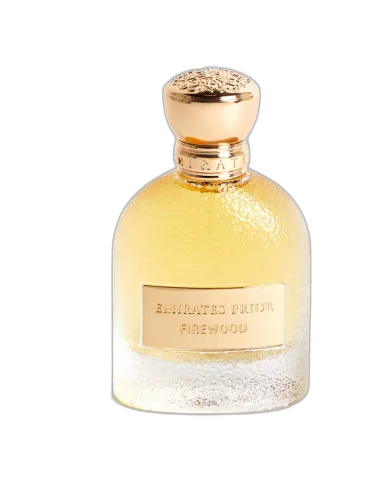
Emirates Pride Perfumes
Firewood Emirates Pride Perfumes
Shared accords: sweet, woody