


Cradle Of Light Cb I Hate Perfume
At a glance
Is Cradle Of Light Cb I Hate Perfume worth trying?
Cradle of Light by CB I Hate Perfume is a Floral Green fragrance for women.
- Best match
- Casual wear in Spring
- Performance feel
- Moderate longevity with Moderate sillage
- Signature profile
- green, white floral, aromatic with Jasmine, Narcissus, Tuberose
The first impression
Cradle of Light by CB I Hate Perfume is a Floral Green fragrance for women. Cradle of Light was launched in 2006. The nose behind this fragrance is Christopher Brosius. Top notes are Jasmine, Narcissus, Tuberose, Lotus and Night Blooming Jasmine; middle notes are Galbanum, Violet Leaf, Tomato and Sumac; base notes are Sandalwood and Musk.
What shapes the scent
The perfumer behind it

Christopher Brosius
Christopher Brosius is an American perfumer and founder of CB I Hate Perfume, known for his unconventional, narrative-driven scents. His portfolio includes fragrances like 2nd Cumming, At the Beach 1966, and Beautiful Launderette, which evoke specific memories and atmospheres. He also created Cumming for actor Alan Cumming, blending personal storytelling with olfactory art.
Notes pyramid
Top Notes
First impression · 15-30 min
 Jasmine
 Narcissus
 Tuberose
 Lotus
Lotus
 Night Blooming Jasmine
Heart Notes
Core character · 2-4 hours
 Galbanum
 Violet Leaf
 Tomato
 Sumac
Sumac
Base Notes
Lasting impression · 4+ hours
 Sandalwood
 Musk
Musk
The mood it creates
The Archetype Archetype: Portrait of Cradle Of Light Cb I Hate Perfume
Essence
This person is most closely aligned with the Innocent archetype-a seeker of purity, simplicity, and unspoiled beauty. They are drawn to fragrances like Cradle of Light because it embodies a sense of untouched radiance, like morning dew on fresh petals or sunlight filtering through sheer curtains. The Innocent archetype thrives on hope, idealism, and a deep longing for a world untainted by cynicism. Yet, like all archetypes, this one casts a shadow-naivety, fragility, and a resistance to harsh realities.
Style & Aesthetic
Their aesthetic is soft, luminous, and understated. They favor natural fabrics-linen, cotton, silk-in muted tones, as if they are trying to blend into the landscape of an Impressionist painting. Their home is filled with diffused light, uncluttered spaces, and objects that carry meaning: a smooth river stone, a pressed flower, a well-worn book of poetry.
Music for them is ambient, drifting-perhaps the compositions of Erik Satie or the dream-folk of Vashti Bunyan. They do not seek intensity; they seek resonance.
They rise early, drawn to the quiet hours when the world is still half-dreaming. Mornings are sacred: a cup of herbal tea, the slow unfurling of sunlight, the ritual of grounding themselves before the day begins. They may practice yoga or meditation, not as trends, but as ways to maintain equilibrium.
Their work must align with their values-perhaps they are an artist, a gardener, a therapist, or a curator of beauty in some form. Routine office jobs drain them; they wither in environments that demand emotional detachment.
Philosophy & Values
Their worldview is built upon the belief that beauty and goodness are intrinsic to existence. They do not merely enjoy aesthetics; they need them, like oxygen. Their philosophy leans toward transcendentalism-finding the sacred in the mundane, the extraordinary in the ordinary. They might quote Rilke or Wordsworth, not out of pretension, but because those poets articulate the quiet magic they feel pulsing beneath the surface of life.
Yet, this idealism is both their strength and their weakness. They resist ugliness, conflict, and moral ambiguity, sometimes to the point of denial. They may struggle with disillusionment when reality fails to match their vision.
Relationships
They are drawn to gentle souls, those who speak softly and listen deeply. Their friendships are few but profound, built on shared silences as much as shared words. Romantic partners must understand their need for emotional sanctuary-someone who can appreciate their delicate inner world without trying to "fix" its fragility.
Yet, their aversion to conflict can make them passive in relationships. They may avoid necessary confrontations, allowing resentment to fester beneath a serene exterior. Their shadow whispers that if they ignore darkness, it will disappear-but it never does.
Shadow
The Innocent’s greatest weakness is their reluctance to face life’s inevitable harshness. When betrayed or disappointed, they do not rage-they retreat. Their fragility is not weakness, but an overdeveloped sensitivity, a refusal to armor themselves against the world.
To grow, they must learn that light cannot exist without shadow, that true resilience comes not from avoiding pain but from integrating it. The Cradle of Light they love so much is beautiful precisely because it is fleeting-just as they must learn that strength lies in embracing impermanence, not resisting it.
Conclusion
They are not naive, though some may mistake them for it. They have chosen their lens deliberately, filtering the world through tenderness because they believe-perhaps rightly-that beauty is the most radical form of resistance. Their challenge is to remain open without breaking, to love the light while acknowledging the dark.
In the end, they are not seeking escape. They are seeking transcendence-a way to touch the sublime without losing themselves in it. And in that quest, they are both fragile and fiercely brave.
If you like this, try these
Fragrances with a comparable profile - shared accords, notes, and character.
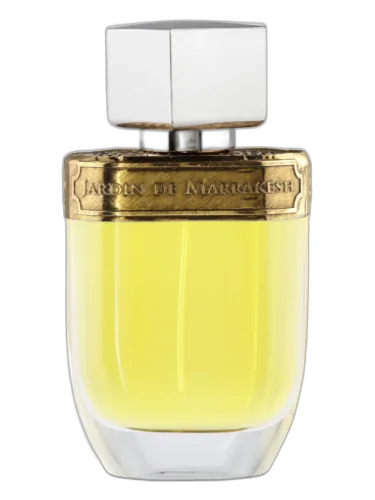
Aulentissima
Jardin De Marrakesh Aulentissima
Shared top notes: jasmine, tuberose

Mary Kay
Belara Mary Kay
Shared top notes: lotus
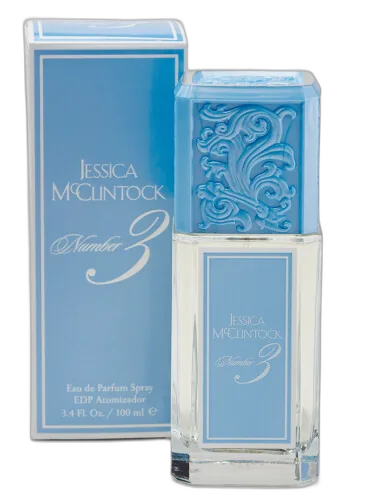
Jessica McClintock
Number 3 Jessica Mcclintock
Shared top notes: jasmine
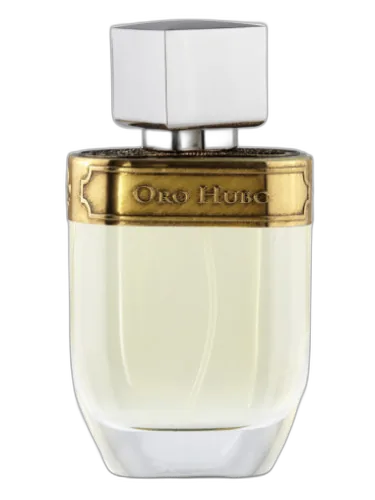
Aulentissima
Oro Hubo Aulentissima
Shared heart notes: galbanum
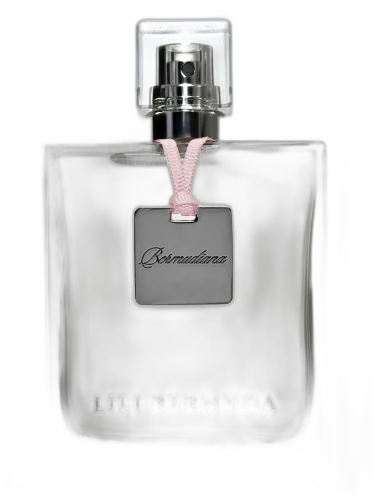
Lili Bermuda
Bermudiana Lili Bermuda
Shared heart notes: galbanum