
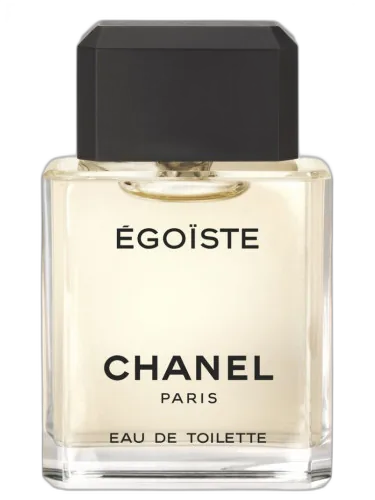

Egoiste Chanel
At a glance
Is Egoiste Chanel worth trying?
Egoiste by Chanel is a Woody Spicy fragrance for men.
- Best match
- Evening wear in Fall
- Performance feel
- Very Good longevity with Strong sillage
- Signature profile
- woody, warm spicy, cinnamon with Brazilian Rosewood, Coriander, Sicilian Mandarin
The first impression
Egoiste by Chanel is a Woody Spicy fragrance for men. Egoiste was launched in 1990. The nose behind this fragrance is Jacques Polge. Top notes are Brazilian Rosewood, Coriander, Sicilian Mandarin and Mahogany; middle notes are Cinnamon, Damask Rose and Carnation; base notes are Sandalwood, Tobacco, Vanilla, Leather, Amber and Ambrette (Musk Mallow).
What shapes the scent
The perfumer behind it

Jacques Polge
Jacques Polge served as the in-house perfumer for Chanel from 1978 to 2015, creating many of the brand's iconic fragrances. His work includes Allure and Allure Homme, as well as the exclusive Les Exclusifs de Chanel line. He also composed Agua Brava Sea Power for Antonio Puig, demonstrating his versatility across different fragrance styles.
Notes pyramid
Top Notes
First impression · 15-30 min
 Brazilian Rosewood
 Coriander
 Sicilian Mandarin
 Mahogany
Heart Notes
Core character · 2-4 hours
 Cinnamon
Damask Rose
Cinnamon
Damask Rose
 Carnation
Base Notes
Lasting impression · 4+ hours
 Sandalwood
 Tobacco
 Vanilla
 Leather
 Amber
Amber
 Ambrette (Musk Mallow)
The mood it creates
The Sovereign Archetype: Portrait of Egoiste Chanel
Essence
To wear Egoiste by Chanel is to embrace an aura of self-possession, a fragrance that is unapologetically rich, woody, and opulent-neither seeking approval nor offering compromise. The person who chooses this scent is not merely selecting a perfume; they are declaring an allegiance to a certain way of being. They are, above all, a Sovereign-an archetype of authority, self-assurance, and cultivated refinement.
Shadow
Yet every archetype has its dark counterpart, and the Sovereign is no exception. Their greatest strength-unyielding self-assurance-can curdle into arrogance. They may dismiss others too quickly, mistaking their own discernment for infallibility. Their love of control can become oppressive, both to themselves and those around them.
There is also the risk of isolation. To stand apart is to be alone, and the Sovereign’s disdain for mediocrity can leave them stranded in self-imposed exile. They may mistake solitude for strength, forgetting that even kings need counsel.
Conclusion
This is someone who moves through the world with an air of quiet command. They do not shout, nor do they need to; their presence alone demands attention. Their tastes are deliberate-luxurious but never ostentatious. Their wardrobe leans toward tailored silhouettes, rich fabrics, and muted yet deep colors: charcoal, burgundy, midnight blue. They prefer the weight of cashmere, the texture of aged leather, the gleam of polished metal.
Philosophically, they believe in the sovereignty of the individual. They do not follow trends; they set them. Their values revolve around autonomy, excellence, and the mastery of one’s own domain-whether that be in career, intellect, or personal style. They are drawn to the classics-literature, art, music-but reinterpret them through their own lens. A well-worn copy of Nietzsche’s Beyond Good and Evil might sit on their nightstand, not as a prop, but as a well-annotated companion.
In relationships, they are magnetic but selective. They do not suffer fools, nor do they indulge in shallow connections. Their closest bonds are with those who match their intensity-people who understand the unspoken language of mutual respect. Romantic partners must be their equals, not their admirers. Love, for them, is a meeting of minds before it is a surrender of hearts.
If you like this, try these
Fragrances with a comparable profile - shared accords, notes, and character.
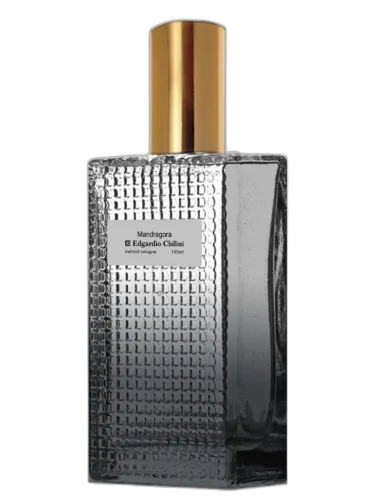
Edgardio Chilini
Mandragora Edgardio Chilini
Shared top notes: sicilian mandarin
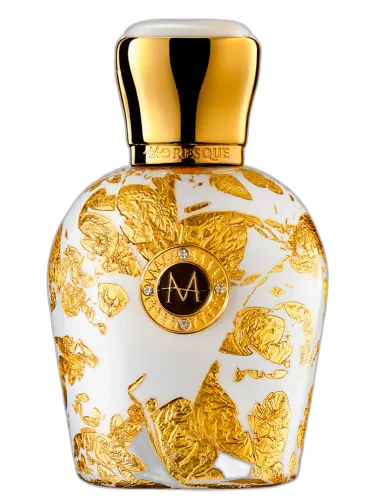
Moresque
Regina Moresque
Shared heart notes: carnation, cinnamon
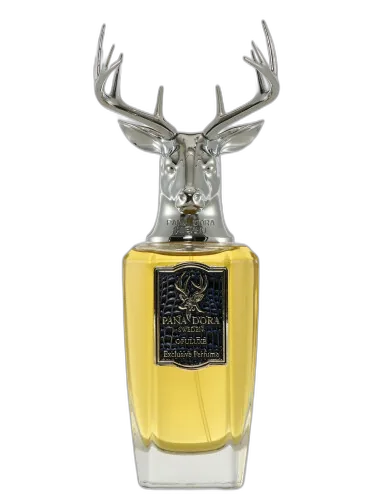
Pana Dora
Opuluxe Pana Dora
Shared top notes: brazilian rosewood, coriander
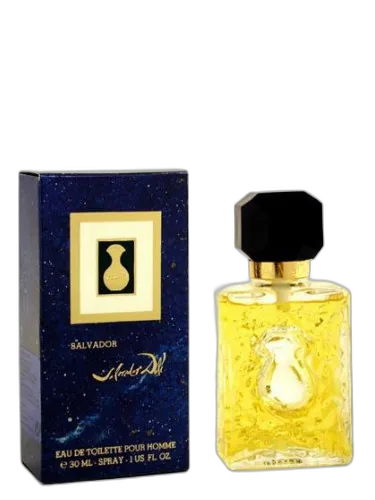
Salvador Dali
Salvador By Salvador Dali (1992) Salvador Dali
Shared top notes: coriander
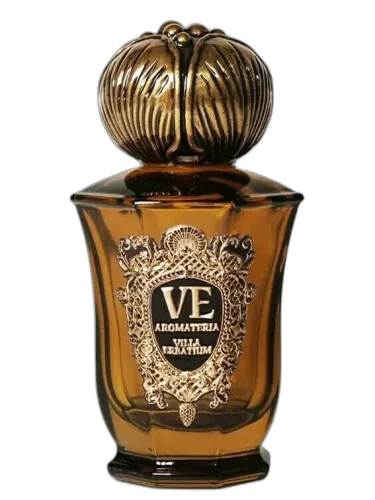
Villa Erbatium
Alchemist Villa Erbatium
Shared heart notes: cinnamon