
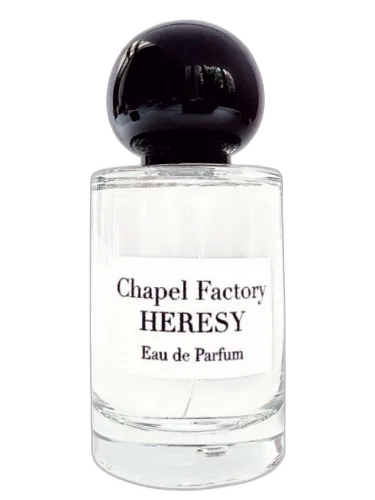
Heresy Chapel Factory
At a glance
Is Heresy Chapel Factory worth trying?
Heresy by Chapel Factory is a Woody fragrance for women and men.
- Best match
- Evening wear in Fall
- Performance feel
- Very Good longevity with Strong sillage
- Signature profile
- woody, warm spicy, smoky with Incense, Black Pepper, Violet Leaf
The first impression
Heresy by Chapel Factory is a Woody fragrance for women and men. Heresy was launched in 2020. The nose behind this fragrance is Anais Biguine. Top notes are Incense and Black Pepper; middle notes are Violet Leaf, Sandalwood and Cedar; base notes are Guaiac Wood, Vetiver and Patchouli.
What shapes the scent
The perfumer behind it

Anais Biguine
Anais Biguine is a French perfumer known for her work with independent niche houses such as Chapel Factory, Gri Gri Parfums, and Jardins d’Ecrivains. Her style often blends raw, smoky, or incense-like accords with unexpected gourmand or floral touches, as seen in creations like Chapel Factory’s Baptisma and Gri Gri Parfums’ Moko Maori. She is recognized for crafting evocative, narrative-driven scents that balance darkness with subtle sweetness.
Notes pyramid
Top Notes
First impression · 15-30 min
 Incense
 Black Pepper
Heart Notes
Core character · 2-4 hours
 Violet Leaf
 Sandalwood
 Cedar
Cedar
Base Notes
Lasting impression · 4+ hours
 Guaiac Wood
 Vetiver
 Patchouli
The mood it creates
The Iconoclast Archetype: Portrait of Heresy Chapel Factory
Essence
To wear Heresy by Chapel Factory is to embrace contradiction-smoke and incense, fire and ash, rebellion and reverence. This is not a fragrance for the complacent or the orthodox. It is for those who walk the edge of belief, who find beauty in the ruins of dogma, and who refuse to kneel before the idols of convention.
The dominant archetype here is the Iconoclast, a figure who dismantles sacred structures not out of nihilism, but out of a deeper, almost devotional need for truth. This is not mere rebellion for rebellion’s sake-it is a sacred defiance, a refusal to accept inherited truths without scrutiny. The Iconoclast is a destroyer, yes, but also a creator, for every shattered illusion makes space for something new.
Style & Aesthetic
Their appearance is a carefully curated contradiction. They might wear a tailored coat over a frayed shirt, or a delicate antique ring on a hand marked with ink stains. Their style is deliberately ambiguous-neither fully vintage nor modern, neither entirely refined nor undone. They favor textures that tell a story: worn leather, heavy wool, the faint metallic glint of oxidized silver.
Their living space reflects the same tension-perhaps an old apothecary cabinet filled with obscure books, a skull on the desk next to a vase of fresh flowers, a record player spinning sacred chants or industrial noise, depending on the hour.
Philosophy & Values
This person does not believe in easy answers. They are drawn to paradox, to the tension between the sacred and the profane. Their philosophy is one of radical authenticity-they would rather be hated for who they are than loved for a lie. They despise hypocrisy, especially in institutions that claim moral authority. Organized religion, political dogma, even the unspoken rules of social etiquette-all are suspect, all must be questioned.
Yet, beneath their skepticism lies an almost mystical longing. They do not reject the divine; they reject the human distortions of it. Their spirituality, if they admit to having one, is personal, experiential, untamed. They may find transcendence in the flicker of a candle, the hum of an old church organ, or the silence of an empty street at dawn.
Relationships
They do not suffer fools, but they are fiercely loyal to those who earn their respect. Their friendships are intense, often intellectual, built on shared curiosity rather than mere convenience. They are drawn to people who challenge them, who refuse to be placated by platitudes.
Romantically, they are magnetic but difficult. They crave depth, but their relentless honesty can be unsettling. They do not play games-if they love, they love fiercely; if they grow disenchanted, they leave without apology. Their partners must accept that they will never be tamed, never fully possessed.
Shadow
Every archetype has its shadow, and the Iconoclast is no exception. Their strength-their refusal to accept falsehood-can harden into rigidity, a dogmatic skepticism that dismisses all tradition as foolish. They may become so enamored with their role as the outsider that they reject anything resembling consensus, even when it holds wisdom.
Their disdain for hypocrisy can curdle into cynicism, a reflexive distrust that poisons their ability to hope. They may isolate themselves, mistaking solitude for strength, forgetting that even the heretic needs communion.
Conclusion
To love Heresy is to embrace the fire that both destroys and illuminates. This person is not merely a contrarian-they are a seeker, one who understands that truth is not found in safety, but in the scorching clarity of doubt. They walk the line between reverence and rebellion, knowing that to truly believe in something, one must first be willing to burn it down.
Their life is not an easy one, but it is never dull. And in the end, perhaps that is the only heresy that matters.
If you like this, try these
Fragrances with a comparable profile - shared accords, notes, and character.

Avril
Coeur De Bois Avril
Shared top notes: black pepper, incense
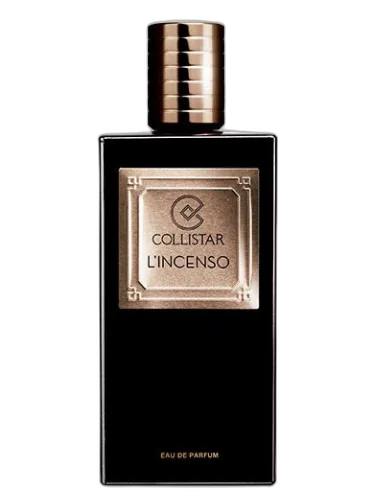
Collistar
L'incenso Collistar
Shared top notes: black pepper
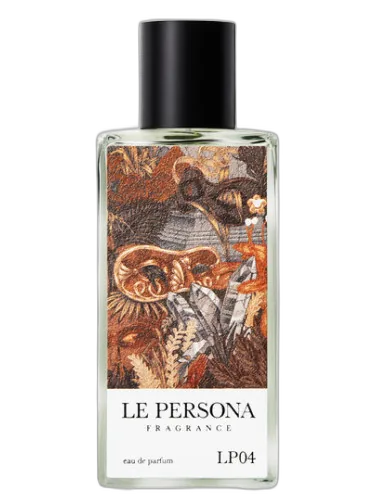
Le Persona
Lp04 Golden Gem Le Persona
Shared heart notes: cedar
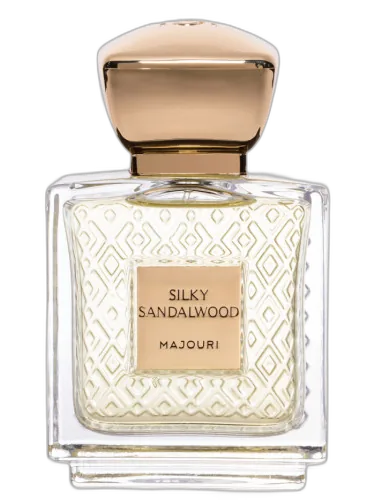
Majouri
Silky Sandalwood Majouri
Shared top notes: incense
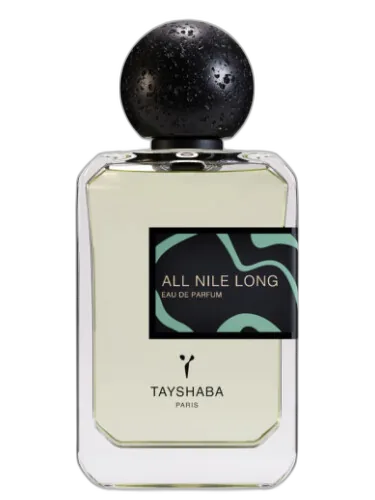
Tayshaba
All Nile Long Tayshaba
Shared top notes: black pepper, incense