
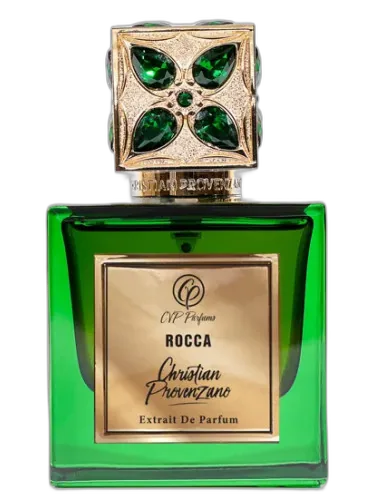

Rocca Extrait De Parfum Christian Provenzano Parfums
At a glance
Is Rocca Extrait De Parfum Christian Provenzano Parfums worth trying?
Rocca Extrait De Parfum by Christian Provenzano Parfums is a fragrance for women and men.
- Best match
- Evening, Special Occasion wear in Fall, Winter
- Performance feel
- Very Good longevity with Strong sillage
- Signature profile
- amber, sweet, fruity with Raspberry, Saffron, Orange
The first impression
Rocca Extrait De Parfum by Christian Provenzano Parfums is a fragrance for women and men. This is a new fragrance. Rocca Extrait De Parfum was launched in 2023. The nose behind this fragrance is Christian Provenzano. Top notes are Raspberry, Saffron and Orange; middle notes are Caramel, Rose de Mai and Peony; base notes are Amber, Musk, Moss and Vanilla.
What shapes the scent
The perfumer behind it

Christian Provenzano
Christian Provenzano is a perfumer who has contributed to several Agent Provocateur fragrances, including the original Agent Provocateur, Maitresse, and Ménage À Trois. He also created Ambra Guaiac for Alysonoldoini and Diamond Dust Edition for Agent Provocateur. His work often features bold, sensual accords.
Notes pyramid
Top Notes
First impression · 15-30 min
 Raspberry
 Saffron
 Orange
Heart Notes
Core character · 2-4 hours
 Caramel
 Rose de Mai
 Peony
Peony
Base Notes
Lasting impression · 4+ hours
 Amber
Amber
 Musk
Moss
Musk
Moss
 Vanilla
The mood it creates
The Lover Archetype: Portrait of Rocca Extrait De Parfum Christian Provenzano Parfums
Essence
The person who gravitates toward Rocca Extrait De Parfum by Christian Provenzano is an Alchemist-a seeker of transformation, depth, and hidden meaning. This fragrance, with its rich, resinous, and slightly mysterious composition, mirrors their inner world: complex, refined, and unafraid of intensity. They are not content with the superficial; they crave the layered, the rare, the things that demand patience to be understood.
Like the alchemists of old, they believe in the transmutation of the ordinary into the extraordinary. Their life is an ongoing experiment-a pursuit of beauty, wisdom, and self-mastery. Yet, as with all archetypes, the shadow lurks beneath: a tendency toward obsession, a reluctance to accept imperfection, and at times, an aloofness that keeps others at arm’s length.
Relationships
They do not collect acquaintances. Their relationships are few but profound, built on mutual recognition rather than convenience. To be loved by them is to be studied-they observe, analyze, and cherish the nuances of those they let in. Their partner, if they have one, must be equally comfortable in silence and in debate, able to match their intellectual curiosity without needing constant reassurance.
Yet, their intensity can be isolating. They expect others to meet them at their level, and when they don’t, disillusionment sets in. Their shadow whispers that most people are disappointingly shallow, and this belief can become a self-fulfilling prophecy. They may withdraw into solitude, mistaking their own high standards for superiority.
Shadow
Their greatest strength-their relentless pursuit of meaning-can also be their undoing. When unbalanced, they become the Hermit, retreating too far into their own mind. They may grow cynical, dismissing anything that doesn’t align with their vision of depth. Perfectionism becomes a cage; they reject what is good because it is not flawless.
There is also a danger of becoming the Hoarder-not of objects, but of experiences, knowledge, emotions. They guard their inner world so fiercely that they forget to live in the outer one. The very transformation they seek eludes them because they refuse to engage with the messiness of reality.
Conclusion
Their tastes are deliberate, almost ceremonial. They prefer the weight of aged paper in books, the slow burn of single-malt whiskey, the quiet luxury of materials that age well-leather, wood, dark metals. Their wardrobe is curated, not trendy; they favor timeless cuts, textures that speak rather than shout. They might wear a well-tailored blazer with an intentionally weathered pocket square, suggesting both precision and a disdain for sterility.
Philosophically, they are drawn to paradoxes-the interplay of light and shadow, the beauty in decay, the idea that truth is often found in contradiction. They might quote Heraclitus or Jung in conversation, not to impress, but because these thinkers articulate something they feel instinctively. Their values are rooted in authenticity, but not the performative kind; they despise posturing and have little patience for those who mistake aesthetics for depth.
If you like this, try these
Fragrances with a comparable profile - shared accords, notes, and character.
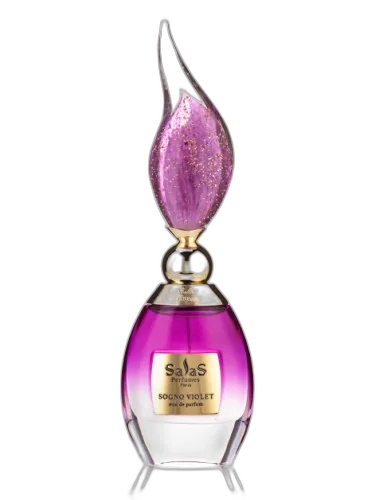
Salas
Sogno Violet Salas
Shared top notes: raspberry, saffron
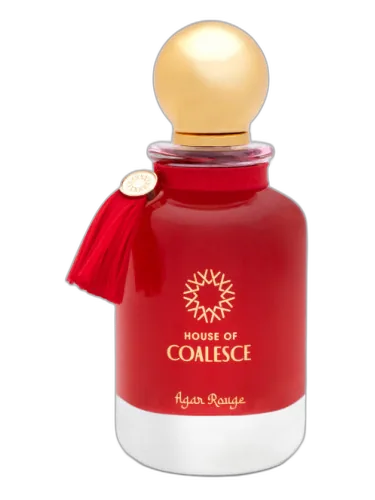
House of Coalesce
Agar Rouge House Of Coalesce
Shared top notes: orange, saffron
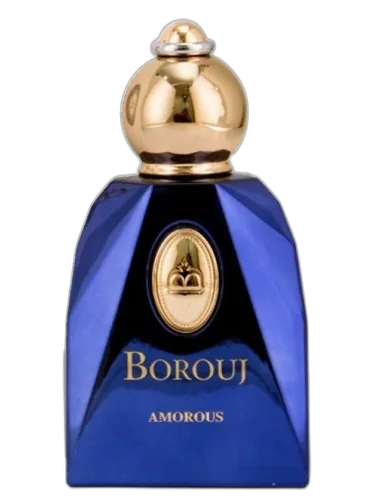
Borouj
Amorous Borouj
Shared base notes: amber, moss, musk

Bath & Body Works
Blackberry Amber Bath & Body Works
Shared top notes: raspberry
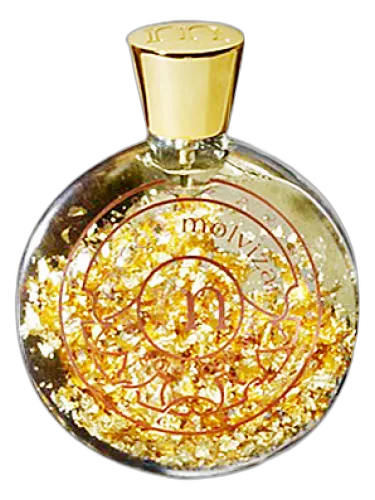
Ramon Molvizar
Art & Gold & Perfume (2016) Ramon Molvizar
Shared top notes: saffron