
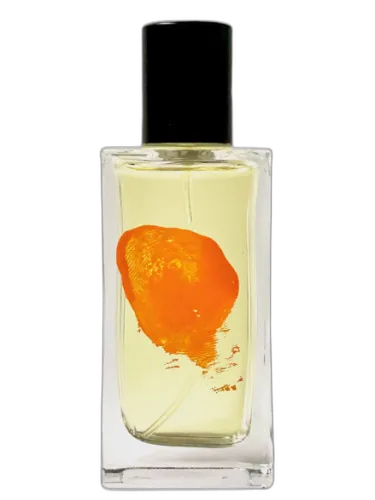

Playalinda Chronotope
At a glance
Is Playalinda Chronotope worth trying?
Playalinda by Chronotope is a Chypre Floral fragrance for women and men.
- Best match
- Evening wear in Fall
- Performance feel
- Good longevity with Moderate sillage
- Signature profile
- fruity, floral, white floral with Osmanthus, Choya Nakh, Peach
The first impression
Playalinda by Chronotope is a Chypre Floral fragrance for women and men. Playalinda was launched in 2020. The nose behind this fragrance is Carter Weeks Maddox.
What shapes the scent
The perfumer behind it

Carter Weeks Maddox
Carter Weeks Maddox is a perfumer known for his work with Chronotope, including scents like Buen Camino Chronotope, Intra Venus Chronotope, and Playalinda Chronotope. He has also created both Eau de Parfum and Eau de Toilette versions of Spite Chronotope. His style often blends natural and synthetic elements in innovative ways.
Notes pyramid
All Notes
Complete scent profile
 Osmanthus
 Choya Nakh
 Peach
Peach
 Jasmine Sambac
 Ambrette (Musk Mallow)
 Indole
Metallic notes
Indole
Metallic notes
 Oakmoss
 Patchouli
 Vetiver
White Grapefruit
Vetiver
White Grapefruit
The mood it creates
The Wanderer Archetype: Portrait of Playalinda Chronotope
Essence
The one who chooses Playalinda Chronotope as their signature scent is not merely drawn to fragrance-they are drawn to the essence of time itself. This is a person who lives in the liminal spaces, the in-between moments where past, present, and future blur into a singular experience. Their dominant archetype is The Eternal Seeker, a soul forever in pursuit of meaning, depth, and transformation. Like Odysseus or Nietzsche’s Zarathustra, they are not content with static truths; they thrive in the journey, the unfolding, the becoming.
Style & Aesthetic
Their wardrobe is an extension of their scent-layered, textured, impossible to pin down. They favor vintage leather jackets, raw silk, or linen that wrinkles with lived-in grace. Their aesthetic is neither minimalist nor maximalist but alchemical-transforming the ordinary into the evocative. They might wear a single silver ring, tarnished with time, or a scarf dyed in indigo, as if carrying the sea with them.
Yet their love of the unconventional can tip into affectation. They may cultivate an image so deliberately enigmatic that it becomes a mask, obscuring rather than revealing.
They may live in a loft filled with books, records, and curios from distant travels-or they may own almost nothing, preferring the lightness of constant motion. Their career is rarely conventional; they are the writers, the photographers, the philosophers who work in bursts of inspiration rather than routines. They thrive in cities like Berlin, Lisbon, or Kyoto-places where history and modernity collide.
Yet their resistance to structure can leave them adrift. Without discipline, their brilliance remains scattered, their potential unfulfilled. The Seeker must learn that not all roots are cages-some are anchors, allowing growth rather than stifling it.
Philosophy & Values
For them, life is not a series of destinations but a continuous unfolding. They are drawn to philosophy, mysticism, and art-anything that hints at the transcendent. They may quote Heraclitus ("No man steps in the same river twice") or lose themselves in Borges’ labyrinths, where time bends and echoes. Their values are fluid, shaped by curiosity rather than dogma. They believe in reinvention, in the alchemy of experience.
Yet this very fluidity can be their undoing. The Seeker risks becoming unmoored, chasing epiphanies without ever grounding them in action. They may disdain convention to the point of self-sabotage, mistaking restlessness for enlightenment.
Relationships
They draw people in with their depth, their ability to make others feel seen in ways they never have been. Their lovers and friends are often artists, thinkers, or fellow wanderers-those who understand that love, like time, is not linear. They speak in riddles, in half-finished sentences heavy with implication.
But intimacy is their paradox. They crave connection yet fear stagnation, so they leave before they can be left. Their relationships are often intense but ephemeral, like a fragrance that lingers only briefly before dissolving into memory.
Shadow
Beneath their poetic exterior lies a fear-the terror of being ordinary, of becoming stagnant. When disillusioned, they may flee into excess, losing themselves in sensory indulgence or intellectual detachment. They might romanticize melancholy, mistaking it for depth. Their greatest challenge is to reconcile their hunger for the infinite with the necessity of the finite-to find meaning not just in the search, but in the standing still.
Conclusion
Playalinda Chronotope is their elixir because it mirrors their soul-complex, evolving, impossible to categorize. They are the ones who stand at the edge of the world, inhaling the scent of time, knowing they will never grasp it fully-and loving the mystery all the more for it.
They are not here to arrive. They are here to wander.
If you like this, try these
Fragrances with a comparable profile - shared accords, notes, and character.
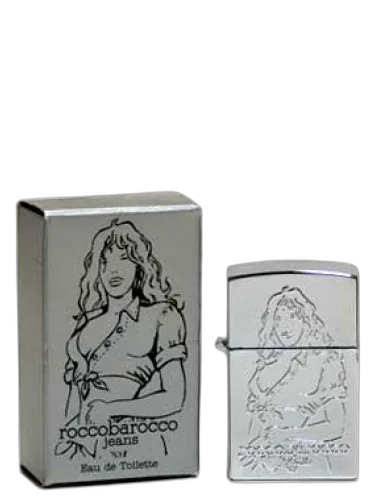
Roccobarocco
Silver Jeans Roccobarocco
Shared top notes: peach
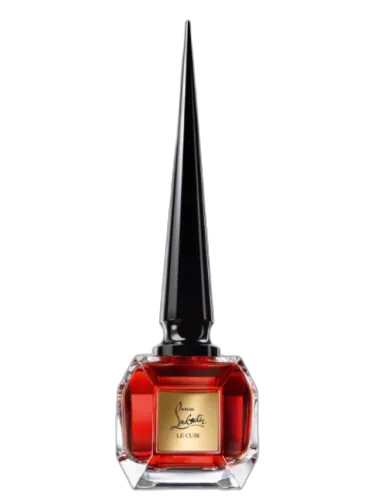
Christian Louboutin
Fétiche Le Cuir Christian Louboutin
Shared top notes: osmanthus

Montana
Suggestion Eau D'argent 2016 Montana
Shared accords: floral, fruity, lactonic

Illuminum
Hindi Oud Illuminum
Shared top notes: osmanthus
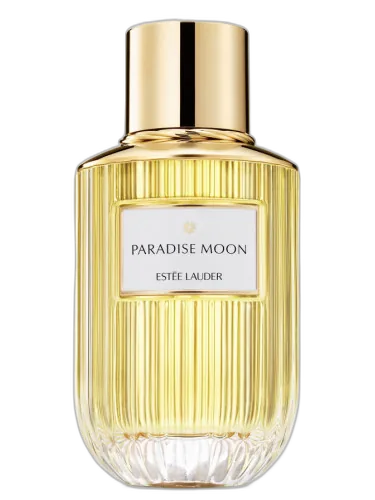
Estée Lauder
Paradise Moon Estée Lauder
Shared top notes: osmanthus