


Spite Eau De Parfum Chronotope
At a glance
Is Spite Eau De Parfum Chronotope worth trying?
Spite Eau de Parfum by Chronotope is a fragrance for women and men.
- Best match
- Evening wear in Fall
- Performance feel
- Good longevity with Moderate sillage
- Signature profile
- green, floral, warm spicy with Galbanum, Rose Thorn, Rose
The first impression
Spite Eau de Parfum by Chronotope is a fragrance for women and men. Spite Eau de Parfum was launched in 2021. The nose behind this fragrance is Carter Weeks Maddox.
What shapes the scent
The perfumer behind it

Carter Weeks Maddox
Carter Weeks Maddox is a perfumer known for his work with Chronotope, including scents like Buen Camino Chronotope, Intra Venus Chronotope, and Playalinda Chronotope. He has also created both Eau de Parfum and Eau de Toilette versions of Spite Chronotope. His style often blends natural and synthetic elements in innovative ways.
Notes pyramid
All Notes
Complete scent profile
 Galbanum
 Rose Thorn
 Rose
Rose
 Carnation
 Chili Pepper
 Pimento Seeds
 Chrysanthemum
 Nasturtium
 Guava blossom
 Jasmine
 Peony
Peony
 Lavender
Nard Himalayan (Jatamansi)
Lavender
Nard Himalayan (Jatamansi)
 Orange Blossom
 Vetiver
 Tuberose
 Thyme
Thyme
 Sandalwood
The mood it creates
The Archetype Archetype: Portrait of Spite Eau De Parfum Chronotope
Essence
This person is defined by the Rebel archetype, a force of defiance and transformation. They reject conformity not out of mere contrarianism, but from a deep-seated belief that societal structures are illusions to be dismantled. Their choice of Spite as a fragrance is no accident-it is a declaration, a scent that lingers like an unspoken challenge. The Rebel thrives on disruption, yet beneath the defiance lies a yearning for authenticity, a refusal to be molded by external expectations.
Style & Aesthetic
Their appearance is a carefully curated act of defiance. They favor dark, asymmetrical silhouettes, garments that suggest both elegance and menace. Leather, sharp lines, and metallic accents dominate their wardrobe-each piece chosen to unsettle as much as to impress.
Their fragrance, Spite, mirrors this duality: a blend of bitter citrus, smoky woods, and an undercurrent of something almost animalistic. It is not a scent meant to seduce but to assert presence, to announce that they are not here to be agreeable.
They thrive in environments that others find chaotic-dimly lit bars where debates turn heated, underground art spaces where norms are questioned. Their home is a sanctuary of controlled disorder: shelves lined with philosophy, radical literature, and records that range from abrasive industrial noise to melancholic classical pieces.
They are nocturnal by nature, most alive when the world sleeps. Their creativity flourishes in solitude, though they occasionally seek out kindred spirits for late-night conversations that blur the line between debate and confession.
Philosophy & Values
Their worldview is shaped by a Nietzschean skepticism toward morality as a construct of the weak. They see rules as chains, traditions as prisons, and politeness as a mask for cowardice. Yet their rebellion is not nihilistic-it is a fierce affirmation of self-sovereignty. They believe in radical honesty, even when it wounds, and in personal freedom, even when it isolates.
They value intensity over comfort, preferring the raw edges of experience to the dull safety of convention. Their moral code is self-authored: they despise hypocrisy but respect those who act with conviction, even if their actions are destructive. Their greatest fear? Becoming what they once despised-compliant, predictable, domesticated.
Relationships
They do not seek companionship for its own sake-only those who match their intensity earn their respect. Their friendships are few but fiercely loyal, built on mutual disdain for mediocrity. Romantic partners must be their equals in independence; they despise clinginess but crave intellectual sparring.
Yet their shadow looms here: their refusal to compromise can make them isolated, mistaking solitude for strength. They may push away those who care, dismissing vulnerability as weakness. Their sharp tongue leaves wounds they rarely apologize for, believing truth should never be softened.
Shadow
Every Rebel risks becoming what they fight against. Their disdain for authority can curdle into a need to dominate, replacing one hierarchy with another. Their insistence on authenticity may become dogmatic, turning them into an unforgiving judge of others’ compromises.
At their worst, they mistake cruelty for honesty, isolation for superiority. They may grow bitter, resenting a world that refuses to bend to their will, unaware that their rebellion has calcified into a new kind of prison.
Conclusion
This is a person who wears Spite not as a mere fragrance, but as armor and manifesto. They are a storm contained in human form-beautiful, dangerous, and impossible to ignore. Their greatest strength is their refusal to be tamed; their greatest weakness, the belief that they must stand alone to remain free.
Yet in their defiance, there is something noble: a refusal to kneel, a life lived on their own terms. Whether this makes them a tragic figure or a triumphant one depends on the angle of observation-and they would prefer it that way.
If you like this, try these
Fragrances with a comparable profile - shared accords, notes, and character.
Новая Заря (The New Dawn)
Очарование (charm) Новая Заря (the New Dawn)
Shared top notes: carnation, jasmine
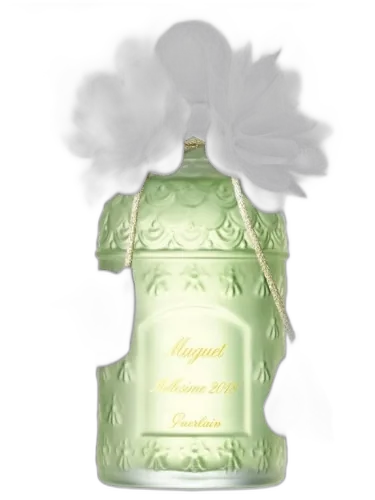
Guerlain
Muguet Millésime 2018 Guerlain
Shared top notes: jasmine, rose

Illuminum
Rose Oud Illuminum
Shared top notes: jasmine
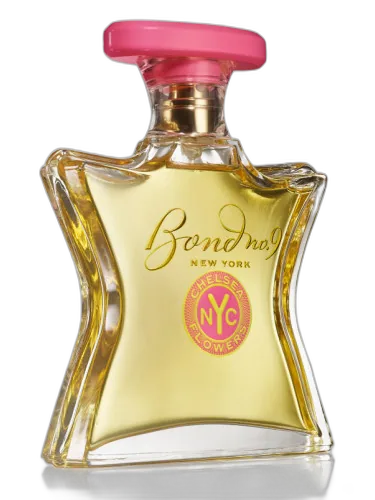
Bond No 9
Chelsea Flowers Bond No 9
Shared top notes: peony, rose, sandalwood

Jean Patou
Cocktail Dry Jean Patou
Shared top notes: jasmine, lavender, rose