
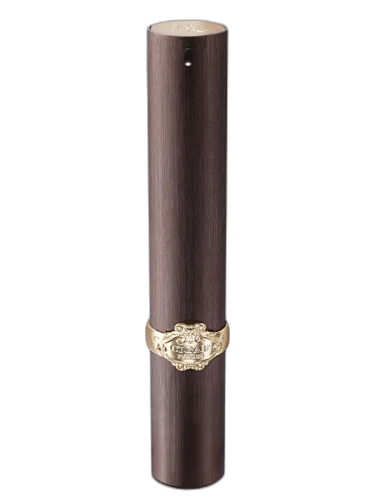

Essence De Bois Precieux Cigar
At a glance
Is Essence De Bois Precieux Cigar worth trying?
Essence de Bois Precieux by Cigar is a Oriental Woody fragrance for men.
- Best match
- Evening wear in Fall
- Performance feel
- Very Good longevity with Strong sillage
- Signature profile
- warm spicy, woody, vanilla with Cinnamon, Saffron, Cardamom
The first impression
Essence de Bois Precieux by Cigar is a Oriental Woody fragrance for men. Essence de Bois Precieux was launched in 2014. Top notes are Cinnamon, Saffron, Cardamom, Incense, Oregano and Nutmeg; middle notes are Cashmere Wood and Papyrus; base notes are Bourbon Vanilla, Sandalwood, Patchouli, Cedar, Ambergris and Musk.
What shapes the scent
The perfumer behind it

Unknown Perfumer
Notes pyramid
Top Notes
First impression · 15-30 min
 Cinnamon
 Saffron
 Cardamom
 Incense
 Oregano
 Nutmeg
Heart Notes
Core character · 2-4 hours
 Cashmere Wood
 Papyrus
Base Notes
Lasting impression · 4+ hours
Bourbon Vanilla
 Sandalwood
 Patchouli
 Cedar
Cedar
 Ambergris
 Musk
Musk
The mood it creates
The Sage Archetype: Portrait of Essence De Bois Precieux Cigar
Essence
This person is defined by the Sage archetype, the seeker of wisdom, the connoisseur of depth. They are drawn to the rich, smoky, leather-tinged warmth of Essence De Bois Precieux Cigar-a fragrance that evokes libraries lined with leather-bound tomes, dimly lit lounges where conversations stretch into the night, and the quiet confidence of a mind that has wrestled with life’s complexities. The Sage does not merely exist; they observe, analyze, and distill experience into understanding. Yet, like all archetypes, they carry a shadow-the risk of detachment, of becoming so enamored with thought that they forget to live.
Style & Aesthetic
Their tastes are deliberate, never frivolous. They prefer dark woods, aged whiskey, and the weight of a well-bound book in their hands. Their wardrobe leans toward tailored but lived-in elegance-cashmere sweaters with faint traces of pipe smoke, leather shoes that have walked through both cobblestone streets and private libraries. They do not chase trends; they curate.
When they speak of art, it is Caravaggio’s chiaroscuro or Borges’ labyrinths that captivate them-works that demand contemplation. Music is either jazz with a slow, smoky cadence or classical compositions with layered complexity. They do not seek entertainment; they seek resonance.
Their home is a sanctuary of contemplation-a place where time moves differently. Perhaps a study with a heavy oak desk, a globe from another century, and a decanter of something aged. They may work in academia, law, or some other field where knowledge is power, but they are just as likely to be self-taught, having carved their own path outside institutions.
They travel not for escapism but for immersion, seeking cities with history, landscapes with stories. A trip to Havana or Prague is not about relaxation but about absorbing the weight of time.
Philosophy & Values
They believe that truth is often uncomfortable, and they have little patience for platitudes. Their philosophy is not one of blind optimism but of measured realism, shaped by years of observing human nature. They value intellectual honesty above social harmony, which can make them seem aloof or even harsh.
Yet, beneath the skepticism lies a deep respect for authenticity. They despise pretension but admire genuine passion, whether in a scholar, an artist, or a craftsman. Their moral code is self-defined-they answer to their own conscience, not external approval.
Relationships
They are not the type to have many friends, but the ones they keep are lifelong. Their relationships are built on shared depth-conversations that last until dawn, debates that sharpen the mind, and silences that are never awkward but rich with understanding.
Romantically, they are drawn to partners who challenge them, who refuse to be mere admirers. Their love is not effusive but steady, like the ember of a cigar that burns slow and long. They struggle with vulnerability, often retreating into analysis when emotions run high.
Shadow
The Sage’s greatest flaw is emotional distance. They can become so engrossed in thought that they forget to feel, to connect in ways that are not intellectual. Their sharp mind can turn into a blade, dissecting people rather than understanding them.
There is also a tendency toward cynicism, a belief that they have seen enough to know how things end. This can make them resistant to change, even when it is necessary. At their worst, they become isolated in their own wisdom, mistaking solitude for superiority.
Conclusion
When the Sage integrates their shadow, they become not just a thinker but a guide. Their insights, once kept private, are shared with those who seek them. Their love of depth becomes a gift rather than a barrier. The smoke of their cigar is no longer a shield but an invitation-a signal that here, in this quiet corner of the world, one may find both truth and kinship.
They are not perfect, nor do they wish to be. But in their flaws and their strengths, they embody the rare alchemy of intellect and soul-a person who knows that the finest fragrances, like the finest lives, are those that linger long after the moment has passed.
If you like this, try these
Fragrances with a comparable profile - shared accords, notes, and character.
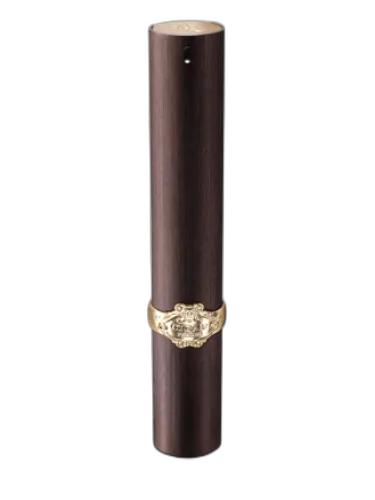
Rémy Latour
Cigar Essence De Bois Precieux Rémy Latour
Shared top notes: cinnamon, nutmeg, oregano
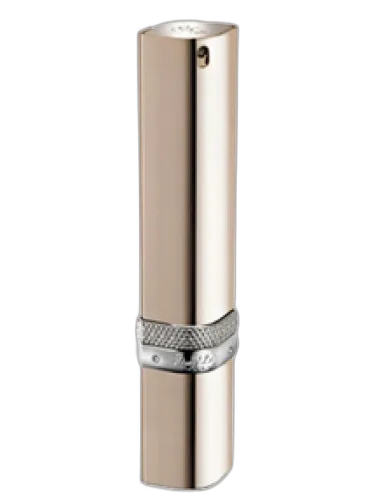
Rémy Latour
Cigar Jasmin De Grasse Rémy Latour
Shared top notes: cardamom, cinnamon, nutmeg
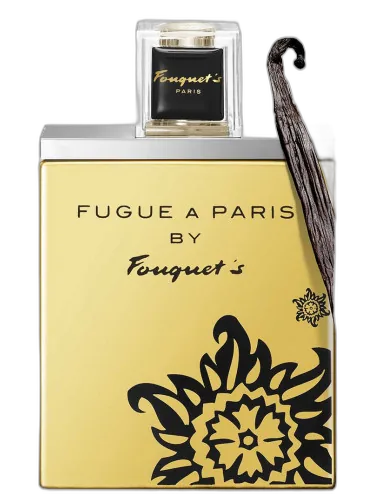
Fouquet's
Fugue A Paris Fouquet's
Shared top notes: cardamom, cinnamon, nutmeg
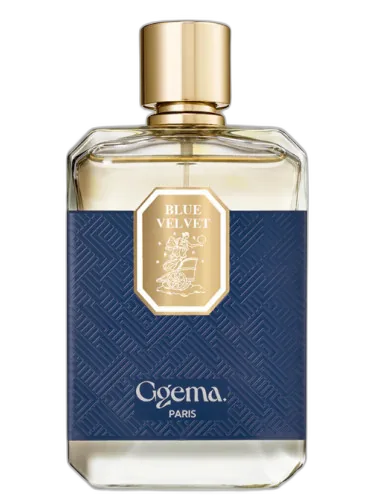
Ggema
Blue Velvet Ggema
Shared top notes: cardamom, cinnamon, nutmeg

hima jomo
Pashm Hima Jomo
Shared top notes: cinnamon, saffron