

Araba Fenice Cigno Nero
At a glance
Is Araba Fenice Cigno Nero worth trying?
Araba Fenice by Cigno Nero is a Aromatic fragrance for women and men.
- Best match
- Casual wear in Spring, Summer
- Performance feel
- Moderate longevity with Moderate sillage
- Signature profile
- fruity, sweet, white floral with Black Currant, Mandarin Orange, Green Apple
The first impression
Araba Fenice by Cigno Nero is a Aromatic fragrance for women and men. Araba Fenice was launched in 2020. The nose behind this fragrance is Arturetto Landi. Top notes are Black Currant, Mandarin Orange, Green Apple, Strawberry, Peach, Plum, Green Leaves, Coconut, Mango, Dew Drop and Bergamot; middle notes are Jasmine, Lily-of-the-Valley, Magnolia, Orchid, Orange Blossom, Heliotrope, Tuberose and Rose; base notes are Ambergris, White Musk, Sugar, Praline, Patchouli, Sandalwood and Cedar.
What shapes the scent
The perfumer behind it

Arturetto Landi
Arturetto Landi is an Italian perfumer known for his work with brands like Adjiumi and Al-Jazeera Perfumes. His style balances classic structure with bold contrasts, often blending rich resins with unexpected floral or gourmand notes. Notable creations include the complex 1918 Parfum National series and the intense, darkly sweet Adjiumi Incubo.
Notes pyramid
Top Notes
First impression · 15-30 min
 Black Currant
 Mandarin Orange
 Green Apple
 Strawberry
 Peach
Peach
 Plum
Green Leaves
Plum
Green Leaves
 Coconut
 Mango
Mango
 Dew Drop
 Bergamot
Heart Notes
Core character · 2-4 hours
 Jasmine
 Lily-of-the-Valley
 Magnolia
 Orchid
 Orange Blossom
 Heliotrope
 Tuberose
 Rose
Rose
Base Notes
Lasting impression · 4+ hours
 Ambergris
White Musk
Ambergris
White Musk
 Sugar
Sugar
 Praline
 Patchouli
 Sandalwood
 Cedar
Cedar
The mood it creates
The Alchemist Archetype: Portrait of Araba Fenice Cigno Nero
Essence
To wear Araba Fenice Cigno Nero is to embrace the paradox of destruction and rebirth-a scent that smolders with dark resins, leather, and smoky woods, yet carries an unexpected elegance, like a phoenix rising from ashes. The person who chooses this fragrance is not merely drawn to its boldness; they embody its essence. They are an Alchemist, one who transmutes suffering into wisdom, chaos into meaning.
This individual thrives in the liminal spaces-between shadow and light, intellect and instinct, past and future. They are not content with superficial pleasures; they seek depth, transformation, and the hidden truths beneath the surface. Their mind is a crucible where experiences are distilled into something greater.
They are drawn to philosophy, mysticism, and the arts, not as passive admirers but as active participants in the act of creation. Their bookshelf holds Nietzsche alongside alchemical texts, their music tastes lean toward the haunting and atmospheric-dark jazz, neoclassical, or post-industrial soundscapes. They dress with deliberate precision, favoring monochrome elegance with a touch of the archaic-structured blazers, tailored leather, perhaps a signet ring with an obscure symbol.
Style & Aesthetic
They move through the world with a quiet intensity. Their home is a sanctuary-dimly lit, filled with artifacts of personal significance: a vintage typewriter, a skull on the desk, a well-worn deck of tarot cards. They prefer cities at night, where the boundary between order and chaos feels thinnest.
Professionally, they are drawn to fields that allow for reinvention-psychology, writing, design, or esoteric trades. They may be an artist who destroys their own work only to rebuild it, or a therapist who guides others through their own transformations.
Philosophy & Values
For the Alchemist, life is an experiment. They believe in self-overcoming, in the necessity of decay for growth. Their guiding principle is not happiness but meaning-they would rather suffer with purpose than float in contentment. They are drawn to those who challenge them, who force them to confront their own contradictions.
They value loyalty, but only to those who prove worthy. Their relationships are deep but few, for they have little patience for triviality. They do not seek approval; they seek resonance. Their love is intense, sometimes possessive, but never without reason-they see love as another form of alchemy, a merging of souls that alters both.
Shadow
Yet, the Alchemist is not without their flaws. Their relentless pursuit of transformation can turn into self-destruction, mistaking pain for wisdom. They may become too enamored with their own darkness, romanticizing melancholy until it becomes a prison.
Their skepticism can harden into cynicism, making them distrust even those who mean well. They may withdraw into isolation, convinced that others cannot understand them. And in their quest for control over their own narrative, they may manipulate situations-or people-to fit their vision, justifying it as part of their "process."
Conclusion
The Alchemist is neither saint nor sinner, but a perpetual seeker. They understand that to live fully, one must first die to the old self-repeatedly. Their love for Cigno Nero is no accident; it mirrors their own journey-dark, complex, and ultimately transcendent.
They are not for everyone. But for those who recognize them, they are unforgettable.
If you like this, try these
Fragrances with a comparable profile - shared accords, notes, and character.
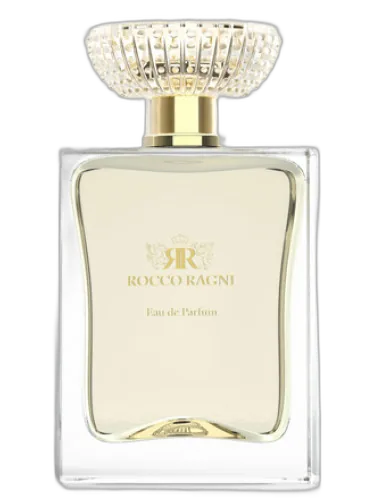
Rocco Ragni
Cashmere Orchid Rocco Ragni
Shared top notes: bergamot, black currant, coconut
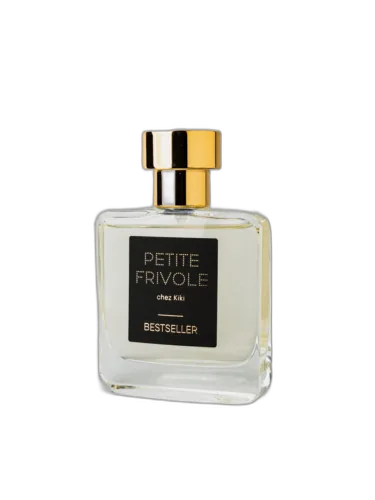
BESTSELLER
Petit Frivole Bestseller
Shared top notes: bergamot, strawberry
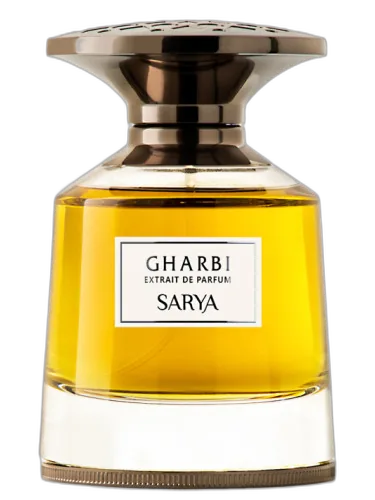
Sarya
Gharbi Sarya
Shared top notes: bergamot, mandarin orange, peach
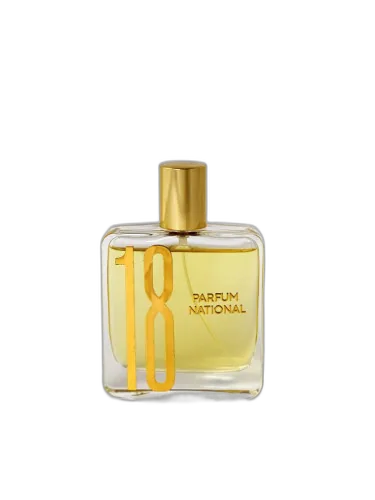
1918 Parfum National
18 Parfum National 1918 Parfum National
Shared top notes: bergamot, black currant, coconut
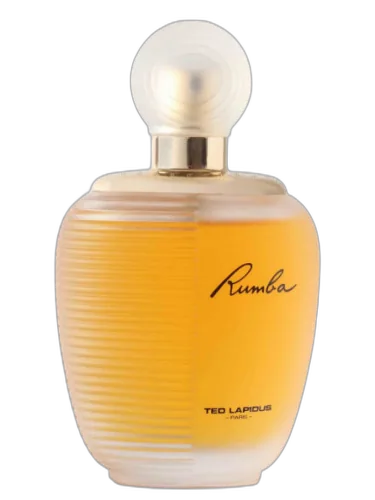
Ted Lapidus
Rumba Ted Lapidus
Shared top notes: bergamot, peach, plum