
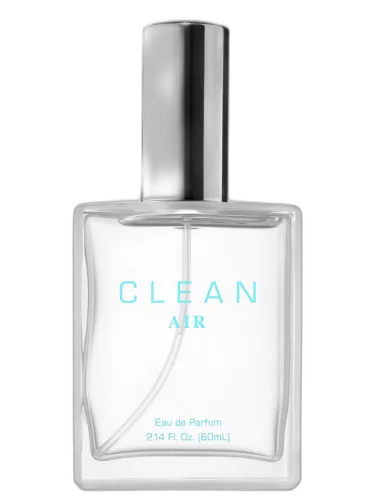

Clean Air Clean
At a glance
Is Clean Air Clean worth trying?
Clean Air by Clean is a Woody Aromatic fragrance for women and men.
- Best match
- Casual wear in Spring
- Performance feel
- Good longevity with Moderate sillage
- Signature profile
- fresh, floral, powdery with Mountain Air, Bergamot Blossom, Green Accord
The first impression
Clean Air by Clean is a Woody Aromatic fragrance for women and men. Clean Air was launched in 2015. The nose behind this fragrance is Ruhi Patil. Top notes are Mountain Air and Bergamot Blossom; middle notes are Green Accord, Freesia and Peony; base notes are Aldehydes, Powdery Notes, Musk, Cashmere Wood and White Amber.
What shapes the scent
The perfumer behind it

Ruhi Patil
Ruhi Patil is a perfumer known for her work with the Clean fragrance brand, where she has contributed to their signature approach of crafting fresh, minimalist scents. Her style emphasizes transparency and airy compositions, often evoking the sensation of pure, crisp air. Clean Air Clean exemplifies her ability to create an olfactory experience that feels both simple and evocative, focusing on clarity and natural freshness.
Notes pyramid
Top Notes
First impression · 15-30 min
 Mountain Air
 Bergamot Blossom
Heart Notes
Core character · 2-4 hours
 Green Accord
 Freesia
 Peony
Peony
Base Notes
Lasting impression · 4+ hours
 Aldehydes
 Powdery Notes
 Musk
Cashmere Wood
White Amber
Musk
Cashmere Wood
White Amber
The mood it creates
The Lover Archetype: Portrait of Clean Air Clean
Essence
The person who gravitates toward Clean Air Clean embodies the Innocent archetype, a soul who seeks simplicity, clarity, and an unspoiled existence. Like a breath of crisp morning air, they crave purity-not just in scent, but in thought, action, and environment. The Innocent is driven by an almost childlike faith in goodness, an aversion to corruption, and a deep longing for harmony. Yet, beneath this pristine surface lies a shadow-a fear of contamination, a resistance to complexity, and sometimes, a refusal to engage with life’s inevitable messiness.
Style & Aesthetic
Their wardrobe mirrors their scent: effortless, fresh, and unadorned. They favor natural fabrics-linen, cotton, cashmere-in soft neutrals or muted tones. Their home is a sanctuary of open space, clean lines, and diffused light. Every object has purpose; nothing is kept out of obligation. They might be drawn to Scandinavian design, Japanese wabi-sabi, or the quiet elegance of monastic simplicity.
But this devotion to minimalism can sometimes border on sterility. Their spaces may lack warmth, their style may feel impersonal-as if they fear that too much personality would taint the purity they cherish.
They thrive in routines that reinforce their sense of order-morning meditation, daily walks in nature, meticulous self-care rituals. They are drawn to wellness culture, not as a trend but as a way of life. Yoga, clean eating, and mindfulness are not hobbies but necessities. They may work in fields that align with their values-environmentalism, holistic health, or creative pursuits that emphasize clarity and precision.
Yet, their need for control can become rigid. They may judge those who don’t share their habits, seeing indulgence as weakness rather than a natural part of being human. Their pursuit of purity can, paradoxically, become an obsession-a form of self-imposed exile from the richness of lived experience.
Philosophy & Values
To them, life should be as uncluttered as the fragrance they wear-free from excess, artifice, and unnecessary weight. They believe in honesty, transparency, and the healing power of simplicity. Their philosophy is one of minimalism, not just in possessions but in emotional baggage. They despise deceit, pretension, and anything that feels forced or unnatural. Their moral compass is unwavering, often leading them to reject cynicism outright, even when skepticism might serve them better.
Yet, this idealism can become a double-edged sword. Their refusal to acknowledge life’s darker shades may leave them unprepared for its harsh realities. They may mistake naivety for virtue, avoiding conflict to the point of passivity. The world, in their eyes, should be scrubbed clean of imperfections-but life is rarely so accommodating.
Relationships
They attract others with their calm presence, their ability to listen without judgment, their aura of serenity. People feel cleaner around them, as if their company is a respite from the chaos of the world. They are loyal, kind, and deeply empathetic-yet they may struggle with intimacy. Emotional messiness frightens them; they prefer relationships that are light, harmonious, and free of drama.
This can make them seem distant, even cold. They may withdraw when faced with conflict, avoiding difficult conversations in favor of maintaining peace. Their partners or friends might long for deeper connection, but the Innocent’s fear of contamination keeps them at arm’s length.
Shadow
The Innocent’s greatest flaw is their fear of corruption. They may reject anything that threatens their sense of order-complex emotions, moral ambiguity, the unavoidable stains of existence. In their quest to remain untouched, they risk becoming detached. Life’s most profound lessons often come from embracing the imperfect, the chaotic, the unresolved. But the Innocent, in their devotion to cleanliness, may miss them entirely.
Conclusion
Clean Air Clean is more than a scent-it is a manifesto. A declaration that the world, at its best, should be light, open, and free of clutter. But the person who wears it must remember: purity is not the absence of darkness, but the courage to walk through it without losing oneself. The true test of their archetype is not in remaining untouched, but in emerging from life’s inevitable stains with grace-still clean, but now wise.
If you like this, try these
Fragrances with a comparable profile - shared accords, notes, and character.

Новая Заря (The New Dawn)
Femmes Fleurs Emotion Новая Заря (the New Dawn)
Shared top notes: mountain air

Lanvin
Jeanne Lanvin Scandal Lanvin
Shared heart notes: freesia, peony

Halloween
Halloween Kiss Sexy Halloween
Shared heart notes: freesia, peony
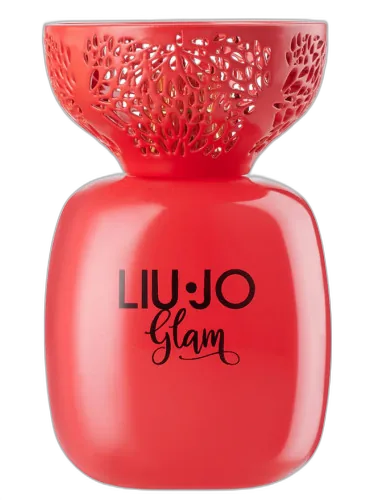
Liu Jo
Liu Jo Glam Liu Jo
Shared heart notes: freesia, peony
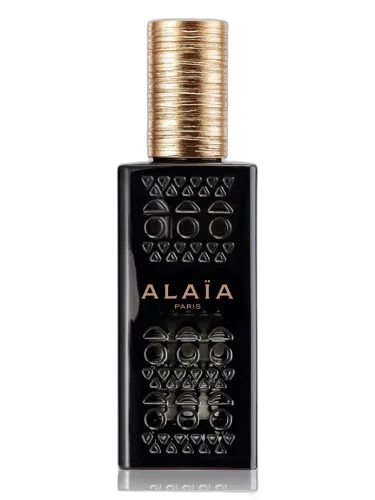
Alaia Paris
Alaïa Alaia Paris
Shared top notes: mountain air