


Viii Rococo Magnolia Clive Christian
At a glance
Is Viii Rococo Magnolia Clive Christian worth trying?
VIII Rococo Magnolia by Clive Christian is a Floral fragrance for women.
- Best match
- Evening wear in Spring
- Performance feel
- Excellent longevity with Strong sillage
- Signature profile
- floral, citrus, warm spicy with Cassis, Mandarin Orange, Bergamot
The first impression
VIII Rococo Magnolia by Clive Christian is a Floral fragrance for women. VIII Rococo Magnolia was launched in 2017. The nose behind this fragrance is Angela Stavrevska. Top notes are Cassis, Mandarin Orange and Bergamot; middle notes are Magnolia, Rose, Cloves and Cinnamon; base notes are Oakmoss and Sandalwood.
What shapes the scent
The perfumer behind it

Angela Stavrevska
Angela Stavrevska is a perfumer known for her work with Clive Christian, where she has crafted several distinctive fragrances. Her style blends bold contrasts, often pairing rich gourmand notes with unexpected elements like sweet clove or dark plum. Notable creations include Chasing The Dragon Euphoric and Hypnotic, as well as L Floral Chypre With Rich Patchouli and Viii Rococo Magnolia.
Notes pyramid
Top Notes
First impression · 15-30 min
Cassis
 Mandarin Orange
 Bergamot
Heart Notes
Core character · 2-4 hours
 Magnolia
 Rose
Rose
 Cloves
 Cinnamon
Base Notes
Lasting impression · 4+ hours
 Oakmoss
 Sandalwood
The mood it creates
The Lover Archetype: Portrait of Viii Rococo Magnolia Clive Christian
Essence
To wear Viii Rococo Magnolia by Clive Christian is to drape oneself in opulence, sensuality, and a touch of theatricality. This fragrance-a blend of creamy magnolia, rich vanilla, and a whisper of spice-is not merely a scent but a declaration. The person who chooses it is, at their core, an embodiment of the Lover archetype, one who seeks beauty, pleasure, and deep emotional resonance in all things.
They are drawn to the extravagant, the romantic, the decadent-yet their love of beauty is not superficial. It is a philosophy, a way of moving through the world with an artist’s eye and a poet’s heart. They believe life should be lived with intensity, that every moment should shimmer with meaning.
Style & Aesthetic
Their tastes are deliberate, curated like a gallery of personal treasures. They surround themselves with objects that evoke emotion-antique velvet chairs, gilded mirrors, a single peony in a crystal vase. Their wardrobe is a study in contrasts: silk blouses paired with structured tailoring, or a vintage brooch pinned to a modern coat. They do not follow trends; they create them.
Their home is a sanctuary of sensory indulgence-soft lighting, the faintest trace of incense, books with gilded spines. They are as likely to host an intimate dinner with hand-painted china as they are to disappear into a hidden jazz club, savoring the night like a rare wine.
Philosophy & Values
For them, beauty is not frivolous-it is a moral imperative. They believe that ugliness, whether in thought or environment, is a kind of violence against the soul. Their philosophy is one of aesthetic hedonism, though they would never use so crude a term. To them, pleasure is not indulgence but elevation.
Yet beneath this devotion to the exquisite lies a deeper yearning: to be seen, to be desired, to be remembered. They fear mediocrity more than failure, invisibility more than rejection. This is their driving force-the need to leave an imprint on the world, however fleeting.
Relationships
In love, they are both muse and artist. They do not merely fall for people; they fall for the way someone’s laughter catches the light, the way a lover’s hands move when they speak. They crave connection that feels fated, electric-something worthy of poetry.
But their shadow emerges here: they can love the idea of love more than the person before them. Their relationships are often intense, dramatic, sometimes unsustainable. They may grow restless when the initial enchantment fades, always chasing the next sublime encounter. Their partners may feel like characters in a story they did not choose to be part of.
Shadow
The Lover’s greatest weakness is their own reflection. They are prone to narcissistic tendencies, not in the petty sense, but in the way they can become lost in their own mythos. They may mistake admiration for understanding, beauty for truth.
And when the world does not mirror their intensity back to them, they falter. A quiet melancholy settles in-the fear that they are merely an observer of beauty, never truly part of it. In these moments, their lavish tastes can become a shield, a way to distract from the gnawing sense of emptiness.
Conclusion
They are not passive. They shape reality around them, bending circumstance to their will when they can. They thrive in creative fields-art, fashion, perfumery-where their instincts for harmony and drama serve them well. But they are not mere aesthetes; they have a sharp mind, though they prefer to wield it with elegance rather than brute force.
Their life is a performance, yes, but one they believe in deeply. And perhaps that is the most Nietzschean truth of them all: they have chosen their role, and in doing so, they have made it real.
If you like this, try these
Fragrances with a comparable profile - shared accords, notes, and character.
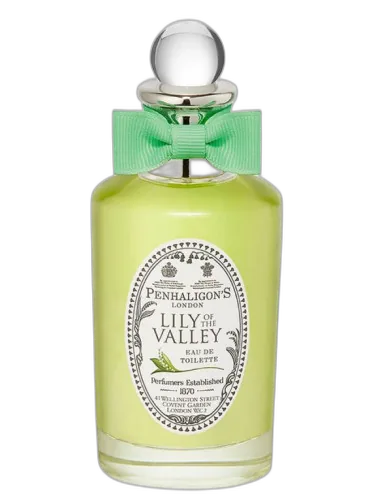
Penhaligon's
Lily Of The Valley Penhaligon's
Shared top notes: bergamot
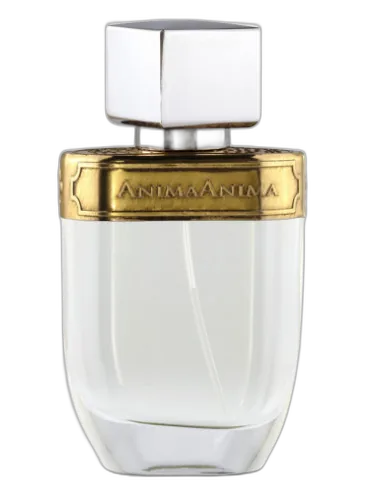
Aulentissima
Animaanima Aulentissima
Shared heart notes: rose
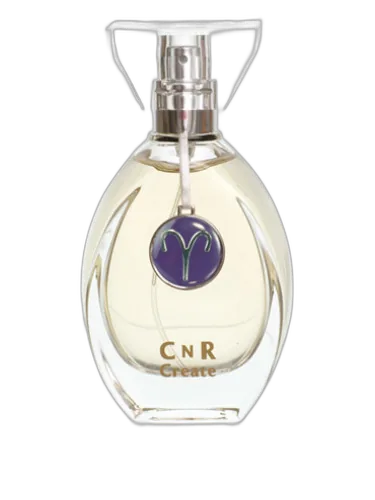
CnR Create
Aries Cnr Create
Shared top notes: bergamot
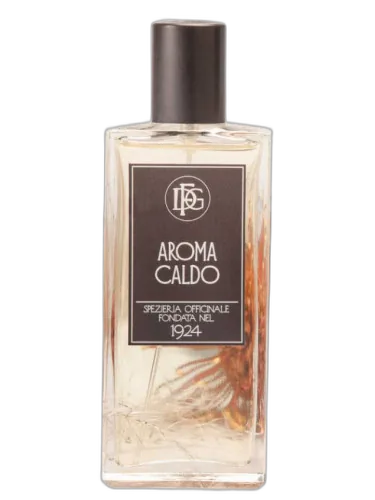
DFG1924
Aroma Caldo Dfg1924
Shared top notes: bergamot
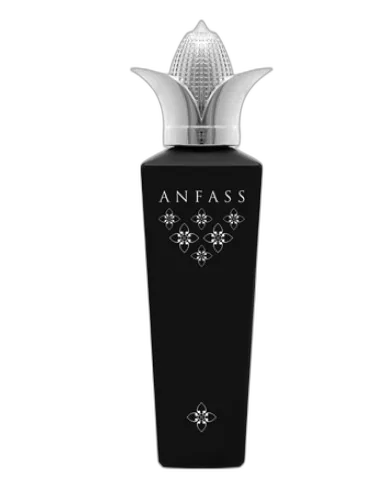
Anfas
Salam 2014 Anfas
Shared top notes: bergamot, mandarin orange