


Comme Des Garcons Series 3 Incense: Avignon Comme Des Garcons
At a glance
Is Comme Des Garcons Series 3 Incense: Avignon Comme Des Garcons worth trying?
Comme des Garcons Series 3 Incense: Avignon by Comme des Garcons is a Oriental Woody fragrance for women and men.
- Best match
- Evening wear in Fall, Winter
- Performance feel
- Good longevity with Strong sillage
- Signature profile
- amber, balsamic, warm spicy with elemi, Chamomile, Aldehydes
The first impression
Comme des Garcons Series 3 Incense: Avignon by Comme des Garcons is a Oriental Woody fragrance for women and men. Comme des Garcons Series 3 Incense: Avignon was launched in 2002. The nose behind this fragrance is Bertrand Duchaufour. Top notes are elemi, Chamomile and Aldehydes; middle notes are French labdanum, Spices and Ambrette (Musk Mallow); base notes are Incense, Myrrh, Olibanum, Virginia Cedar, Brazilian Rosewood, Patchouli, oak moss, Vanilla and Musk.
What shapes the scent
The perfumer behind it

Bertrand Duchaufour
Bertrand Duchaufour is a renowned French perfumer with a prolific career spanning many brands. He has created fragrances for Acqua di Parma, including Blu Mediterraneo - Cipresso Di Toscana and Colonia Assoluta, as well as for Aedes de Venustas, such as Café Tabac and Copal Azur. His style is known for its complexity and use of natural ingredients.
Notes pyramid
Top Notes
First impression · 15-30 min
 elemi
elemi
 Chamomile
 Aldehydes
Heart Notes
Core character · 2-4 hours
French labdanum
Spices
 Ambrette (Musk Mallow)
Base Notes
Lasting impression · 4+ hours
 Incense
 Myrrh
Olibanum
Virginia Cedar
Myrrh
Olibanum
Virginia Cedar
 Brazilian Rosewood
 Patchouli
oak moss
Patchouli
oak moss
 Vanilla
 Musk
Musk
The mood it creates
The Sage Archetype: Portrait of Comme Des Garcons Series 3 Incense: Avignon Comme Des Garcons
Essence
To wear Comme Des Garçons Series 3 Incense: Avignon is to cloak oneself in the scent of sacred solitude-a fragrance of stone cathedrals, hushed prayers, and the quiet intensity of introspection. This is not a perfume for those who seek to be seen; it is for those who seek to see. The person who chooses Avignon is drawn to the profound, the austere, and the enigmatic. They are, in essence, a modern Sage-an archetype defined by wisdom, contemplation, and a relentless pursuit of truth.
Shadow
Yet the Sage is not without their shadows. Their love of solitude can harden into isolation, their wisdom into arrogance. They may dismiss emotions as distractions, treating their own and others’ feelings with clinical detachment. Their pursuit of truth can become rigid, turning them into an unwitting fundamentalist of their own philosophy.
They may struggle with intimacy, preferring the safety of ideas over the messy reality of human connection. Their sharp mind, so adept at dissection, can cut too deeply-leaving others feeling exposed or judged. At their worst, they become the hermit who mistakes withdrawal for enlightenment, forgetting that wisdom untested by life is merely theory.
Conclusion
The Avignon wearer moves through life with the measured grace of a monk in meditation. Their tastes are refined but never ostentatious-they prefer the weight of a well-worn book to the glitter of trend. Their style is minimalist, almost monastic: dark fabrics, clean lines, an absence of clutter. They are drawn to spaces that echo silence-libraries, old churches, dimly lit cafés where the hum of conversation never rises above a murmur.
Philosophy is not an abstract interest for them; it is a way of being. They question relentlessly, not out of cynicism, but from a need to strip away illusion. They value authenticity above all else, and their relationships are few but deep. They do not suffer fools, nor do they waste words. When they speak, it is with precision, as though each sentence has been weighed in the mind before being released into the world.
Their lifestyle is one of deliberate restraint. They may practice meditation, journaling, or long solitary walks-rituals that sharpen their inner vision. They are drawn to art that demands interpretation: Tarkovsky’s films, the poetry of Rilke, the dissonant harmonies of Arvo Pärt. Their intellect is their compass, and they trust it implicitly.
If you like this, try these
Fragrances with a comparable profile - shared accords, notes, and character.

Zirh
Ikon Zirh
Shared heart notes: french labdanum
O'Driu
Vis Et Honor O'driu
Shared top notes: chamomile
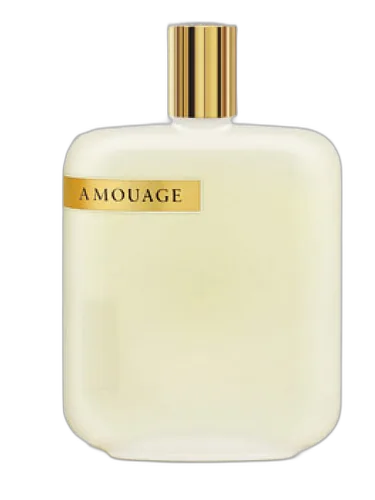
Amouage
The Library Collection Opus Ii Amouage
Shared base notes: incense, musk, patchouli
Neela Vermeire Creations
Trayee Neela Vermeire Creations
Shared top notes: elemi
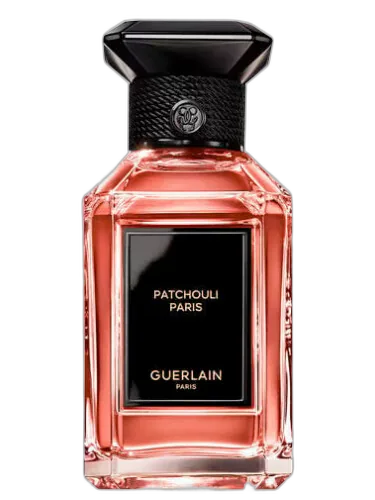
Guerlain
Patchouli Paris Guerlain
Shared top notes: aldehydes