


Gosha Rubchinskiy Гоша Рубчинский Comme Des Garcons
Fragrance Story
Gosha Rubchinskiy Гоша Рубчинский by Comme des Garcons is a Aromatic fragrance for women and men. Gosha Rubchinskiy Гоша Рубчинский was launched in 2016. The nose behind this fragrance is Alexis Dadier. Top notes are Buchu or Agathosma and Angelica; middle notes are Chamomile and Mandarin Orange; base notes are Styrax, Patchouli and Haitian Vetiver.
Composition Profile
About the Perfumer

Alexis Dadier
Alexis Dadier is a French perfumer known for his work with Symrise and major luxury houses like Bottega Veneta, Boucheron, and Chloé. His style balances naturalistic clarity with subtle richness, often highlighting woody, floral, or gourmand notes in refined compositions. He created several fragrances for Bottega Veneta’s Parco Palladiano collection, including the cypress-focused Cipresso and the chestnut-centered Castagno, as well as Chloé’s Chêne and Papyrus.
Fragrance Notes
Top Notes
First impression · 15-30 min
 Buchu or Agathosma
 Angelica
Heart Notes
Core character · 2-4 hours
 Chamomile
 Mandarin Orange
Base Notes
Lasting impression · 4+ hours
 Styrax
 Patchouli
 Haitian Vetiver
Gosha Rubchinskiy Гоша Рубчинский Comme Des Garcons by Comme des Garcons offers a distinctive olfactory experience that stands out from other fragrances in its category.
Crafted with the finest ingredients and a blend of traditional and modern perfumery techniques, this fragrance represents the pinnacle of the perfumer's art.
Gosha Rubchinskiy Гоша Рубчинский Comme Des Garcons embodies the distinctive style of Comme des Garcons while adding a unique chapter to their fragrance portfolio.
Character Profile
The Alchemist Archetype: Portrait of Gosha Rubchinskiy Гоша Рубчинский Comme Des Garcons
Essence
The person who gravitates toward Gosha Rubchinskiy Comme Des Garçons is defined by the Rebel archetype-a figure who dismantles conventions, thrives in liminal spaces, and reshapes reality through defiance. This is not mere adolescent contrarianism, but a deliberate, almost philosophical resistance to the expected. The Rebel does not destroy for destruction’s sake; they dismantle to rebuild on their own terms.
This fragrance-raw, metallic, with hints of industrial smoke and cold urbanity-mirrors their psyche. It is not warm, not inviting, but arresting. It does not ask for approval; it demands attention.
Style & Aesthetic
Their style is a collision of post-Soviet austerity and high-fashion irreverence. Oversized silhouettes, utilitarian fabrics, and a deliberate rejection of polish define their wardrobe. They favor clothes that suggest movement, transition-garments that look lived-in, as if pulled from a thrift store in some forgotten Eastern European city.
They are drawn to the unfinished, the provisional. A frayed hem, a mismatched button, a stain left untouched-these are not oversights but statements. Beauty, to them, is found in the cracks of things.
They move through cities like a ghost-present but untethered. They prefer dimly lit bars, underground clubs, spaces where the air smells of sweat and cigarette smoke. They are nocturnal, not out of hedonism, but because the night offers anonymity, a blank slate.
Their creative output-whether art, music, or writing-is fragmentary, refusing neat resolution. They leave things unfinished, as if to say: Completion is an illusion.
Philosophy & Values
Their worldview is shaped by a deep skepticism of grand narratives. They distrust institutions, whether political, artistic, or social, seeing them as mechanisms of control. Yet they are not nihilistic-they believe in the power of individual defiance.
They value authenticity, but not in the clichéd sense of "being true to oneself." For them, authenticity is a constant act of resistance-against trends, against expectations, against the commodification of identity. They do not seek to belong; they seek to disrupt.
Relationships
Their relationships are intense but transient. They attract people who crave their energy, their refusal to conform, but few can keep pace with their restlessness. They are not cruel, but they are distant-emotionally self-sufficient to the point of seeming detached.
Romantically, they are drawn to those who mirror their own defiance. Passion is brief, electric, and often ends as abruptly as it began. They do not fear loneliness; they fear stagnation.
Shadow
The Rebel’s strength is also their flaw. Their defiance can curdle into cynicism, a reflexive dismissal of anything that smacks of mainstream appeal. What begins as principled resistance can harden into dogma.
Their emotional detachment, once a shield, can become a prison. They risk becoming the very thing they despise: a cliché of alienation, mistaking solitude for depth.
Conclusion
They are not for everyone. They do not wish to be. Their fragrance-cold, sharp, unsettling-is a warning and an invitation. To engage with them is to step into a world where rules are provisional, where meaning is mutable.
They are the urban alchemist, turning the base metal of conformity into something strange and new. Whether this transformation leads to liberation or isolation depends on their ability to balance rebellion with connection-to resist without losing themselves in the act of refusal.
Similar Fragrances
Fragrances with a comparable profile - shared accords, notes, and character.

Amado
Vogue Amado
Shared accords: amber, aromatic, earthy

Subhi Khalilbayov
Money Bag Subhi Khalilbayov
Shared accords: amber, aromatic, earthy

Prissana
Maruyama Prissana
Shared accords: amber, aromatic, camphor
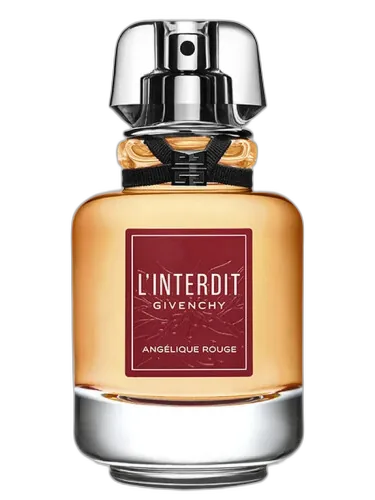
Givenchy
L'interdit Angélique Rouge Givenchy
Shared accords: amber, aromatic, earthy
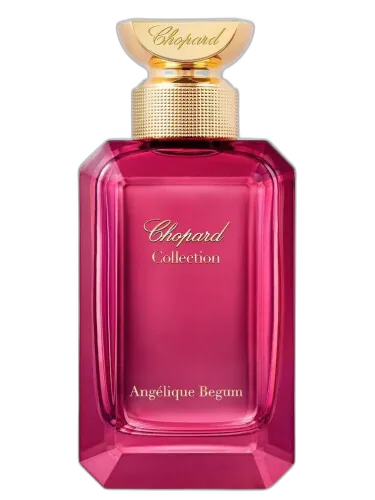
Chopard
Angélique Begum Chopard
Shared accords: amber, aromatic, earthy