
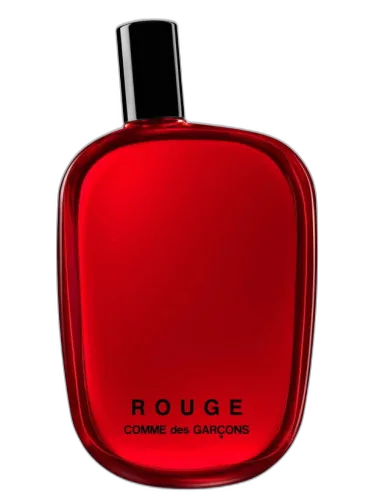

Rouge Comme Des Garcons
At a glance
Is Rouge Comme Des Garcons worth trying?
Rouge by Comme des Garcons is a Oriental Spicy fragrance for women and men.
- Best match
- Evening wear in Fall
- Performance feel
- Good longevity with Moderate sillage
- Signature profile
- amber, smoky, balsamic with Beetroot, Pink Pepper, Ginger
The first impression
Rouge by Comme des Garcons is a Oriental Spicy fragrance for women and men. Rouge was launched in 2020. Top notes are Beetroot and Pink Pepper; middle notes are Ginger and Mint; base notes are Incense, Labdanum and Patchouli.
What shapes the scent
The perfumer behind it

Notes pyramid
Top Notes
First impression · 15-30 min
 Beetroot
 Pink Pepper
Heart Notes
Core character · 2-4 hours
 Ginger
 Mint
Mint
Base Notes
Lasting impression · 4+ hours
 Incense
 Labdanum
 Patchouli
The mood it creates
The Lover Archetype: Portrait of Rouge Comme Des Garcons
Essence
The person who gravitates toward Rouge Comme Des Garçons is not one to be easily defined. Their scent-spicy, leathery, with a hint of metallic rose-betrays a mind that delights in contradictions, in the playful subversion of expectations. They are, at their core, a Trickster, the archetype that dances on the edges of convention, refusing to be pinned down. The Trickster is neither hero nor villain but a shape-shifting force, challenging norms with wit, irony, and a touch of irreverence.
This is not a person who seeks comfort in familiarity. They thrive in the space between categories, where meaning is fluid and identity is a performance. The scent they wear is not an accessory but a statement: I am not what you think I am.
Style & Aesthetic
Their wardrobe is a carefully curated rebellion-structured yet unpredictable, blending vintage tailoring with avant-garde silhouettes. They might wear a sharply cut blazer with a deconstructed hem, or a dress that seems to dissolve at the seams. Their style is not about shock value but about controlled dissonance, a visual echo of their psyche.
They are drawn to designers who dismantle tradition-Rei Kawakubo, Martin Margiela, Yohji Yamamoto-artists who treat fashion as philosophy rather than mere adornment. Their home, too, reflects this tension: minimalist but never sterile, filled with objects that seem to whisper secrets-an antique medical diagram framed beside a neon light sculpture, a Brutalist bookshelf holding well-worn poetry collections.
They move through the world like a rogue philosopher, collecting experiences as others collect possessions. Their career, if they have one in the traditional sense, is likely in a field that rewards reinvention-art, writing, design, or perhaps something more subversive, like underground curation or experimental theater.
They are not reckless, but they are strategically impulsive, knowing exactly when to disrupt routine. A sudden trip to an obscure city, a spontaneous midnight debate, a shift in creative medium-these are the rhythms of their life. They despise the mundane but are too disciplined to descend into chaos.
Philosophy & Values
They do not believe in fixed identities. To them, the self is a mutable thing, shaped by context, mood, and whim. This fluidity is not born of insecurity but of an intellectual defiance against rigid categorization. They reject the notion that one must choose between sincerity and irony, between passion and detachment.
Their values are rooted in curiosity, in the relentless pursuit of what lies beyond the obvious. They despise dogma, whether in politics, art, or personal relationships. Yet, this very refusal to commit can sometimes render them elusive, even to themselves. Their greatest fear is stagnation, the slow death of predictability.
Relationships
They attract others effortlessly-their charm lies in their unpredictability, the way they can shift from razor-sharp wit to disarming vulnerability in a single conversation. But intimacy is a paradox for them. They crave deep connection yet resist the confines of expectation.
Romantic partners often find themselves in a dance of push-and-pull, seduced by their magnetism but frustrated by their refusal to be fully known. They are not cruel-merely too aware of the performative nature of love, too skeptical of its promises. Their closest relationships are with those who understand the game, who do not demand explanations for their shifting moods.
Friends admire their ability to see through facades, to expose hypocrisy with a single raised eyebrow. But some grow weary of their detachment, their tendency to treat even affection as an experiment.
Shadow
For all their brilliance, the Trickster’s greatest weakness is their inability to rest in certainty. Their refusal to settle can become a kind of exile, leaving them perpetually outside, observing but never fully participating. There is a loneliness in their freedom, a hollowness in their endless reinvention.
At their worst, they become the cynic who mocks sincerity, the provocateur who destroys for the sake of destruction. They may grow weary of their own games, yet find themselves trapped in them, unable to stop dismantling what they secretly long to believe in.
Conclusion
The lover of Rouge Comme Des Garçons does not seek answers-they live in the questions. Their scent is a riddle, their life an ongoing experiment in self-invention. They are neither fully light nor shadow, but the flickering space in between.
To know them is to accept that they will never be fully known. And perhaps, for them, that is the point.
If you like this, try these
Fragrances with a comparable profile - shared accords, notes, and character.
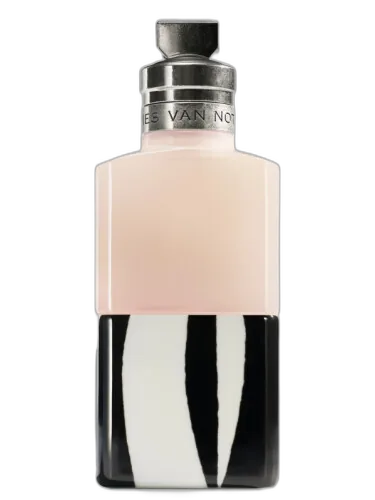
Dries Van Noten
Rosa Carnivora Dries Van Noten
Shared top notes: pink pepper
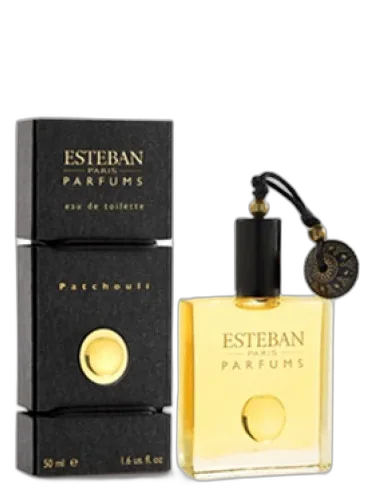
Esteban
Patchouli Esteban
Shared top notes: pink pepper

Tania Bulhões
Segredo Tania Bulhões
Shared top notes: pink pepper

Anna Sui
Thorn Of A Rose Anna Sui
Shared top notes: pink pepper
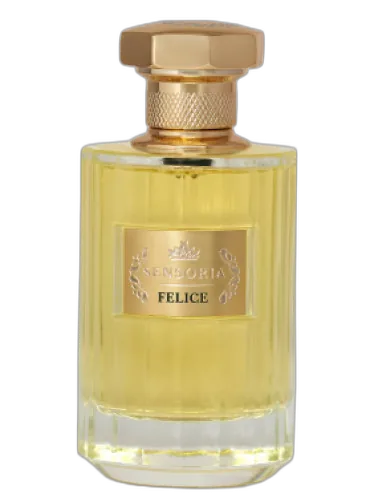
Sensoria
Felice Sensoria
Shared top notes: pink pepper