
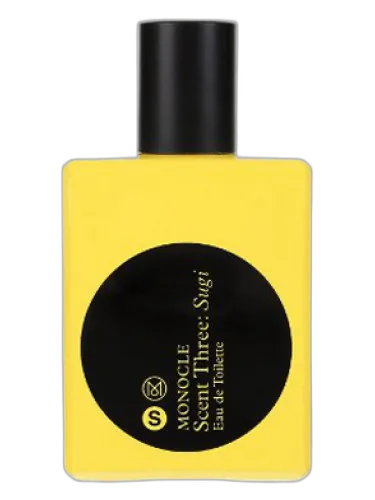

Scent Three: Sugi Comme Des Garcons
At a glance
Is Scent Three: Sugi Comme Des Garcons worth trying?
Scent Three: Sugi by Comme des Garcons is a Woody Aromatic fragrance for women and men.
- Best match
- Casual wear in Spring, Fall
- Performance feel
- Moderate longevity with Moderate sillage
- Signature profile
- woody, aromatic, fresh spicy with Cypress, Madagascar Pepper, Iris
The first impression
Scent Three: Sugi by Comme des Garcons is a Woody Aromatic fragrance for women and men. Scent Three: Sugi was launched in 2013. The nose behind this fragrance is Antoine Maisondieu. Top notes are Cypress and Madagascar Pepper; middle notes are Iris and Virginian Cedar; base notes are Pine Tree and Haitian Vetiver.
What shapes the scent
The perfumer behind it

Antoine Maisondieu
Antoine Maisondieu is a French perfumer and a senior vice president at Givaudan, where he has worked for decades. He is known for creating refined, modern compositions that balance natural elegance with subtle complexity. His work includes the woody, leathery Bottega Veneta Pour Homme and the fresh, floral Acqua di Parma Magnolia Nobile.
Notes pyramid
Top Notes
First impression · 15-30 min
 Cypress
 Madagascar Pepper
Heart Notes
Core character · 2-4 hours
 Iris
Virginian Cedar
Iris
Virginian Cedar
Base Notes
Lasting impression · 4+ hours
 Pine Tree
Haitian Vetiver
Pine Tree
Haitian Vetiver
The mood it creates
The Wanderer Archetype: Portrait of Scent Three: Sugi Comme Des Garcons
Essence
The one who wears Sugi Comme Des Garçons is not merely a lover of fragrance but a seeker of essence. They are most closely aligned with the Sage-the archetype of wisdom, introspection, and the quiet pursuit of truth. The Sage does not shout their knowledge but carries it like the scent of cedar-subtle, enduring, and deeply rooted. They are drawn to the austere elegance of Sugi’s woody, mineralic depth, a fragrance that evokes ancient forests and solitary paths. The Sage values clarity, detachment, and the slow unraveling of meaning, preferring the company of their own mind to the noise of the crowd.
Relationships
They do not collect friends; they cultivate them. Their relationships are few but profound, built on mutual respect for solitude as much as connection. They are not the life of the party but the quiet presence in the corner, the one who listens more than they speak. When they love, it is with a quiet intensity, a loyalty that does not need to be proclaimed.
Yet intimacy is a challenge. The Sage’s mind is a fortress, and not everyone is granted entry. They can be distant, retreating into their own thoughts when emotions grow too loud. Their partners may long for more warmth, more spontaneity-but the Sage does not give themselves lightly.
Shadow
The Sage’s greatest strength is also their greatest flaw: their self-sufficiency. When wisdom becomes detachment, they risk drifting into isolation. Their love of solitude can harden into avoidance, their introspection into self-absorption. They may dismiss emotion as irrational, forgetting that wisdom without compassion is merely cleverness.
At their worst, they become the Hermit-not by choice but by habit, retreating so far into their own mind that the world fades into abstraction. They may grow cynical, mistaking their solitude for superiority, their silence for depth. The challenge for the Sage is not to abandon thought but to return to the world, to let their wisdom breathe in the open air.
Conclusion
Their tastes are refined but never ostentatious. They favor minimalist design, muted colors, and objects that carry history-a well-worn book, a handmade ceramic cup, a piece of driftwood smoothed by the sea. They do not chase trends but curate their surroundings with deliberate precision, as if each choice were a meditation. Their home is a sanctuary, a place where silence is not emptiness but presence.
Philosophy is not an abstract exercise for them but a way of seeing. They might be drawn to Zen Buddhism, Stoicism, or the existentialists-systems that prize awareness over illusion. They believe in the discipline of thought, the necessity of doubt, and the beauty of unanswered questions. Their values are not rigid but fluid, shaped by observation rather than dogma.
If you like this, try these
Fragrances with a comparable profile - shared accords, notes, and character.

Yves Rocher
Sel D'azur Yves Rocher
Shared heart notes: virginian cedar
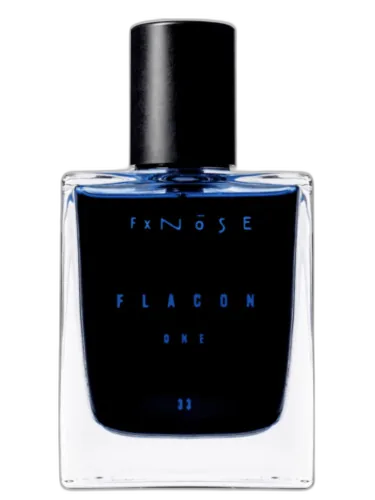
Nose Perfumes
Flacon One Nose Perfumes
Shared top notes: cypress

Aurora Scents
La Bete Du Gevaudan Aurora Scents
Shared top notes: cypress
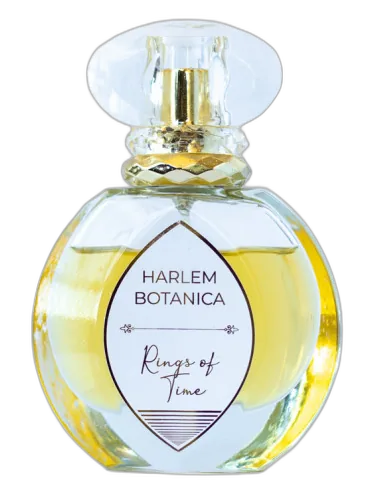
Harlem Botanica
Rings Of Time Harlem Botanica
Shared top notes: cypress

House of Noya
The Moon Shadow House Of Noya
Shared base notes: haitian vetiver