
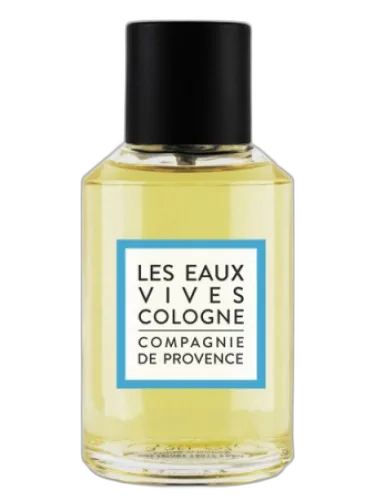

Les Eaux Vives Compagnie De Provence
At a glance
Is Les Eaux Vives Compagnie De Provence worth trying?
Les Eaux Vives by Compagnie de Provence is a Aromatic Aquatic fragrance for women and men.
- Best match
- Casual wear in Summer
- Performance feel
- Moderate longevity with Moderate sillage
- Signature profile
- aromatic, citrus, woody with Bergamot, Grapefruit, Lemon
The first impression
Les Eaux Vives by Compagnie de Provence is a Aromatic Aquatic fragrance for women and men. Les Eaux Vives was launched in 2016. The nose behind this fragrance is Anne-Sophie Behaghel. Top notes are Bergamot, Grapefruit and Lemon; middle notes are Sea Notes and Melon; base notes are Juniper Berries, Vetiver and Woody Notes.
What shapes the scent
The perfumer behind it

Anne-Sophie Behaghel
Anne-Sophie Behaghel is a French perfumer known for her work with independent and niche fragrance houses. Her style often blends natural and synthetic elements to create bold, textural compositions with a modern edge. She has created distinctive scents for Adi Ale Van, including the floral-powdery Hai Hui Flower Power and the earthy Mioritic, as well as the mineral-driven Sel d'Argent for BDK Parfums. Her work continues to push boundaries in contemporary perfumery.
Notes pyramid
Top Notes
First impression · 15-30 min
 Bergamot
 Grapefruit
 Lemon
Lemon
Heart Notes
Core character · 2-4 hours
 Sea Notes
 Melon
Melon
Base Notes
Lasting impression · 4+ hours
Juniper Berries
 Vetiver
 Woody Notes
The mood it creates
The Lover Archetype: Portrait of Les Eaux Vives Compagnie De Provence
Essence
The one who cherishes Les Eaux Vives by Compagnie de Provence is most closely aligned with the Innocent-an archetype defined by purity, simplicity, and an unwavering belief in the goodness of life. This is not naivety, but a conscious choice to embrace clarity and lightness. The fragrance itself-bright, citrusy, uncomplicated-mirrors their essence: a soul who seeks renewal in the simplest pleasures, who finds beauty in the unspoiled.
Yet, like all archetypes, the Innocent has its shadow. Beneath the sunlit surface lies a resistance to darkness, a fear of complexity that can render them fragile when life demands depth. Their optimism, while radiant, may sometimes blind them to harsh truths.
Shadow
Their greatest strength-their lightness-can become their undoing. When faced with suffering, theirs or others’, they may retreat into denial, masking pain with forced cheer. Their distaste for conflict can make them passive, avoiding necessary confrontations in the name of harmony.
At their worst, they risk becoming emotionally shallow, mistaking detachment for wisdom. The world they cultivate-so pristine, so controlled-can become a gilded cage, shielding them from growth that only comes through struggle.
Conclusion
Their world is one of clean lines and open spaces-minimalist but never sterile. They favor airy fabrics, uncluttered interiors, and colors that evoke the Mediterranean: whites, soft blues, the pale gold of morning light. Their taste in art leans toward the impressionistic, where form dissolves into sensation, where the world is rendered in strokes of fleeting beauty.
Philosophically, they are drawn to Stoicism and Zen, not as austere disciplines but as paths to serenity. They believe in the power of small rituals-morning tea sipped slowly, walks through dew-damp grass, the scent of lemon and rosemary lingering on their skin. Their values are rooted in authenticity; they despise pretense, artifice, anything that weighs down the spirit.
In relationships, they are gentle but guarded. They attract others effortlessly-their presence is like a cool breeze on a stifling day-but they rarely let anyone too close. Their love is tender but restrained, as if fearing that deep entanglement might muddy the clarity they so cherish.
If you like this, try these
Fragrances with a comparable profile - shared accords, notes, and character.
Trussardi
Trussardi A Way For Him Trussardi
Shared top notes: bergamot, grapefruit, lemon
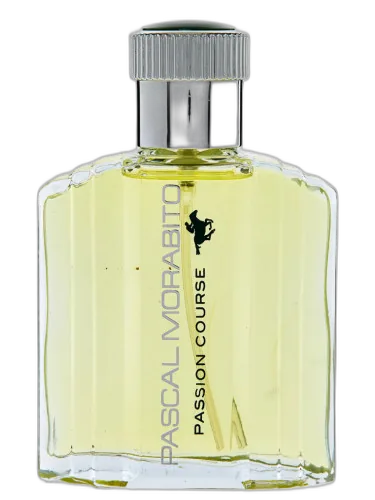
Pascal Morabito
Passion Course Pascal Morabito
Shared top notes: bergamot, grapefruit, lemon
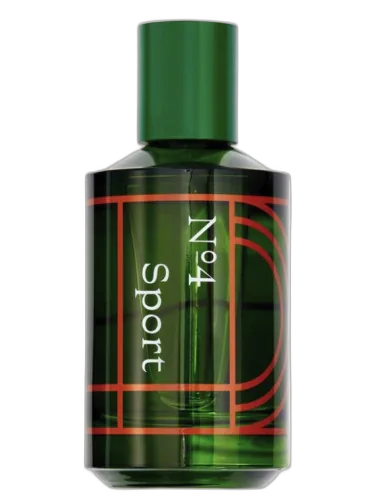
Thomas Kosmala
Nº4 Sport Thomas Kosmala
Shared top notes: bergamot, grapefruit, lemon
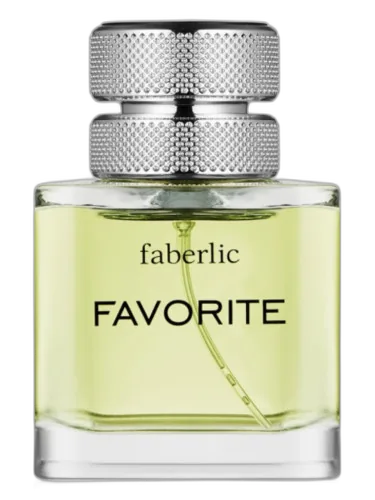
Faberlic
Favorite Faberlic
Shared top notes: bergamot, grapefruit, lemon
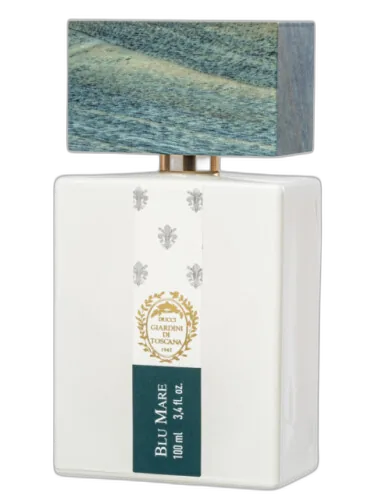
Giardini Di Toscana
Blu Mare Giardini Di Toscana
Shared top notes: bergamot, grapefruit, lemon