


Stetson Country Coty
At a glance
Is Stetson Country Coty worth trying?
Stetson Country by Coty is a Woody Chypre fragrance for men.
- Best match
- Casual wear in Fall
- Performance feel
- Good longevity with Moderate sillage
- Signature profile
- woody, aromatic, citrus with Bergamot, Amalfi Lemon, Mahogany
The first impression
Stetson Country by Coty is a Woody Chypre fragrance for men. Stetson Country was launched in 1998. Top notes are Bergamot and Amalfi Lemon; middle notes are Mahogany and Cedar; base note is Cassis.
What shapes the scent
The perfumer behind it

Notes pyramid
Top Notes
First impression · 15-30 min
 Bergamot
 Amalfi Lemon
Heart Notes
Core character · 2-4 hours
 Mahogany
 Cedar
Cedar
Base Notes
Lasting impression · 4+ hours
 Cassis
The mood it creates
The Outlaw Archetype: Portrait of Stetson Country Coty
Essence
Stetson Country Coty is a rugged, earthy scent-leather, wood, and spice with a hint of warmth, evoking open fields, worn saddles, and the quiet confidence of a man who knows his own mind. It is not a fragrance for those who seek refinement or delicate impressions. Instead, it speaks of independence, resilience, and an unapologetic embrace of raw authenticity.
The person who chooses this scent does not merely wear it; they embody it. It is an extension of their spirit-a declaration that they belong to no one, answer to no arbitrary authority, and live by their own code.
Style & Aesthetic
This person thrives in spaces where rules are few and self-determination is paramount. They may be a rancher, a craftsman, a musician, or a wanderer-someone whose work allows them to exist outside rigid structures. Their home is not a showpiece but a sanctuary, filled with well-worn leather, solid wood, and objects that serve a purpose rather than flaunt status.
They prefer the company of those who do not demand explanations-people who understand silence, loyalty, and the unspoken bond of mutual respect. Their relationships are few but deep, built on trust rather than obligation. Romantic partners must accept that they will never be fully possessed; this person loves fiercely but on their own terms.
Philosophy & Values
Their worldview is simple but unshakable: life is to be lived, not negotiated. They distrust institutions, seeing them as cages for the spirit, and place their faith in direct experience. Honor, to them, is not a social construct but an internal compass-they keep their word because to break it would be to betray themselves.
They are not reckless, but they are unafraid of risk. Pain and hardship are teachers, not enemies. They would rather fail on their own terms than succeed by someone else’s rules.
Shadow
Yet this strength is also their weakness. Their defiance can harden into cynicism, their independence into alienation. They may dismiss wisdom from others simply because it comes from an "establishment" source, even when it holds truth. Their resistance to vulnerability can make intimacy fleeting-they may walk away from love or friendship when it demands too much surrender.
At their worst, they mistake solitude for strength and stubbornness for principle. They may become the very thing they despise: a prisoner of their own rebellion.
The Outlaw is at their best when their defiance is tempered by wisdom-when they learn that true freedom is not the absence of constraints but the mastery of self. The scent of Stetson Country Coty lingers not as a challenge, but as an invitation: to live boldly, but not blindly; to stand apart, but not alone.
They are neither hero nor villain, but something more real-a person who has chosen the harder path, knowing its costs and embracing them anyway. And in that choice, they find their own kind of grace.
Conclusion
Jung’s Outlaw (or Rebel) archetype dominates this personality. They are the one who refuses to be tamed, who resists conformity, and who values freedom above all else. Their life is a testament to self-reliance, often forged through struggle, solitude, or defiance.
Yet, like all archetypes, the Outlaw has a shadow-a tendency toward isolation, stubbornness, and a refusal to bend even when flexibility would serve them. They may mistake rebellion for wisdom, resistance for strength, and solitude for invulnerability.
If you like this, try these
Fragrances with a comparable profile - shared accords, notes, and character.

Molyneux
Lord Molyneux
Shared top notes: bergamot

Le Jardin Retrouve
Eau De Vetyver Le Jardin Retrouve
Shared top notes: amalfi lemon, bergamot

Don Algodon
Don Algodon Hombre Don Algodon
Shared top notes: amalfi lemon, bergamot
Maitre Parfumeur et Gantier
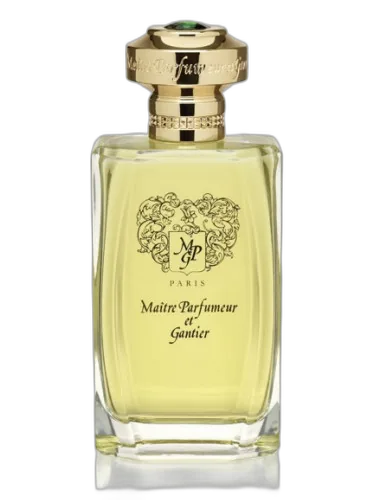
Garrigue Maitre Parfumeur Et Gantier
Shared top notes: amalfi lemon, bergamot
Le Jardin Retrouve
Vetyver Vanille Le Jardin Retrouve
Shared top notes: amalfi lemon, bergamot