
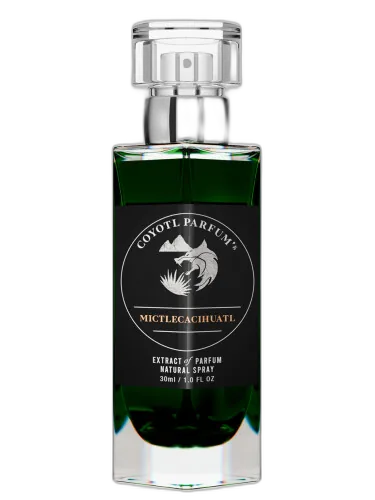

Mictlecacihuatl Coyotl
At a glance
Is Mictlecacihuatl Coyotl worth trying?
Mictlecacihuatl by Coyotl is a fragrance for women and men.
- Best match
- Evening wear in Fall
- Performance feel
- Very Good longevity with Strong sillage
- Signature profile
- leather, smoky, vanilla with Blood Orange, Lime, Litchi
The first impression
Mictlecacihuatl by Coyotl is a fragrance for women and men. This is a new fragrance. Mictlecacihuatl was launched in 2024. The nose behind this fragrance is Aneberg Prz Lui. Top notes are Blood Orange, Lime, Litchi, Mandarin and Mint; middle notes are Precious Woods, Chili Pepper, Aldehydes, Marigold, Rosemary and Oregano; base notes are Tonka Bean, Birch Tar, Castoreum, Musk and Saffron.
What shapes the scent
The perfumer behind it

Aneberg Prz Lui
Aneberg Prz Lui is a perfumer known for their deep engagement with the Coyotl fragrance line, crafting a series of evocative scents such as Affogato Coyotl and Champurrado Coyotl. Their creative signature blends gourmand and earthy notes, often drawing on traditional ingredients like cacao and agave to create rich, narrative-driven compositions. Through the Coyotl collection, Lui explores themes of ritual and nature, offering a distinctive olfactory journey that resonates with both complexity and warmth.
Notes pyramid
Top Notes
First impression · 15-30 min
 Blood Orange
 Lime
Lime
 Litchi
 Mandarin
 Mint
Mint
Heart Notes
Core character · 2-4 hours
Precious Woods
Chili Pepper
 Aldehydes
 Marigold
 Rosemary
 Oregano
Base Notes
Lasting impression · 4+ hours
 Tonka Bean
 Birch Tar
 Castoreum
 Musk
Musk
 Saffron
The mood it creates
The Devourer And The Visionary Archetype: Portrait of Mictlecacihuatl Coyotl
Essence
The one who wears Mictlecacihuatl Coyotl is not merely drawn to scent-they are drawn to transformation. This fragrance, with its dark, earthy tones and whispers of smoke and spice, belongs to the Trickster-Philosopher, an archetype that dances between chaos and wisdom. Like Coyote in myth, they are a shapeshifter-simultaneously the jester and the sage, the destroyer and the creator. They do not fear the abyss; they converse with it.
This archetype thrives on paradox. They are drawn to the liminal-the spaces between life and death, order and disorder, meaning and absurdity. Their mind is a labyrinth, and they navigate it with a smirk, knowing that every truth is provisional, every certainty an illusion.
Shadow
But the Trickster-Philosopher has a shadow, and it is vast. Their love of disruption can curdle into nihilism, their playfulness into cruelty. They may grow bored too easily, discarding people and ideas once the initial thrill fades. Their refusal to commit can leave others wounded, though they themselves remain untouched-or so they believe.
Their greatest flaw is their detachment. They stand outside life even as they engage with it, always observing, never fully surrendering. This can make them cold, even callous. They may provoke for the sake of provocation, dismantling without rebuilding, leaving others adrift in the wreckage of their deconstructions.
Conclusion
Their philosophy is one of radical fluidity. They do not cling to dogma, for they see all structures as temporary scaffolding over the void. They are the ones who ask the questions others avoid, who dismantle pretenses with a single, well-placed remark. Their humor is sharp, their wit disarming-they can make even the most rigid minds reconsider their foundations.
In taste, they favor the unconventional-art that disturbs, music that unsettles, literature that refuses easy answers. Their style is a blend of the primal and the refined: leather and bone, silk and rough linen, a deliberate clash of textures that mirrors their inner world. They are drawn to symbols of mortality-skulls, decaying flowers, the scent of damp earth-not out of morbidity, but as reminders of life’s impermanence.
Their relationships are intense but transient. They do not seek permanence in love or friendship, for they know all bonds are fleeting. Yet, in the moment, they are fiercely present-charismatic, magnetic, capable of deep connection. They do not promise forever, but they offer a rare kind of honesty: the kind that burns away illusions.
If you like this, try these
Fragrances with a comparable profile - shared accords, notes, and character.
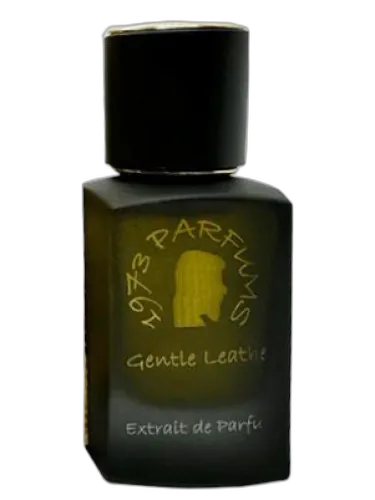
1973
Gentle Leather 1973
Shared top notes: blood orange
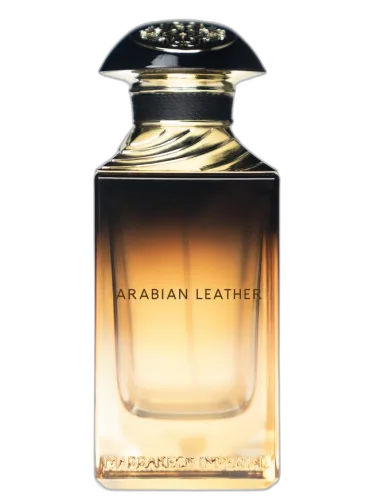
Marrakech Imperial
Arabian Leather Marrakech Imperial
Shared base notes: musk, tonka bean
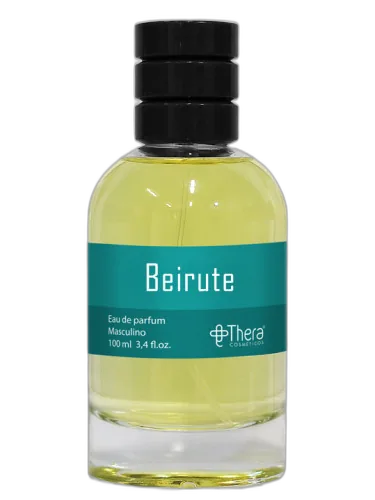
Thera Cosméticos
Beirute Thera Cosméticos
Shared top notes: lime, mint
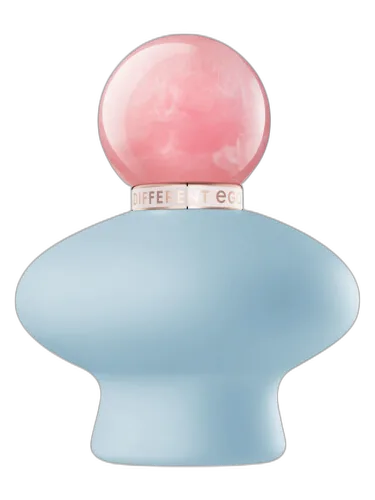
Different Ego
Mad About The Boy Different Ego
Shared top notes: blood orange, mandarin
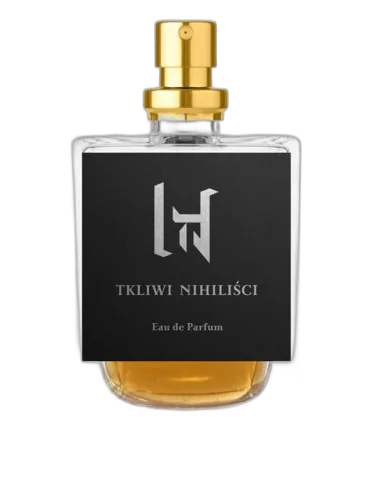
Tkliwi Nihilisci
L'eau De Parfum N°2 Tkliwi Nihilisci
Shared base notes: musk, tonka bean