
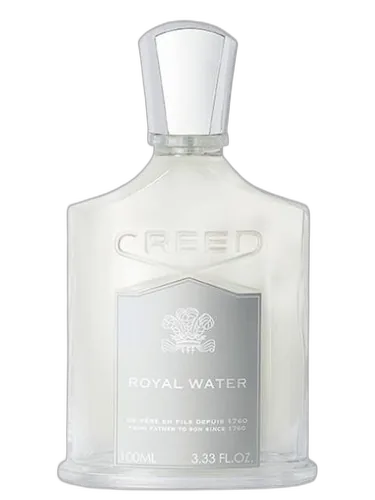

Royal Water Creed
At a glance
Is Royal Water Creed worth trying?
Royal Water by Creed is a Citrus Aromatic fragrance for women and men.
- Best match
- Casual wear in Summer
- Performance feel
- Moderate longevity with Moderate sillage
- Signature profile
- citrus, fresh spicy, fresh with Citruses, Bergamot, Mandarin Orange
The first impression
Royal Water by Creed is a Citrus Aromatic fragrance for women and men. Royal Water was launched in 1997. The nose behind this fragrance is Olivier Creed. Top notes are Citruses, Bergamot, Mandarin Orange and Vervain; middle notes are Basil, Allspice and Cumin; base notes are Musk and Cedarwood.
What shapes the scent
The perfumer behind it

Olivier Creed
Olivier Creed is a master perfumer and part of the historic Creed family, known for luxury fragrances since 1760. His catalog includes iconic scents like Aventus Cologne, Bois Du Portugal, and Acqua Fiorentina The Encore, as well as limited editions such as 250 Years Anniversary. He also created 2000 Fleurs, Amalfi Flowers, Baie De Genievre, and Chevrefeuille. Creed's work is characterized by rich, complex compositions using high-quality ingredients.
Notes pyramid
Top Notes
First impression · 15-30 min
 Citruses
 Bergamot
 Mandarin Orange
 Vervain
Heart Notes
Core character · 2-4 hours
 Basil
Basil
 Allspice
 Cumin
Cumin
Base Notes
Lasting impression · 4+ hours
 Musk
Musk
 Cedarwood
The mood it creates
The Sovereign Archetype: Portrait of Royal Water Creed
Essence
The person who favors Royal Water Creed is most closely aligned with the Sovereign archetype-a figure of measured authority, refined taste, and quiet dominance. They are not the tyrant who rules by force, nor the decadent aristocrat lost in excess, but the ruler who understands power as a form of stewardship. Their presence is commanding yet composed, their influence subtle but undeniable. Like the fragrance itself-citrus and musk, crisp yet enveloping-they balance freshness with depth, clarity with mystery.
Style & Aesthetic
Their tastes are deliberate, never accidental. They prefer the understated luxury of tailored suits over ostentation, the precision of a well-aged whiskey over cheap intoxication. In art, they gravitate toward classical compositions-Baroque symmetry, Renaissance mastery-but with a modern sensibility that avoids stagnation. Music, for them, is structured yet emotive: Bach’s fugues, the controlled intensity of post-punk, the disciplined elegance of jazz.
Their home is an extension of their mind: uncluttered, harmonious, every object serving a purpose. They disdain waste-not out of frugality, but from a belief that excess is a failure of discernment.
Their days are structured, but not rigid. They rise early, not out of obligation, but because silence before dawn is when the mind is clearest. Work is not merely labor-it is an expression of will. Whether in business, art, or leadership, they approach tasks with a strategist’s mind, seeing patterns where others see chaos.
Yet the shadow of the Sovereign is rigidity. When their control falters, they may double down rather than adapt. Their disdain for disorder can blind them to the vitality of chaos-the necessary mess of growth.
Philosophy & Values
They believe in self-possession above all else. Emotions are to be understood, not indulged; power is to be wielded, not flaunted. Their philosophy is one of responsibility-not the moralizing kind, but the kind that recognizes influence as a duty. They expect competence from others but reserve their deepest scorn for those who fail their own potential.
Yet beneath this lies a paradox: their insistence on control can become its own prison. They may mistake restraint for wisdom, discipline for truth. Their greatest fear is not failure, but irrelevance-the slow erosion of their carefully constructed authority.
Relationships
They do not give loyalty lightly, nor do they demand blind allegiance. Their relationships are built on mutual respect, but they are slow to trust-not out of paranoia, but because they understand the weight of influence. Romantic partners must be equals, not subordinates; friends must be those who sharpen, not merely flatter.
Yet their shadow emerges here: their insistence on self-sufficiency can make them emotionally distant. They may mistake detachment for strength, leaving others feeling like subjects rather than companions.
Shadow
Beneath their poise lies the risk of arrogance. The Sovereign who forgets that power is transient becomes the tyrant who mistakes dominance for destiny. They may grow impatient with those who do not meet their standards, dismissing nuance as weakness. The crisp clarity of Royal Water Creed can, in excess, become sterile-a world too controlled loses its fragrance.
Conclusion
They are neither conqueror nor servant, but the one who understands that true authority is not in ruling others, but in mastering oneself. Royal Water Creed is their essence-clean, commanding, with a depth that lingers. Their life is an exercise in balance: between control and spontaneity, between leadership and humility.
But they must remember: even the most refined water, left stagnant, loses its vitality. The true Sovereign does not fear the occasional storm-they learn to navigate it.
If you like this, try these
Fragrances with a comparable profile - shared accords, notes, and character.

Proad
Let The Whispers Of Mojito Calm Your Soul Proad
Shared top notes: bergamot
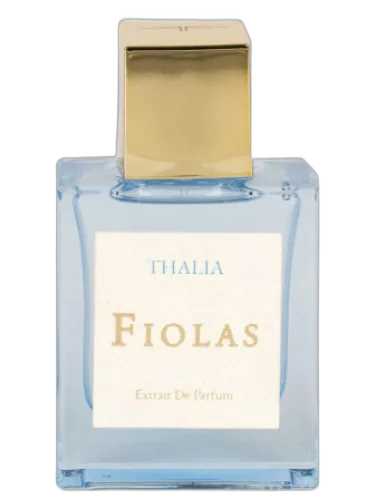
Fiolas
Thalia Fiolas
Shared top notes: citruses
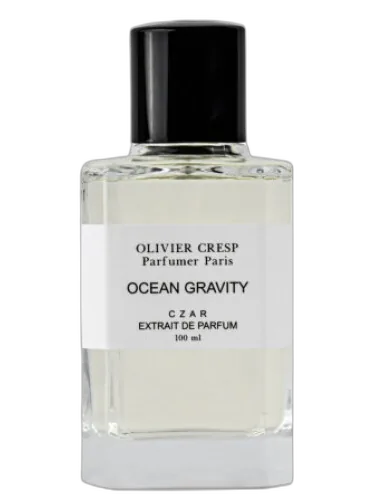
CZAR
Ocean Gravity X Olivier Cresp X Ilias Ermenidis Czar
Shared top notes: bergamot, mandarin orange

Kalmellow
Carefree Kalmellow
Shared top notes: bergamot
Perfume Cult
To The Moon And Back Perfume Cult
Shared top notes: bergamot, citruses, mandarin orange