


Spice And Wood Creed
At a glance
Is Spice And Wood Creed worth trying?
Spice and Wood by Creed is a Oriental Woody fragrance for women and men.
- Best match
- Evening, Special Occasion wear in Fall, Winter
- Performance feel
- Very Good longevity with Strong sillage
- Signature profile
- woody, fresh spicy, citrus with Apple, Lemon, Bergamot
The first impression
Spice and Wood by Creed is a Oriental Woody fragrance for women and men. Spice and Wood was launched in 2010. The nose behind this fragrance is Olivier Creed. Top notes are Apple, Lemon and Bergamot; middle notes are Pepper, Birch, Clove, Angelica and Patchouli; base notes are Cedar, oak moss, Musk and Iris.
What shapes the scent
The perfumer behind it
Olivier Creed
Olivier Creed is a master perfumer and part of the historic Creed family, known for luxury fragrances since 1760. His catalog includes iconic scents like Aventus Cologne, Bois Du Portugal, and Acqua Fiorentina The Encore, as well as limited editions such as 250 Years Anniversary. He also created 2000 Fleurs, Amalfi Flowers, Baie De Genievre, and Chevrefeuille. Creed's work is characterized by rich, complex compositions using high-quality ingredients.
Notes pyramid
Top Notes
First impression · 15-30 min
 Apple
Apple
 Lemon
Lemon
 Bergamot
Heart Notes
Core character · 2-4 hours
 Pepper
 Birch
Birch
 Clove
Clove
 Angelica
 Patchouli
Base Notes
Lasting impression · 4+ hours
 Cedar
oak moss
Cedar
oak moss
 Musk
Musk
 Iris
Iris
The mood it creates
The Sage Archetype: Portrait of Spice And Wood Creed
Essence
A person who favors Spice and Wood by Creed is one who seeks depth in all things-not the superficial allure of fleeting trends, but the enduring resonance of wisdom, refinement, and quiet power. This fragrance, with its warm spices, smoky woods, and subtle citrus, is a scent of contemplation and mastery. It does not shout; it lingers, leaving an impression of gravitas. The archetype that best defines this individual is The Sage-the seeker of truth, the keeper of knowledge, the one who navigates life with measured steps and an unshakable inner compass.
Style & Aesthetic
Their aesthetic mirrors their philosophy: refined, timeless, and deliberate. They favor tailored but understated clothing-wool suits, cashmere sweaters, leather shoes that age beautifully. Their home is a sanctuary of order and warmth, filled with books, dark woods, and perhaps a few carefully chosen artifacts from their travels. They appreciate craftsmanship, the kind that reveals itself slowly, like the layers of their favorite fragrance.
They do not follow fashion; they cultivate a style that transcends it. Their choices are intentional, never accidental. Even in casual moments, there is an air of quiet authority-a well-worn watch, a leather-bound notebook, a single piece of jewelry with personal significance.
Their days are structured but not rigid. They rise early, savoring the quiet hours with coffee, reading, or journaling. They prefer deep work over scattered tasks, valuing focus over multitasking. Their career is often one that allows for autonomy-perhaps as a writer, professor, consultant, or artist. They are drawn to fields where insight matters more than speed.
They travel not for escapism but for expansion. A remote cabin in the woods, an ancient library, a city with a rich intellectual history-these are their destinations. They seek not just sights, but perspectives.
Philosophy & Values
The Sage does not chase happiness in the conventional sense; they pursue meaning. Their philosophy is rooted in the belief that life must be understood, not merely lived. They are drawn to Stoicism, Eastern philosophy, or perhaps the writings of Nietzsche himself-anything that demands intellectual rigor and self-examination. They value wisdom over wealth, insight over influence. To them, a life unexamined is a life wasted.
Yet, this pursuit of knowledge is not purely academic. The Sage applies their understanding to the world, often acting as a guide for others-whether through mentorship, writing, or simply the way they carry themselves. Their presence is steadying, their advice sought after. They believe in the power of restraint, in the elegance of understatement, in the strength of silence.
Relationships
The Sage is not a social butterfly, nor do they wish to be. Their relationships are few but profound. They attract others through their depth, their ability to listen, their refusal to engage in trivialities. They are the confidant, the advisor, the one who sees what others miss.
Yet, their very strength can become their shadow. Their preference for solitude can harden into detachment. Their intellectual rigor may turn into impatience with those who do not share their depth. They may struggle with vulnerability, preferring the safety of thought over the messiness of emotion. Love, for them, is often a puzzle to be solved rather than a force to be surrendered to.
Shadow
Every archetype has its dark counterpart, and the Sage is no exception. Their pursuit of wisdom can become a form of arrogance-a belief that they alone see the world clearly. They may dismiss passion as irrationality, spontaneity as foolishness. Their need for control can make them rigid, resistant to change even when it is necessary.
At their worst, they become the Hermit-isolated, overly critical, convinced of their own superiority. They may withdraw into their own mind, losing touch with the raw, imperfect beauty of lived experience. The very knowledge they cherish can become a prison if they forget that wisdom must be tempered with humility.
Conclusion
When the Sage embraces both their light and shadow, they become something rare: a thinker who does not lose themselves in thought, a guide who does not impose but illuminates. Their love for Spice and Wood is no accident-it is the scent of a life lived with intention, of a mind that burns slowly, like embers in a hearth.
But they must remember: wisdom without warmth is cold; knowledge without compassion is barren. The true Sage does not merely know-they understand, they feel, they live. And in that balance, they find not just truth, but meaning.
If you like this, try these
Fragrances with a comparable profile - shared accords, notes, and character.
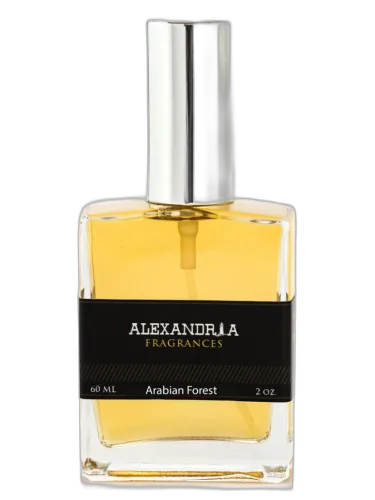
Alexandria Fragrances
Arabian Forest Alexandria Fragrances
Shared top notes: apple, bergamot, lemon
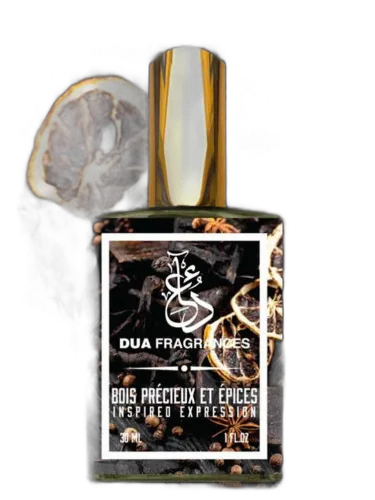
The Dua Brand
Bois Precieux Et Epices The Dua Brand
Shared top notes: apple, lemon

Montale
Starry Nights Montale
Shared top notes: apple, bergamot, lemon

Judith Williams
Man 2 Judith Williams
Shared top notes: apple, bergamot, lemon
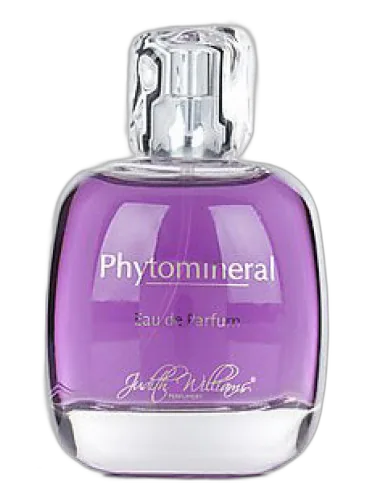
Judith Williams
Phytomineral Judith Williams
Shared top notes: apple, lemon