


Розы Крыма Crimean Rose – Крымская Роза
Fragrance Story
Розы Крыма by Crimean rose - Крымская роза is a Floral fragrance for women. Розы Крыма was launched in 1968. Розы Крыма was created by Elena Kaboshina and A G LIwschitz.
Composition Profile
About the Perfumer

A G LIwschitz
A G Livschitz was a Soviet perfumer whose work is closely associated with the Novaya Zarya factory in Moscow. Their style often centered on rich, naturalistic floral and woody compositions, with a particular emphasis on Crimean rose accords. Representative creations include the Crimean Rose series and the Ural Gems collection, which showcase a dedication to regional ingredients and traditional Russian perfumery.
Fragrance Notes
All Notes
Complete scent profile
 Geranium
 Musk
Musk
 Rose
Rose
 Jasmine
 Violet
 Honeysuckle
 Reseda
Character Profile
The Lover Archetype: Portrait of Розы Крыма Crimean Rose - Крымская Роза
Essence
To wear Розы Крыма (Crimean Rose) is to embrace a fragrance that is at once delicate and commanding-a paradox of softness and strength. The scent is lush, velvety, with the intoxicating depth of roses grown under the warm Crimean sun, kissed by salt-laden winds. It speaks of romance, but not the fleeting kind; this is devotion, sensuality with an undercurrent of melancholy, a whisper of history and longing.
The person who chooses this fragrance is, above all, a Lover-not merely in the romantic sense, but in the Jungian archetypal understanding. They are driven by passion, beauty, and connection. Their life is an ode to the senses, an insistence that existence must be felt deeply, tasted fully, and cherished with fervor.
Style & Aesthetic
Their tastes are refined but never ostentatious. They prefer the elegance of vintage silk scarves over loud prints, the weight of a well-bound book over the ephemeral glow of a screen. Their home is a sanctuary-soft light, fresh flowers, perhaps an antique perfume bottle on the dresser. They are drawn to art that stirs emotion: the poetry of Akhmatova, the melancholic strains of Rachmaninoff, the rich hues of a Venetian sunset captured in oil.
Fashion is an extension of their inner world. They favor flowing fabrics, subtle jewelry with history, colors that evoke warmth-deep reds, muted golds, dusky pinks. Their style is never accidental; every choice is deliberate, a quiet assertion of their philosophy: beauty is not frivolous-it is necessary.
They thrive in environments that feed their soul-a garden in bloom, a candlelit dinner with close friends, travels to places steeped in history and romance. Routine suffocates them; they need moments of transcendence, whether through art, nature, or love.
Yet, their aversion to the mundane can make them impractical. Bills go unpaid as they lose themselves in poetry; responsibilities are deferred for the sake of a perfect afternoon. They are not lazy-merely unwilling to sacrifice beauty for efficiency.
Philosophy & Values
They reject the cold utilitarianism of modern life. For them, meaning is found in connection-to people, to art, to the natural world. They believe in love as a transformative force, in the sacredness of small moments: the brush of a hand, the scent of roses after rain, the quiet understanding between kindred spirits.
Yet, this intensity is both their strength and their undoing. They despise superficiality, but their disdain can curdle into impatience with those who do not share their depth. They crave intimacy, yet their standards are exacting-few can meet them.
Relationships
In love, they are ardent, generous, almost devotional. When they love, they love fiercely, with a loyalty that borders on obsession. Their partners are often swept away by their tenderness, their ability to make even the ordinary feel sacred.
But the shadow of the Lover is jealousy, a fear of abandonment that can twist devotion into control. They may cling too tightly, mistake intensity for permanence, or romanticize partners beyond reality. Their heartbreak is not casual-it is a wound that lingers, a rose whose thorns they cannot forget.
Shadow
The Lover’s greatest weakness is their refusal to accept imperfection-in love, in life, in themselves. When reality fails to match their ideals, they may spiral into melancholy or self-reproach. Their romanticism can blind them to manipulation, leaving them vulnerable to those who exploit their devotion.
And yet, even in their suffering, there is nobility. They would rather ache deeply than feel nothing at all.
Conclusion
To love a rose is to accept its thorns. The wearer of Crimean Rose knows this truth in their bones. They are both fragile and resilient, a living testament to the power of feeling in a world that often demands detachment.
Their life is not easy-but it is vivid, rich, and unapologetically alive. And in the end, that is their triumph.
Similar Fragrances
Fragrances with a comparable profile - shared accords, notes, and character.
Crimean rose – Крымская роза
Розы Крыма Crimean Rose – Крымская Роза
Shared accords: aromatic, floral, fresh spicy
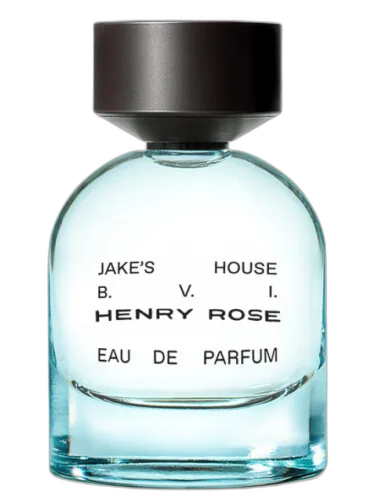
Henry Rose
Jake's House B.v.i. Henry Rose
Shared accords: aromatic, floral, fresh spicy
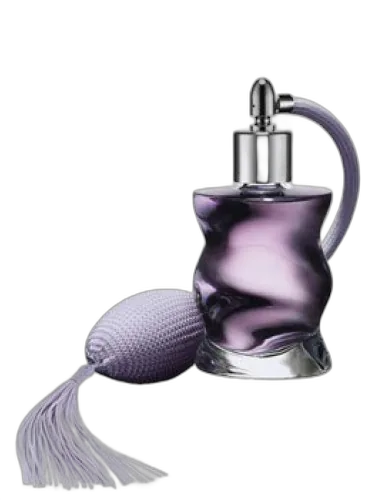
Oriflame
Grace Oriflame
Shared accords: aromatic, floral, fresh spicy
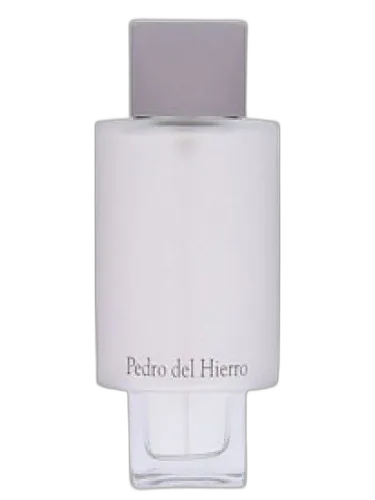
Pedro Del Hierro
Pedro Del Hierro Pedro Del Hierro
Shared accords: aromatic, floral, fresh spicy

Renier Perfumes
Anacaona Renier Perfumes
Shared accords: floral, musky, powdery