


Time Hunter Cristian Brinck
At a glance
Is Time Hunter Cristian Brinck worth trying?
Time Hunter by Cristian Brinck is a Leather fragrance for men.
- Best match
- Evening wear in Fall
- Performance feel
- Very Good longevity with Strong sillage
- Signature profile
- woody, warm spicy, aromatic with Pine Tree, Cardamom, Bourbon Whiskey
The first impression
Time Hunter by Cristian Brinck is a Leather fragrance for men. Time Hunter was launched in 2020. The nose behind this fragrance is Cristian Brinck. Top notes are Pine Tree, Cardamom, Bourbon Whiskey and Juniper; middle notes are Olibanum, Agarwood (Oud) and Virginia Cedar; base notes are Patchouli, Amber, Cetalox and Musk.
What shapes the scent
The perfumer behind it

Notes pyramid
Top Notes
First impression · 15-30 min
 Pine Tree
 Cardamom
 Bourbon Whiskey
 Juniper
Heart Notes
Core character · 2-4 hours
Olibanum
 Agarwood (Oud)
Virginia Cedar
Agarwood (Oud)
Virginia Cedar
Base Notes
Lasting impression · 4+ hours
 Patchouli
 Amber
Amber
 Cetalox
 Musk
Musk
The mood it creates
The Explorer Archetype: Portrait of Time Hunter Cristian Brinck
Essence
To wear Time Hunter by Cristian Brinck is to embody an essence of restless curiosity, a scent that evokes distant horizons and uncharted territories. This fragrance-spicy, woody, with an undercurrent of leather and smoke-speaks of a soul who refuses to be confined by the mundane. The person who chooses it is not merely drawn to adventure; they are defined by it. They are the Explorer, an archetype rooted in the Jungian pursuit of discovery, both of the world and the self.
Shadow
Yet the Explorer’s strength is also their weakness. Their restlessness can become escapism, a refusal to commit-to people, places, or even themselves. They mistake motion for progress, confusing the accumulation of experiences with true growth. Beneath their bravado, there may lurk a fear of depth, a suspicion that if they stay too long, they will be disappointed-or worse, bored.
Their relationships suffer for it. They leave lovers with half-finished sentences, friends with unanswered messages. They may pride themselves on their independence, but isolation is the price. And when the road loses its luster, they face a haunting question: What am I running from?
Conclusion
The Explorer thrives on movement, on the friction between the known and the unknown. Their life is a series of departures-not just physical, but intellectual and emotional. They are the traveler who books a one-way ticket, the thinker who questions dogma, the artist who reinvents their medium. Routine is their enemy; stagnation, their greatest fear.
Their tastes reflect this. They prefer raw, unfiltered experiences-a back-alley jazz bar over a polished concert hall, a handwritten letter over a text message. Their wardrobe is functional yet distinctive, favoring well-worn leather jackets, sturdy boots, and fabrics that tell stories. They collect objects not for display, but for the memories they hold: a compass from a Moroccan souk, a dog-eared copy of The Dharma Bums, a flask engraved with a line from Rilke.
Philosophically, they reject absolutes. Truth, to them, is not fixed but fluid-something to be chased, not possessed. They are drawn to existentialists and mystics, to those who treat life as an experiment rather than a doctrine. Their values are freedom, authenticity, and the courage to face uncertainty.
If you like this, try these
Fragrances with a comparable profile - shared accords, notes, and character.

Masaki Matsushima
J-höm Masaki Matsushima
Shared top notes: cardamom
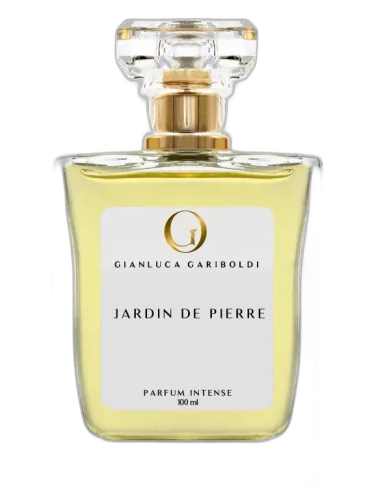
Gianluca Gariboldi
Jardin De Pierre Gianluca Gariboldi
Shared top notes: cardamom
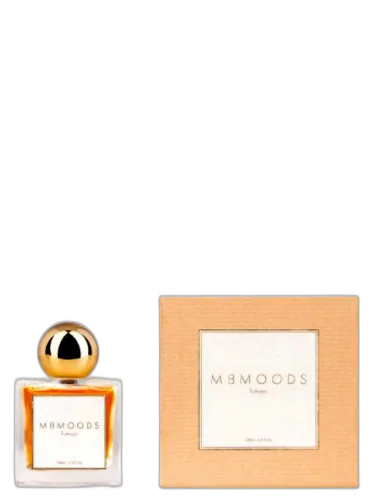
M8 Moods
Fumoso M8 Moods
Shared heart notes: agarwood (oud)
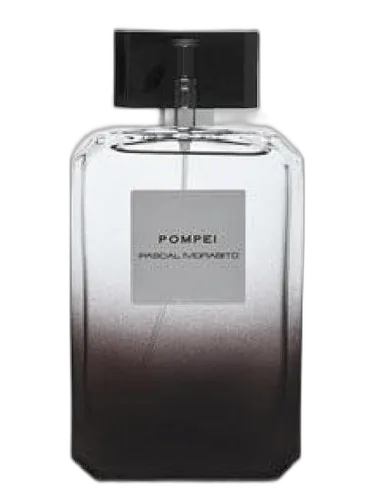
Pascal Morabito
Pompei Pascal Morabito
Shared top notes: cardamom
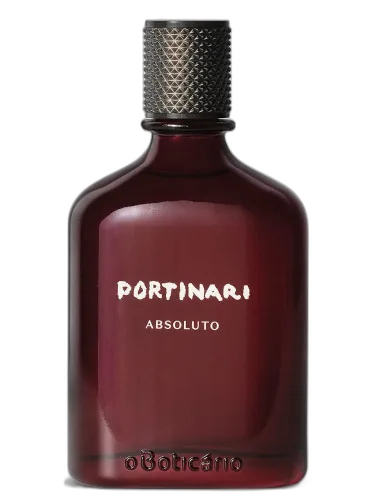
O Boticário
Portinari Absoluto O Boticário
Shared top notes: cardamom, juniper