


Ilex Cultus Artem
At a glance
Is Ilex Cultus Artem worth trying?
Ilex by Cultus Artem is a Floral Green fragrance for women and men.
- Best match
- Casual wear in Spring
- Performance feel
- Good longevity with Moderate sillage
- Signature profile
- aromatic, fresh spicy, white floral with Mate, Peppertree, Jasmine Sambac
The first impression
Ilex by Cultus Artem is a Floral Green fragrance for women and men. Ilex was launched in 2019. The nose behind this fragrance is Holly Tupper.
What shapes the scent
The perfumer behind it

Holly Tupper
Holly Tupper is a perfumer for Cultus Artem, where she has created fragrances such as Alba, Amara, and Tuberosa. Her work often highlights single botanical notes like champaca, rose, and vetiver, emphasizing purity and natural beauty. Tupper’s style is minimalist and focused, allowing each ingredient to shine.
Notes pyramid
All Notes
Complete scent profile
 Mate
Mate
 Peppertree
 Jasmine Sambac
Petitgrain Paraguay
Jasmine Sambac
Petitgrain Paraguay
 Bergamot
 Neroli
French Narcissus
Neroli
French Narcissus
 Sandalwood
The mood it creates
The Sage Archetype: Portrait of Ilex Cultus Artem
Essence
The one who cherishes Ilex Cultus Artem is a seeker-a mind drawn to the interplay of nature and intellect, of mystery and precision. Their soul resonates with the Sage archetype, the eternal student and philosopher who values wisdom above all else. This fragrance, with its layered botanical complexity-green, woody, and subtly sacred-mirrors their inner world: a place where curiosity is sacred, where knowledge is not just acquired but felt.
They are not content with superficial truths; they crave the hidden, the esoteric, the things that require patience to uncover. Like the holly (Ilex) that symbolizes resilience and protection, they possess a quiet strength, an ability to endure the harshness of ignorance while nurturing their own understanding.
Relationships
They do not collect friends; they cultivate them with care. Their relationships are built on intellectual and spiritual exchange-conversations that last deep into the night, shared silences that feel richer than small talk. They are not the life of the party, but the one you seek when you need insight.
Romantically, they are drawn to those who challenge them, who possess a mind as restless as their own. They value independence and despise possessiveness, yet their aloofness can sometimes be mistaken for detachment. Their love is not loud but profound, expressed in gestures-a carefully chosen book, a handwritten note tucked into a coat pocket.
Shadow
Yet, for all their wisdom, they are not immune to folly. Their greatest weakness lies in their tendency to over-intellectualize, to retreat into thought when emotion demands presence. They may dismiss feelings as irrational, or worse-beneath them. This is their hubris: the belief that understanding alone can conquer suffering.
They may also fall prey to isolation, mistaking solitude for strength. The world, with its noise and chaos, frustrates them, and so they withdraw-sometimes too far. Their disdain for ignorance can harden into arrogance, a quiet contempt for those who do not share their depth.
Conclusion
Their tastes are refined but never ostentatious. They prefer the understated elegance of raw materials-linen, aged wood, handcrafted ceramics. Their home is a sanctuary of books, dried botanicals, and perhaps an antique desk where they write or sketch. They are drawn to art that suggests more than it reveals-symbolist paintings, minimalist poetry, ambient music that evokes landscapes rather than narratives.
Philosophically, they reject dogma but respect tradition. They may be drawn to Stoicism for its discipline, to Taoism for its fluidity, or to alchemy for its metaphor of transformation. They believe in the slow refinement of the self, in the idea that wisdom is not given but earned through contemplation and experience.
If you like this, try these
Fragrances with a comparable profile - shared accords, notes, and character.
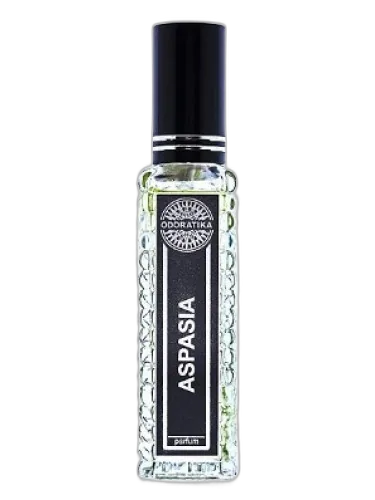
Odoratika
Aspasia Odoratika
Shared top notes: bergamot
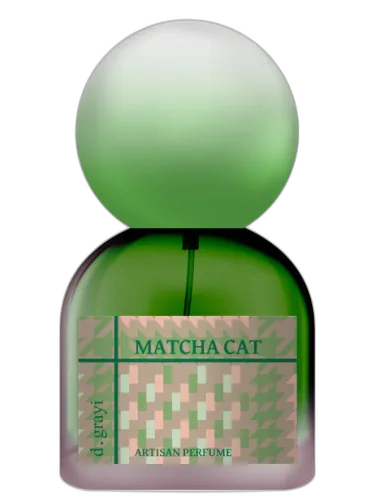
d.grayi
Matcha Cat D.grayi
Shared top notes: bergamot
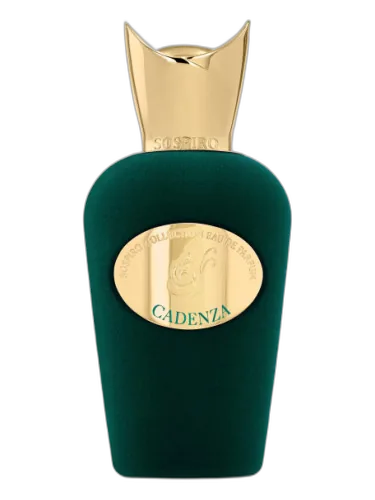
Sospiro Perfumes
Cadenza Sospiro Perfumes
Shared top notes: bergamot
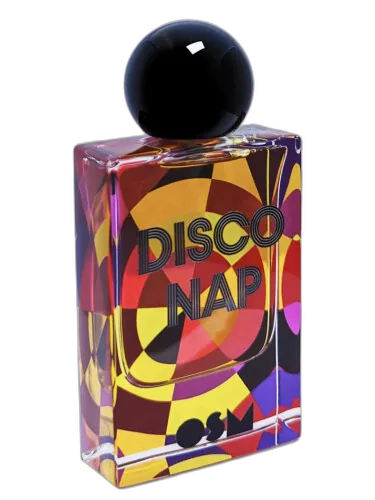
OSM
Disco Nap Osm
Shared top notes: bergamot, mate, neroli

Oriflame
Giordani Gold Man Eau De Parfum Oriflame
Shared top notes: bergamot