


David's Perfume #01 Amber & Cashmere David’s Perfume By David Dobrik
Fragrance Story
David's Perfume #01 Amber & Cashmere by David’s Perfume by David Dobrik is a Woody Spicy fragrance for women and men. David's Perfume #01 Amber & Cashmere was launched in 2020. The nose behind this fragrance is Celine Barel.
Composition Profile
About the Perfumer

Celine Barel
Celine Barel is a French perfumer known for her work with brands like 4711, Abercrombie & Fitch, and Aesop. Her creations include the vibrant 4711 Remix Electric Night and the fresh Tacit for Aesop. She has also crafted scents for Andrea Maack, Avon, and Blumarine, showcasing a versatile style that spans from crisp colognes to bold florals.
Fragrance Notes
All Notes
Complete scent profile
 Woody Notes
 Amber
Amber
 Cashmere Wood
 Spicy Notes
Character Profile
The Caregiver Archetype: Portrait of David's Perfume #01 Amber & Cashmere David’s Perfume By David Dobrik
Essence
This person is drawn to the warmth of Amber & Cashmere-a fragrance that wraps the senses in softness, depth, and quiet confidence. They are the kind of individual who moves through life with an understated grace, exuding comfort and reliability. Their presence is not loud, but it lingers, like the scent of amber on skin long after the day has faded.
At their core, they embody the Caregiver archetype, a figure who nurtures, protects, and creates harmony. Their instinct is to soothe, to mend, to envelop others in an embrace-sometimes literal, often emotional. They are the friend who remembers birthdays, the partner who leaves little notes, the colleague who offers a listening ear without judgment.
Yet, like all archetypes, this one casts a shadow. Their kindness can become self-effacing; their generosity can slip into martyrdom. They may forget to nurture themselves in their devotion to others, or worse-resent those who do not reciprocate.
Style & Aesthetic
Their taste is refined but never ostentatious. They prefer textures that invite touch-cashmere sweaters, well-worn leather, linen softened by time. Their wardrobe is a study in muted elegance: deep browns, warm creams, the occasional whisper of burgundy. They favor simplicity, but never sterility; their minimalism is lived-in, human.
In their home, candles burn low, casting golden light over bookshelves lined with well-loved novels and art books. They have a fondness for handmade ceramics, imperfect but full of character. Their space is not a showroom but a sanctuary-a place where others feel at ease, where conversation flows like honey.
Philosophy & Values
They believe in the small, sacred acts of care. To them, love is not grand gestures but the steady accumulation of kindnesses-the cup of tea made just right, the blanket offered before it’s asked for, the silence that holds space for grief. They are not religious in the traditional sense, but they practice a kind of secular devotion: the belief that tenderness is its own form of salvation.
Yet their shadow whispers doubts. Do they love me because they love me, or because they need to be needed? They may struggle with boundaries, mistaking self-neglect for virtue. Their greatest fear is not being wanted-not for their usefulness, but for their essence.
Relationships
In friendship, they are the steady one, the one who remembers the details. People confide in them effortlessly, drawn by their lack of judgment. They do not fix; they witness. Their love language is acts of service, but they must learn to receive as well as they give.
Romantically, they seek depth over drama. They are not seduced by grand passions but by quiet constancy. Yet their shadow may lead them to partners who take more than they give, mistaking exhaustion for love. They must learn that care is not currency-it should not be spent in hopes of a return.
Shadow
Their strength is their ability to make the world feel softer, safer. They are the antidote to loneliness, the human equivalent of sinking into a warm bath after a long day. But their flaw is their reluctance to demand the same care they freely give. They must learn that self-sacrifice is not nobility-it is imbalance.
To evolve, they must embrace the truth: to nurture others, they must first nurture themselves. Only then does their warmth become sustainable, their kindness unburdened. Only then does the amber glow within them burn without burning out.
Similar Fragrances
Fragrances with a comparable profile - shared accords, notes, and character.

Commodity
Paper Commodity
Shared accords: amber, musky, woody
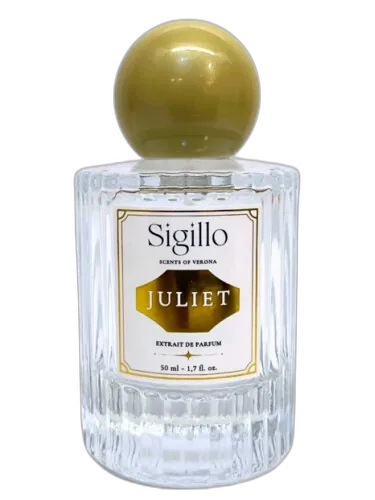
Scents of Verona by SIGILLO VERONA
Juliet Scents Of Verona By Sigillo Verona
Shared accords: amber, musky, woody
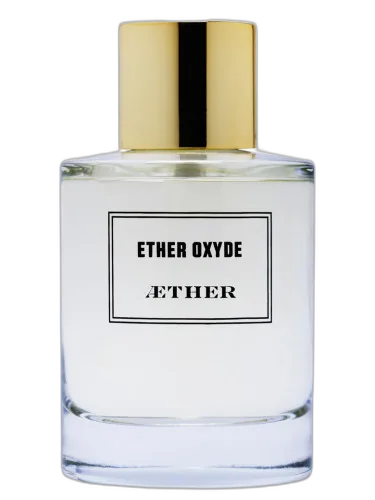
Aether
Aether Oxyde Aether
Shared accords: amber, musky, woody

Mémoire des Sens
Mysterious Touch Mémoire Des Sens
Shared accords: amber, musky, woody

Our Modern Lives
Oml Α Our Modern Lives
Shared accords: amber, woody