


Fuzzy Sweater Demeter Fragrance
At a glance
Is Fuzzy Sweater Demeter Fragrance worth trying?
Fuzzy Sweater by Demeter Fragrance is a Aromatic fragrance for women.
- Best match
- Casual wear in Fall
- Performance feel
- Moderate longevity with Intimate sillage
- Signature profile
- musky, fresh, animalic with Wool, Fabric
The first impression
Fuzzy Sweater by Demeter Fragrance is a Aromatic fragrance for women. Fuzzy Sweater was launched in 2019.
What shapes the scent
The perfumer behind it

Notes pyramid
All Notes
Complete scent profile
 Wool
Wool
 Fabric
The mood it creates
The Lover Archetype: Portrait of Fuzzy Sweater Demeter Fragrance
Essence
The person who cherishes Fuzzy Sweater by Demeter is most closely aligned with the Nurturer archetype, a figure who finds profound meaning in warmth, comfort, and the quiet joys of domesticity. Like a hearth-keeper of old, they create sanctuaries-both physical and emotional-where others can retreat from the world’s harshness. Their fragrance is not an announcement but an invitation: soft, enveloping, unpretentious.
Yet, the Nurturer is not merely passive; their strength lies in their ability to sustain others. They are the ones who remember birthdays, who brew tea just right, who fold blankets before guests arrive. Their love language is tactile, their presence a balm. But beneath this gentleness lies a quiet resilience-an understanding that comfort is not weakness but a deliberate act of defiance against life’s chaos.
Shadow
But every archetype has its shadow. For the Nurturer, it is the Martyr-the one who gives until they resent, who confuses self-neglect with virtue. They may bury their frustrations under layers of kindness, only to feel unseen when their efforts go unreciprocated. Their greatest fear is not being needed, and so they sometimes cling to relationships that drain them, mistaking dependency for love.
They may also resist change, preferring the safety of the familiar even when it stifles growth. Their home, once a sanctuary, can become a cage if they refuse to step beyond its threshold. The world outside is cold, yes-but it is also vast, and their reluctance to engage with its roughness can leave them stagnant.
Conclusion
Their tastes are simple but deliberate. They prefer natural fibers-cashmere, wool, linen-over synthetic gloss. Their home is a collage of well-worn books, mismatched mugs, and the faint scent of vanilla lingering in the air. They are drawn to folk music, poetry that speaks of rain on windows, and films where silence carries as much weight as dialogue.
Philosophically, they believe in the sacredness of small things. A perfect morning is not marked by grand achievements but by sunlight on hardwood floors, the hum of a coffee machine, the weight of a cat curled in their lap. They distrust grand ideologies, preferring instead the slow, steady work of care-knowing that revolutions may change laws, but tenderness changes people.
In relationships, they are the steady hand, the listener, the one who remembers how you take your coffee. They are not the life of the party, but the one who stays late to help clean up. Their love is not fiery but smoldering-a slow burn that outlasts passion’s fleeting sparks. Yet, they sometimes struggle to ask for their own needs, assuming that if they give enough, love will return to them without demand.
If you like this, try these
Fragrances with a comparable profile - shared accords, notes, and character.

Courrèges
C Courrèges
Shared top notes: fabric

Wilhelm Perfume
Carly Wilhelm Perfume
Shared top notes: fabric
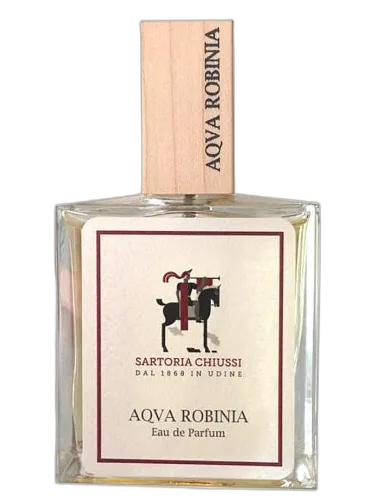
Sartoria Chiussi 1868
Aqva Robinia Sartoria Chiussi 1868
Shared top notes: fabric
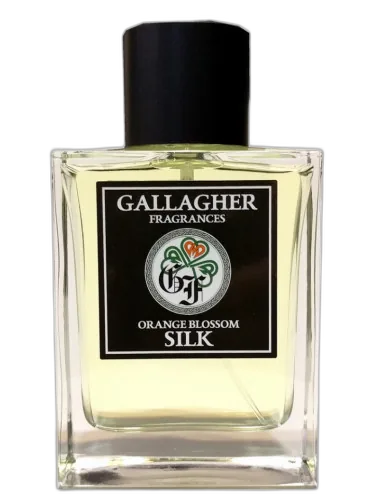
Gallagher Fragrances
Orange Blossom Silk Gallagher Fragrances
Shared accords: animalic, musky
Biography Scents of Self
Scents Of Harmony Biography Scents Of Self
Shared accords: animalic, musky