


Molasses Demeter Fragrance
At a glance
Is Molasses Demeter Fragrance worth trying?
Molasses by Demeter Fragrance is a Oriental fragrance for women and men.
- Best match
- Casual wear in Fall
- Performance feel
- Moderate longevity with Moderate sillage
- Signature profile
- sweet with Molasses
The first impression
Molasses by Demeter Fragrance is a Oriental fragrance for women and men. Molasses was launched in 2013.
What shapes the scent
The perfumer behind it

Notes pyramid
All Notes
Complete scent profile
 Molasses
The mood it creates
The Lover Archetype: Portrait of Molasses Demeter Fragrance
Essence
To choose Molasses by Demeter as one’s signature scent is to embrace warmth in its most primal, unrefined form. This fragrance is not the delicate whisper of citrus or the sharp clarity of pine-it is thick, enveloping, almost edible in its richness. The person who wears it does not seek to dazzle or provoke, but to comfort, to sustain, to root themselves in the deep, nourishing earth. Their archetype is The Nurturer, a figure who finds meaning in the act of giving, in the slow, deliberate cultivation of life.
Their philosophy is simple: life is sustained by care. They believe in the quiet power of small gestures-a home-cooked meal, a well-timed embrace, the steady rhythm of routine. They are drawn to the tactile, the tangible-wool sweaters, wooden spoons, handwritten letters. Their tastes are nostalgic, often leaning toward the rustic and unpretentious: honey-sweetened tea, freshly baked bread, the scent of old books. They do not chase novelty, but rather depth-the kind that comes from repetition, from knowing a thing so well it becomes part of them.
Their style reflects this. They favor natural fibers, muted earth tones, garments that feel lived-in rather than pristine. There is an ease to their presence, a lack of urgency that makes others feel they can exhale in their company. They are the keeper of traditions, the one who remembers birthdays, who knows how to mend a torn seam or soothe a fever.
Shadow
Yet, like all archetypes, the Nurturer has a shadow. Their generosity can become self-erasure. They may pour so much into others that they forget to nourish themselves, mistaking exhaustion for virtue. Their fear of being unnecessary can lead to overcommitment, to a life spent tending to others while their own desires go unspoken.
There is also a stubbornness in their ways. They resist change, clinging to familiar comforts even when they no longer serve them. Their nostalgia can harden into rigidity, their devotion into possessiveness. They may resent those who do not reciprocate their care, not realizing that love, to be truly sustaining, must flow freely-not as an obligation, but as a choice.
Conclusion
To be the Nurturer is to walk a path of quiet power. They will never be the loudest voice in the room, nor the most celebrated, but they are the ones who make life worth living. Their legacy is not in monuments or titles, but in the hands they have held, the meals they have shared, the small, unrecorded acts of kindness that ripple outward long after they are gone.
Yet they must remember: even the earth must rest between harvests. To truly nurture others, they must first nurture themselves-not as an afterthought, but as the foundation upon which all else is built. Only then can their warmth remain boundless, their love unburdened by the weight of expectation.
If you like this, try these
Fragrances with a comparable profile - shared accords, notes, and character.
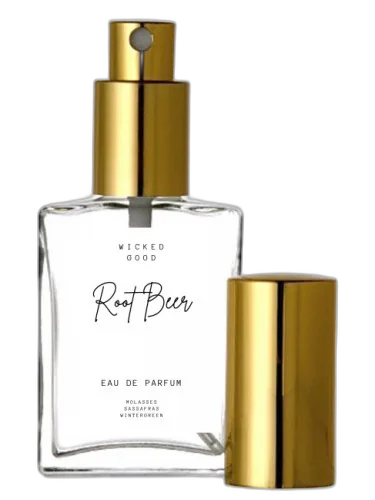
Wicked Good
Root Beer Soda Wicked Good
Shared top notes: molasses
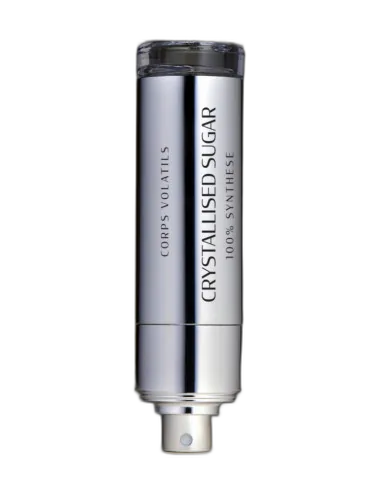
Corps Volatils
Crystallised Sugar Corps Volatils
Shared accords: sweet

Il Profumiere
Sweet Sugar Il Profumiere
Shared accords: sweet
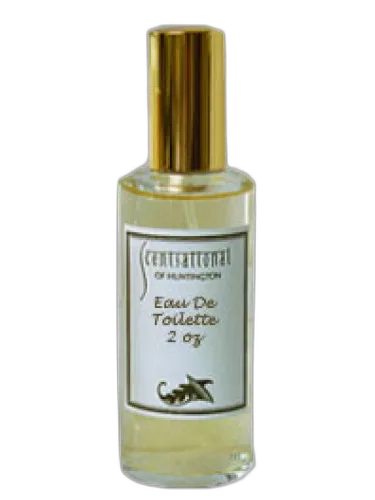
Scentsational of Huntington
Cupcake Scentsational Of Huntington
Shared accords: sweet

Farmhouse Fresh
Whoopie! Farmhouse Fresh
Shared accords: sweet