
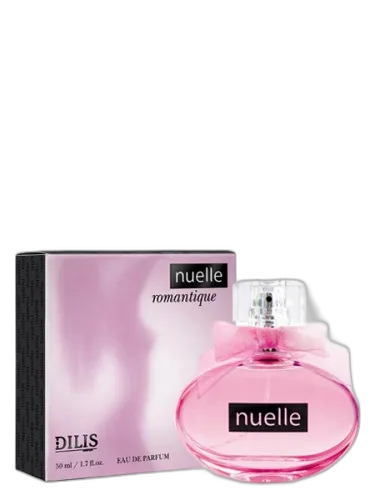
Nuelle Romantique Dilís Parfum
At a glance
Is Nuelle Romantique Dilís Parfum worth trying?
Nuelle Romantique by Dilís Parfum is a Floral Fruity fragrance for women.
- Best match
- Evening wear in Spring
- Zodiac
- Best for Virgo
- Performance feel
- Very Good longevity with Moderate sillage
- Signature profile
- fruity, fresh, sweet with Lime, Lemon, Green Apple
The first impression
Nuelle Romantique by Dilís Parfum is a Floral Fruity fragrance for women. Nuelle Romantique was launched in 2012. Top notes are Lime and Lemon; middle notes are Green Apple, Praline and Peony; base notes are Apple Tree, Cedar and Musk.
What shapes the scent
The perfumer behind it

Dilís Parfum
Dilís Parfum specializes in creating fragrances that capture the essence of romance and natural beauty. Nuelle Romantique and Scandinavia highlight the brand’s ability to blend delicate florals with earthy, evocative notes. Their scents are designed to transport the wearer to serene and enchanting landscapes. Dilís Parfum’s creations are celebrated for their poetic and immersive qualities.
Notes pyramid
Top Notes
First impression · 15-30 min
 Lime
Lime
 Lemon
Lemon
Heart Notes
Core character · 2-4 hours
 Green Apple
 Praline
 Peony
Peony
Base Notes
Lasting impression · 4+ hours
 Apple Tree
 Cedar
Cedar
 Musk
Musk
The mood it creates
The Lover Archetype: Portrait of Nuelle Romantique Dilís Parfum
Essence
This person is most closely aligned with The Lover-an archetype defined by passion, sensuality, and a deep yearning for beauty in all forms. The Lover does not merely seek romance in the traditional sense; they are drawn to the poetic, the evocative, the intoxicating. Nuelle Romantique Dilís, with its lush florals and delicate warmth, is their olfactory manifesto-a scent that whispers of whispered confessions, candlelit rooms, and the bittersweet ache of longing.
They do not wear perfume; they embody it. The fragrance is not an accessory but an extension of their soul-an invisible veil that drapes over their presence, leaving traces of mystery and allure.
Shadow
Yet, like all archetypes, The Lover has its shadow. Their devotion to beauty can tip into escapism-they may romanticize people and situations to the point of self-deception. They are prone to nostalgia, sometimes clinging to a past love or an unattainable ideal rather than facing the imperfect present.
Their intensity, while alluring, can also be overwhelming. They may struggle with emotional volatility, swinging between euphoria and despair when reality fails to match their dreams. Relationships can suffer if they demand the same poetic fervor from their partners-not everyone is equipped to live inside a sonnet.
At their worst, they risk becoming the tragic romantic-the one who mistakes suffering for depth, who lingers too long in the bittersweet ache of what could have been.
Conclusion
Their world is one of heightened sensation. They surround themselves with textures that beg to be touched-velvet drapes, silk scarves, the worn leather of a beloved book. Their home is a sanctuary of curated beauty: fresh flowers in hand-blown glass vases, flickering candles casting shadows on antique mirrors, a record player spinning Chopin or Billie Holiday. They do not merely exist; they inhabit their surroundings with an almost theatrical awareness.
Their style is deliberate, blending vintage elegance with modern ease. They favor flowing fabrics, deep jewel tones, and delicate jewelry-perhaps an heirloom locket or a signet ring engraved with a forgotten lover’s initials. Their wardrobe is less about trends and more about feeling-each piece chosen for its ability to evoke a mood, a memory, a fantasy.
Philosophically, they reject the cold pragmatism of the modern world. They believe in the transformative power of beauty, in the sacredness of fleeting moments. To them, life is not a series of tasks to be completed but a tapestry of impressions to be savored. They are drawn to poets like Rilke and Neruda, to painters like Klimt and Mucha-artists who understood that ecstasy and melancholy are two sides of the same coin.
If you like this, try these
Fragrances with a comparable profile - shared accords, notes, and character.
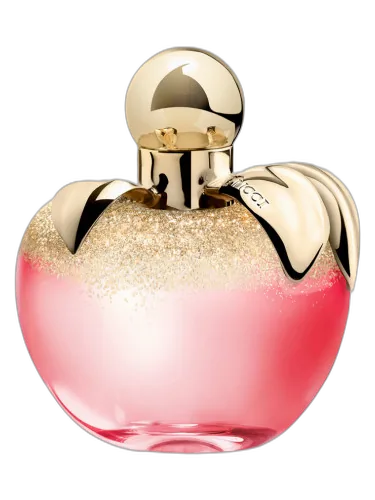
Nina Ricci
Nina Holiday Edition 2019 Nina Ricci
Shared top notes: lemon, lime
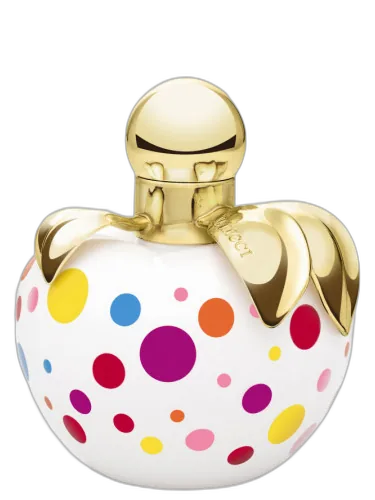
Nina Ricci
Nina Pop Nina Ricci
Shared top notes: lemon, lime
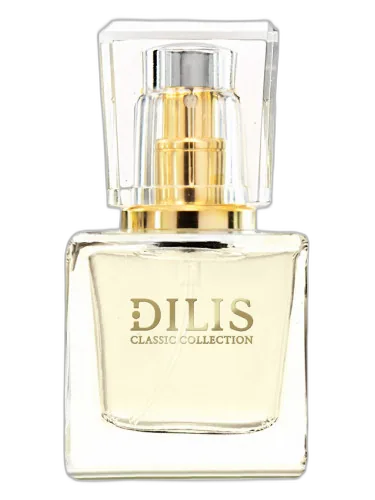
Dilís Parfum
Dilis Classic Collection No. 13 Dilís Parfum
Shared top notes: lemon, lime
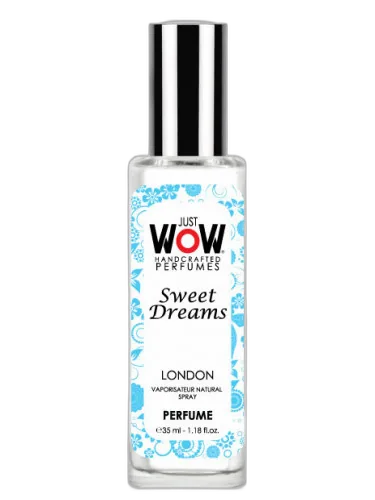
Croatian Perfume House
Just Wow Sweet Dreams Croatian Perfume House
Shared top notes: lemon, lime
Guy Bouchara
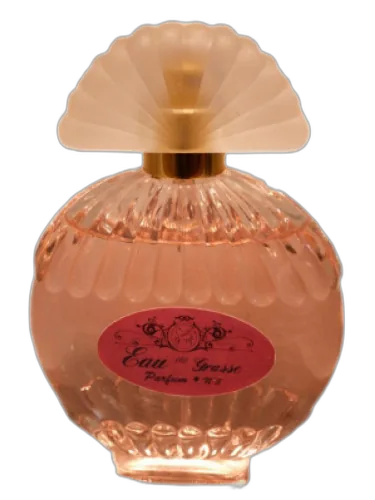
Eau De Grasse No 3 Guy Bouchara
Shared top notes: lemon, lime