
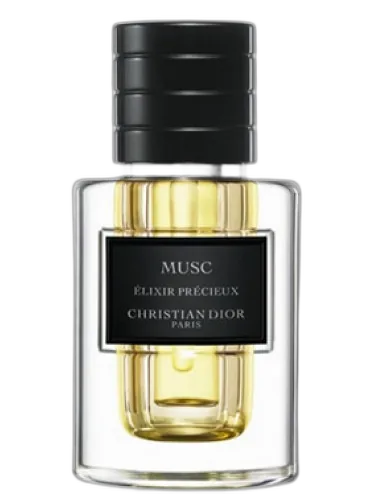

Musc Elixir Precieux Dior
At a glance
Is Musc Elixir Precieux Dior worth trying?
Musc Elixir Precieux by Dior is a Woody Floral Musk fragrance for women and men.
- Best match
- Evening wear in Fall
- Performance feel
- Excellent longevity with Strong sillage
- Signature profile
- musky, powdery with Musk
The first impression
Musc Elixir Precieux by Dior is a Woody Floral Musk fragrance for women and men. Musc Elixir Precieux was launched in 2014. The nose behind this fragrance is François Demachy.
What shapes the scent
The perfumer behind it

François Demachy
François Demachy is a renowned French perfumer best known for his long tenure as the in-house perfumer for Dior, but he has also created extensively for Acqua di Parma. His work for Acqua di Parma includes the Blu Mediterraneo line, such as Arancia La Spugnatura and Mirto Di Panarea, as well as luxury leather and oud compositions. Demachy's style is characterized by classic elegance, natural ingredients, and a mastery of Mediterranean and woody accords.
Notes pyramid
All Notes
Complete scent profile
 Musk
Musk
The mood it creates
The Lover Archetype: Portrait of Musc Elixir Precieux Dior
Essence
The one who chooses Musc Elixir Precieux Dior is ruled by the Lover archetype, though not in the simplistic sense of romantic infatuation. This is a person who seeks-and exudes-intensity in all things. They are drawn to the richness of experience, the tactile, the sensual, the deeply felt. The fragrance itself, with its opulent musk, powdery warmth, and velvety depth, mirrors their inner world: a place where pleasure is not frivolous but sacred, where beauty is not superficial but a language of the soul.
They are not merely hedonists, though they may be mistaken for such. Their pursuit of beauty is a form of devotion, a way of touching the sublime. They do not merely wear a scent-they commune with it, allowing it to shape their presence, their aura.
Shadow
Yet, like all archetypes, the Lover has its darkness. Their devotion to beauty can tip into obsession-chasing the perfect moment, the perfect scent, the perfect love, only to find that perfection is a mirage. They may grow restless, always seeking the next intoxication, the next thrill, mistaking novelty for transcendence.
Their sensuality, when unbalanced, can become indulgence. They may lose themselves in the pursuit of pleasure, mistaking intensity for truth. And in love, they risk either idealizing their partners beyond reality or discarding them when the initial enchantment fades.
Conclusion
Their tastes are refined but never sterile. They prefer the tactile luxury of cashmere over cold minimalism, the weight of gold jewelry over austere metals, the texture of aged paper over the glare of screens. They surround themselves with objects that tell stories-antique perfume bottles, well-worn books, a collection of handwritten letters tied in ribbon. Their home is not a showroom but a sanctuary, layered with textures, scents, and memories.
Philosophically, they reject the notion that depth must be joyless. They believe in the intelligence of the senses, in the wisdom of the body. Pleasure, for them, is not an escape from meaning but a path to it. They might quote Nietzsche: "The belly is the reason man does not so readily take himself for a god." They understand that to deny the flesh is to deny life itself.
In relationships, they are magnetic but not indiscriminate. They do not love easily, but when they do, it is with an almost mythic intensity. Their affections are not given lightly; they are earned through shared depth, through the unspoken recognition of another soul who also worships at the altar of the real, the felt, the lived.
If you like this, try these
Fragrances with a comparable profile - shared accords, notes, and character.
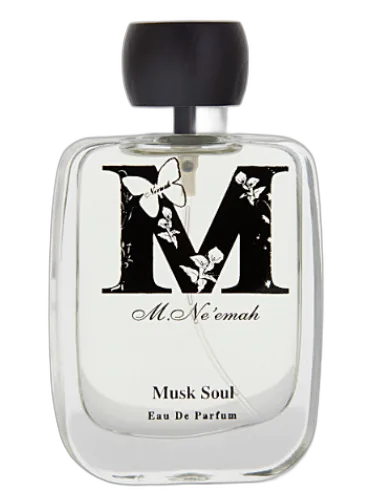
Ne'emah For Fragrance & Oudh
Musk Soul Ne'emah For Fragrance & Oudh
Shared top notes: musk
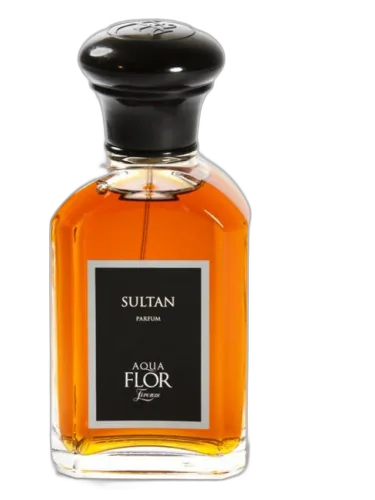
Aquaflor Firenze
Sultan Aquaflor Firenze
Shared top notes: musk
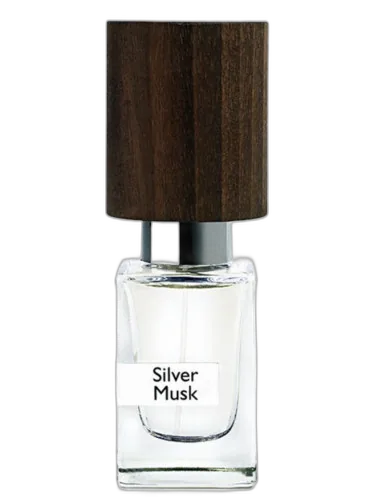
Nasomatto
Silver Musk Nasomatto
Shared top notes: musk

AXE
Denim Axe
Shared top notes: musk

CB I Hate Perfume
Cbmusk Cb I Hate Perfume
Shared top notes: musk