
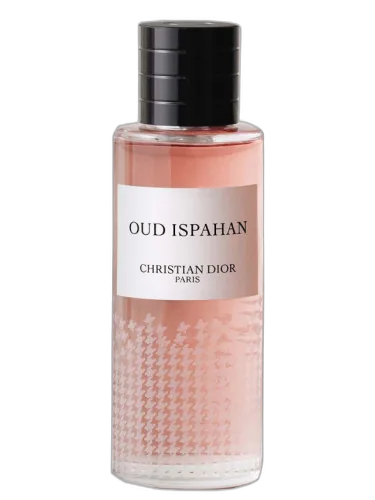

Oud Ispahan New Look Limited Edition Dior
At a glance
Is Oud Ispahan New Look Limited Edition Dior worth trying?
Oud Ispahan New Look Limited Edition by Dior is a Oriental Woody fragrance for women and men.
- Best match
- Evening wear in Fall
- Performance feel
- Excellent longevity with Strong sillage
- Signature profile
- rose, oud, amber with Smoke, Labdanum, Rose
The first impression
Oud Ispahan New Look Limited Edition by Dior is a Oriental Woody fragrance for women and men. This is a new fragrance. Oud Ispahan New Look Limited Edition was launched in 2022. The nose behind this fragrance is François Demachy. Top notes are Smoke and Labdanum; middle notes are Rose and Patchouli; base notes are Agarwood (Oud), Myrrh and Sandalwood.
What shapes the scent
The perfumer behind it

François Demachy
François Demachy is a renowned French perfumer best known for his long tenure as the in-house perfumer for Dior, but he has also created extensively for Acqua di Parma. His work for Acqua di Parma includes the Blu Mediterraneo line, such as Arancia La Spugnatura and Mirto Di Panarea, as well as luxury leather and oud compositions. Demachy's style is characterized by classic elegance, natural ingredients, and a mastery of Mediterranean and woody accords.
Notes pyramid
Top Notes
First impression · 15-30 min
 Smoke
Smoke
 Labdanum
Heart Notes
Core character · 2-4 hours
 Rose
Rose
 Patchouli
Base Notes
Lasting impression · 4+ hours
 Agarwood (Oud)
 Myrrh
Myrrh
 Sandalwood
The mood it creates
The Alchemist Archetype: Portrait of Oud Ispahan New Look Limited Edition Dior
Essence
This person is most closely aligned with the Ruler archetype-a figure of control, refinement, and authority. The Ruler does not merely seek power for dominance but for the sake of shaping their world into something more elegant, more deliberate. Oud Ispahan New Look Limited Edition Dior is not a fragrance for the uncertain; it is a scent of deep, resinous confidence, a declaration of presence without the need for loudness. The wearer of this fragrance understands that true influence is not seized but cultivated, like the slow, deliberate burn of oud itself.
Relationships
They do not surround themselves with many, but those they keep close are held in high regard. Their relationships are built on mutual respect, not dependency. They are not the type to indulge in idle gossip or casual friendships; every bond must have depth, meaning, or at least intellectual stimulation.
Romantically, they are drawn to those who match their intensity-not necessarily in temperament, but in presence. A partner who is merely decorative will bore them; they crave someone who can engage in the silent dialogue of shared aesthetics, someone who understands that love, like oud, is best when it lingers.
Shadow
Yet, the Ruler’s strength is also their weakness. Their desire for control can curdle into rigidity. They may mistake their own tastes for universal truths, dismissing what does not align with their vision as inferior. There is a danger of becoming a connoisseur of life rather than a participant-so preoccupied with perfection that they forget the beauty of spontaneity.
Their greatest flaw is not arrogance but isolation. The very walls they build to protect their refined world can become a gilded cage. If unchecked, they may grow impatient with those who do not meet their standards, withdrawing into a self-made kingdom where they reign alone.
Conclusion
Their tastes are exacting, not out of snobbery but from a belief that life should be composed with intention. They favor tailored garments-structured but never stiff, fabrics that whisper rather than shout. Their home is a sanctuary of contrasts: dark woods against pale stone, modern art beside antique heirlooms. They do not follow trends; they absorb and refine them, distilling what is fleeting into something timeless.
Philosophically, they believe in the alchemy of self-creation. They do not accept fate as something imposed but as something shaped. Their values are rooted in discipline-not the rigid kind that suffocates, but the kind that allows for the fullest expression of self. They respect tradition but are not bound by it; they see rules as frameworks, not chains.
If you like this, try these
Fragrances with a comparable profile - shared accords, notes, and character.
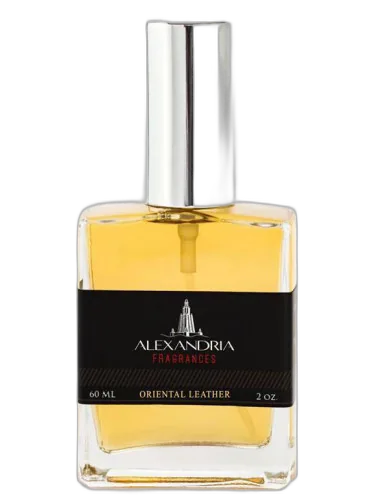
Alexandria Fragrances
Oriental Leather Alexandria Fragrances
Shared top notes: labdanum
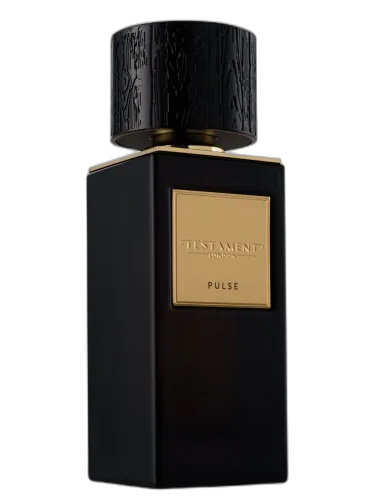
Testament London
Pulse Testament London
Shared top notes: smoke
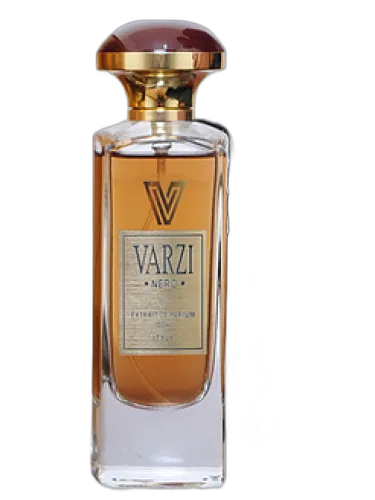
Varzi Artisanal Perfume
Nero Varzi Artisanal Perfume
Shared top notes: labdanum

Violetta Paris
Valentina Violetta Paris
Shared top notes: labdanum
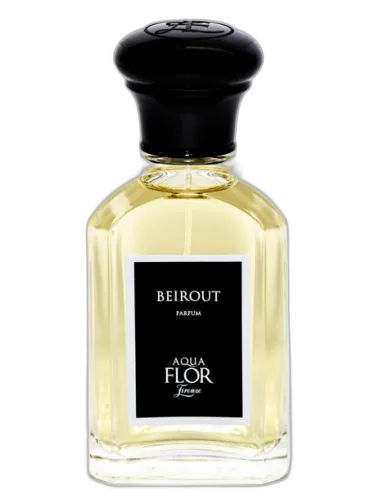
Aquaflor Firenze
Beirout Aquaflor Firenze
Shared heart notes: patchouli, rose