
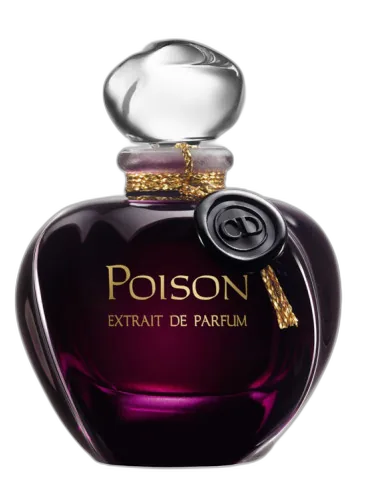

Poison Extrait De Parfum Dior
At a glance
Is Poison Extrait De Parfum Dior worth trying?
Poison Extrait de Parfum by Dior is a Oriental Floral fragrance for women.
- Best match
- Evening wear in Fall
- Performance feel
- Excellent longevity with Strong sillage
- Signature profile
- tuberose, vanilla, white floral with Tuberose, Coriander, Vanilla
The first impression
Poison Extrait de Parfum by Dior is a Oriental Floral fragrance for women. Poison Extrait de Parfum was launched in 2014. The nose behind this fragrance is François Demachy.
What shapes the scent
The perfumer behind it

François Demachy
François Demachy is a renowned French perfumer best known for his long tenure as the in-house perfumer for Dior, but he has also created extensively for Acqua di Parma. His work for Acqua di Parma includes the Blu Mediterraneo line, such as Arancia La Spugnatura and Mirto Di Panarea, as well as luxury leather and oud compositions. Demachy's style is characterized by classic elegance, natural ingredients, and a mastery of Mediterranean and woody accords.
Notes pyramid
All Notes
Complete scent profile
 Tuberose
 Coriander
 Vanilla
 May Rose
The mood it creates
The Lover Archetype: Portrait of Poison Extrait De Parfum Dior
Essence
The person who wears Poison Extrait De Parfum by Dior is not merely drawn to fragrance-they are drawn to transformation. This is the essence of the Sorceress archetype, a figure who wields allure as power, who understands that scent is not just an adornment but a spell. The Sorceress does not ask for attention; she commands it, bending the atmosphere to her will with the dark, hypnotic richness of tuberose, plum, and vanilla. She is neither innocent nor cruel, but she is deliberate-every choice, from the way she dresses to the way she speaks, is an act of alchemy.
Style & Aesthetic
Her tastes are decadent but never vulgar. She prefers deep reds, velvety blacks, and the occasional flash of gold-colors that mirror the opulence of Poison. Her wardrobe is a curated arsenal: tailored blazers with sharp lines, silk dresses that cling just enough, and statement jewelry that suggests old-world aristocracy. She does not follow trends; she subverts them.
In art, she is drawn to the Baroque-Caravaggio’s chiaroscuro, the drama of light and shadow. In music, she favors Nina Simone’s smoky defiance or the haunting strings of a film noir score. She reads Baudelaire and Anaïs Nin, not for their eroticism alone, but for their unflinching gaze into the abyss of desire.
Her home is a sanctuary of dim lighting, heavy drapes, and antique mirrors. She collects vintage perfume bottles, not as decorations, but as relics of past enchantments. She hosts intimate gatherings where the wine is always excellent, the conversation sharper.
Professionally, she thrives in fields that reward cunning-law, high finance, the arts. She is not a team player but a strategist, often rising to power by outmaneuvering those who underestimate her.
Philosophy & Values
She does not believe in fate-she believes in influence. Her philosophy is one of controlled magnetism: the world is a stage, and she is both actor and director. She values intelligence over virtue, presence over kindness. To her, charm is not a social nicety but a survival tactic.
Yet beneath this calculated exterior lies a paradox: she despises weakness but is drawn to those who are broken, seeing in them a reflection of her own hidden fractures. She may rescue a lover from ruin, only to discard them once they bore her. Her generosity is real, but it is never unconditional.
Relationships
She does not love easily, but when she does, it is with a ferocity that borders on obsession. Her relationships are intense, theatrical-full of whispered confessions and sudden silences. She is drawn to those who match her intellect, who challenge her rather than submit.
Yet here lies her shadow: the fear of being truly known. She may push others away before they can see her vulnerability, leaving a trail of bewildered admirers in her wake. She is capable of deep loyalty, but only to those who prove themselves worthy-a test few pass.
Shadow
For all her brilliance, she is not immune to self-destruction. Her greatest flaw is hubris-the belief that she can control every outcome. When her manipulations backfire, she spirals into cold detachment or reckless indulgence. She may drown her disillusionment in excess, forgetting that even sorceresses are mortal.
Yet this darkness is also her fuel. Without it, she would be merely elegant, not extraordinary. Poison is her armor, but it is also her mirror-a reminder that beauty and danger are inseparable.
Conclusion
She is neither saint nor villain, but a force of nature. To love her is to walk a knife’s edge-exhilarating, perilous, unforgettable. She wears Poison because it is not just a fragrance; it is a declaration: I am not here to be understood. I am here to be remembered.
If you like this, try these
Fragrances with a comparable profile - shared accords, notes, and character.
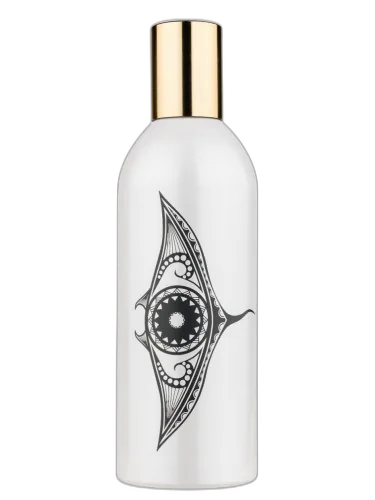
Maori Collection
Freedom Wave Maori Collection
Shared top notes: tuberose, vanilla
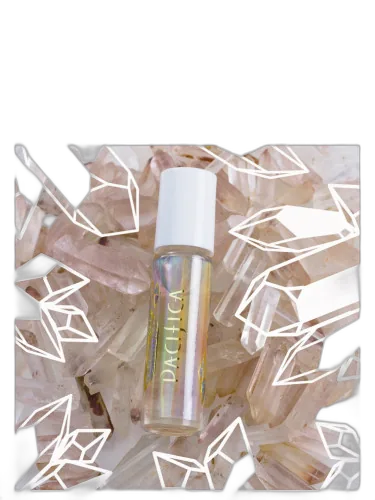
Pacifica
Hardcore Happy Pacifica
Shared top notes: tuberose, vanilla
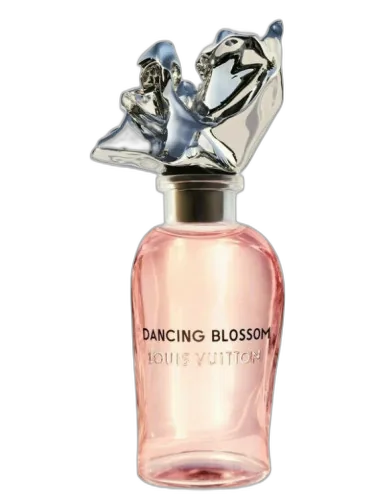
Louis Vuitton
Dancing Blossom Louis Vuitton
Shared top notes: may rose, tuberose
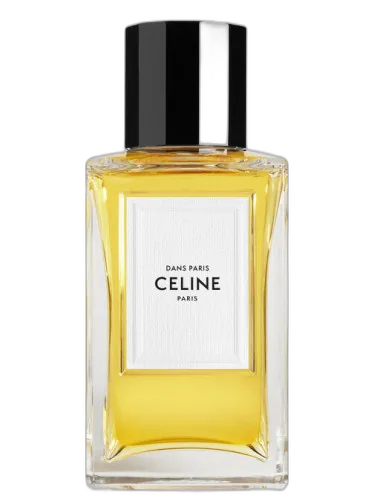
Celine
Dans Paris Celine
Shared top notes: coriander, vanilla
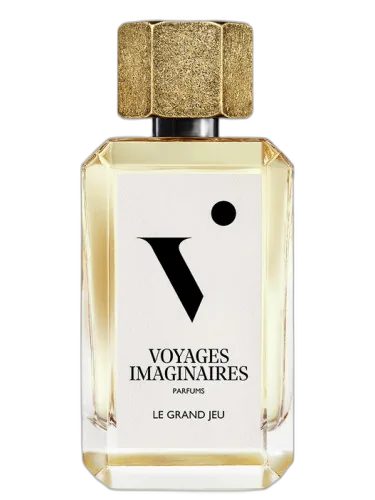
Voyages Imaginaires
Le Grand Jeu Voyages Imaginaires
Shared top notes: tuberose, vanilla