
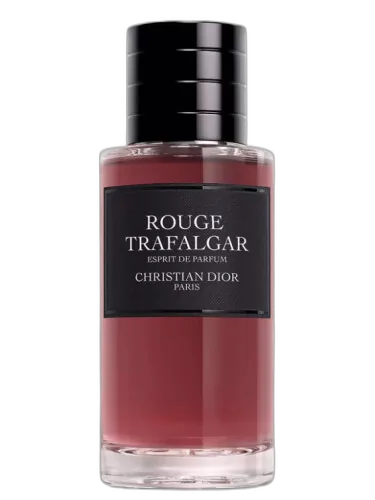

Rouge Trafalgar Esprit De Parfum Dior
At a glance
Is Rouge Trafalgar Esprit De Parfum Dior worth trying?
Rouge Trafalgar Esprit De Parfum by Dior is a Floral Fruity fragrance for women and men.
- Best match
- Evening wear in Fall
- Performance feel
- Very Good longevity with Strong sillage
- Signature profile
- fruity, sweet, rose with Cherry, Pink Pepper, Bulgarian Rose
The first impression
Rouge Trafalgar Esprit De Parfum by Dior is a Floral Fruity fragrance for women and men. This is a new fragrance. Rouge Trafalgar Esprit De Parfum was launched in 2024. The nose behind this fragrance is Francis Kurkdjian. Top notes are Cherry and Pink Pepper; middle notes are Bulgarian Rose and Turkish Rose; base note is Red Fruits.
What shapes the scent
The perfumer behind it

Francis Kurkdjian
Francis Kurkdjian is a renowned French perfumer and founder of Maison Francis Kurkdjian. He has created fragrances for many brands including Acqua di Parma, Armand Basi, Baccarat, Burberry, and Blumarine. His work includes the celebrated Baccarat Rouge 540 and Iris Nobile 10th Anniversary Special Edition. He is known for his technical mastery and innovative use of ingredients.
Notes pyramid
Top Notes
First impression · 15-30 min
 Cherry
 Pink Pepper
Heart Notes
Core character · 2-4 hours
 Bulgarian Rose
Turkish Rose
Bulgarian Rose
Turkish Rose
Base Notes
Lasting impression · 4+ hours
 Red Fruits
The mood it creates
The Lover Archetype: Portrait of Rouge Trafalgar Esprit De Parfum Dior
Essence
Rouge Trafalgar Esprit De Parfum Dior is a fragrance of contrasts-juicy yet refined, playful yet sophisticated, a paradox of ripe berries and velvety woods. The person who chooses this scent does not merely wear it; they embody it. Their essence is one of sensuality, passion, and an unapologetic embrace of life’s pleasures. They are, above all, The Lover-an archetype defined by deep emotional engagement, aesthetic devotion, and a magnetic pull toward beauty in all its forms.
Style & Aesthetic
This person moves through the world with an artist’s eye, seeking out beauty in the curve of a wine glass, the texture of silk against skin, the way light filters through autumn leaves. Their style is deliberate-luxurious but never ostentatious, sensual but never vulgar. They favor rich fabrics, bold colors that whisper rather than scream, and accessories that hint at a story rather than declare it outright. Their home is a sanctuary of curated objects: a well-worn leather-bound book, a vase of peonies in full bloom, a record player spinning jazz or French chanson.
They do not merely consume beauty; they create it. Perhaps they paint, write poetry, or craft exquisite meals-not for fame, but because creation is an act of devotion. Their philosophy is simple: life is too short for the mediocre.
Philosophy & Values
For them, pleasure is not indulgence but a form of wisdom. They believe that to deny the body is to deny the soul, and so they savor-slow sips of aged whiskey, the weight of a lover’s hand in theirs, the scent of rain on warm pavement. They are Epicureans in the truest sense, understanding that joy is fleeting but no less vital for its impermanence.
Yet this devotion to beauty is not frivolous. It is a rebellion against the gray pragmatism of the modern world. They refuse to reduce life to mere function; for them, every moment is an opportunity for transcendence.
Relationships
In love, they are both giver and seeker. They do not love lightly; when they commit, it is with a depth that can be overwhelming. Their relationships are intense, textured-full of whispered secrets, shared sunsets, and the kind of intimacy that borders on the sacred. They are generous lovers, attuned to the subtlest shifts in mood, the unspoken desires of their partner.
But here lies the shadow: their need for emotional intensity can tip into possessiveness. They fear the mundane, the slow erosion of passion, and so they may cling too tightly or mistake drama for depth. Their greatest challenge is learning that love does not always have to burn-it can also glow.
Shadow
The Lover’s weakness is excess. They can become lost in their own desires, mistaking hedonism for fulfillment. There are moments when the wine is too much, the late nights too frequent, the heart too reckless. They may fall into cycles of idealization and disillusionment-projecting fantasies onto people, only to resent them for being human.
Their other danger is passivity. The Lover can become so enamored with beauty that they forget to act. They may linger in the realm of dreams, waiting for life to match their vision, rather than shaping it themselves.
Conclusion
Yet at their best, this person is a reminder that to be fully alive is to be fully awake-to the scent of roses, the warmth of skin, the bittersweet ache of a perfect moment slipping away. They teach us that pleasure is not a distraction from meaning but a form of it.
They are not without flaws, but their flaws are the price of their brilliance. And in the end, they would rather burn brightly than fade into the dullness of an unfeeling world.
If you like this, try these
Fragrances with a comparable profile - shared accords, notes, and character.
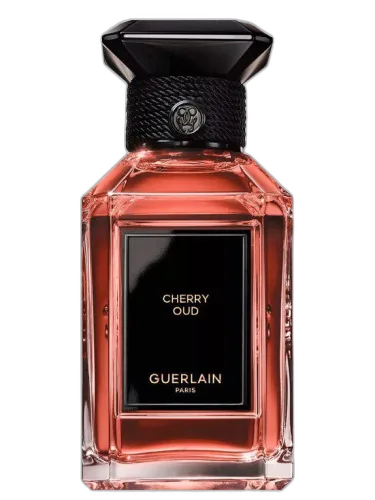
Guerlain
Cherry Oud Guerlain
Shared top notes: cherry
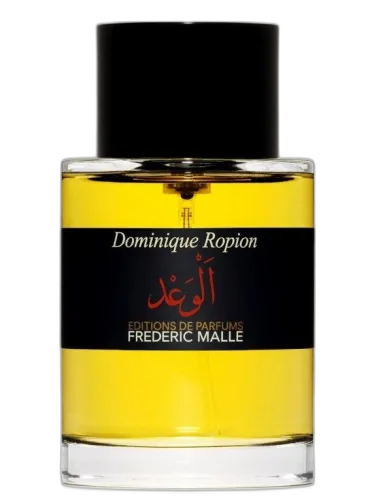
Frederic Malle
Promise Frederic Malle
Shared top notes: pink pepper
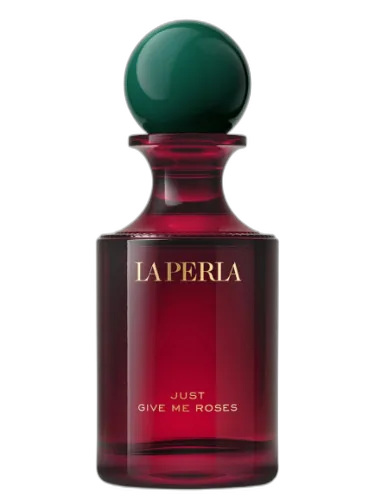
La Perla
Just Give Me Roses La Perla
Shared top notes: pink pepper
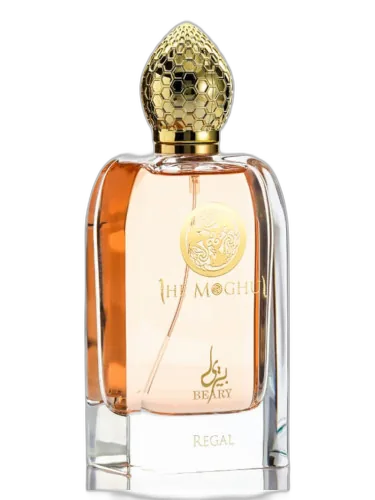
Beary
Regal Beary
Shared heart notes: bulgarian rose, turkish rose
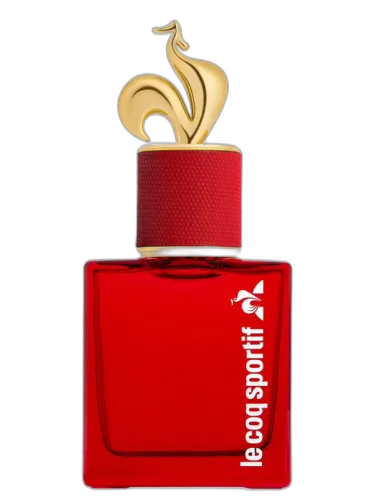
Le Coq Sportif
Rouge Energie Le Coq Sportif
Shared top notes: cherry, pink pepper