


Vanilla Diorama Dior
At a glance
Is Vanilla Diorama Dior worth trying?
Vanilla Diorama by Dior is a Oriental Vanilla fragrance for women and men.
- Best match
- Evening wear in Winter
- Performance feel
- Excellent longevity with Strong sillage
- Signature profile
- warm spicy, vanilla, woody with Orange, Pink Pepper, Lemon
The first impression
Vanilla Diorama by Dior is a Oriental Vanilla fragrance for women and men. Vanilla Diorama was launched in 2021. The nose behind this fragrance is François Demachy. Top notes are Orange, Pink Pepper and Lemon; middle notes are Rum, Cacao and Cardamom; base notes are Bourbon Vanilla, Sandalwood and Patchouli.
What shapes the scent
The perfumer behind it

François Demachy
François Demachy is a renowned French perfumer best known for his long tenure as the in-house perfumer for Dior, but he has also created extensively for Acqua di Parma. His work for Acqua di Parma includes the Blu Mediterraneo line, such as Arancia La Spugnatura and Mirto Di Panarea, as well as luxury leather and oud compositions. Demachy's style is characterized by classic elegance, natural ingredients, and a mastery of Mediterranean and woody accords.
Notes pyramid
Top Notes
First impression · 15-30 min
 Orange
 Pink Pepper
 Lemon
Lemon
Heart Notes
Core character · 2-4 hours
 Rum
Cacao
Rum
Cacao
 Cardamom
Base Notes
Lasting impression · 4+ hours
Bourbon Vanilla
 Sandalwood
 Patchouli
The mood it creates
The Innocent Archetype: Portrait of Vanilla Diorama Dior
Essence
The person who cherishes Vanilla Diorama by Dior is most closely aligned with the Caregiver archetype, though they embody it with an undercurrent of sensuality and quiet power. This fragrance-warm, enveloping, and subtly opulent-mirrors their essence: a blend of comfort and sophistication, tenderness and depth. The vanilla here is not cloying or juvenile, but rich, almost smoky, with hints of spice and leather-an invitation to intimacy rather than mere sweetness.
They are the kind of soul who draws people in without effort, offering solace through presence alone. Their warmth is magnetic, but not indiscriminate; they choose where to bestow their energy carefully, for they understand its weight. Their nurturing instinct is not born of obligation, but of a deep-seated belief that tenderness is a form of strength.
Relationships
They do not collect friends; they cultivate bonds. Their relationships are deep, slow-burning, built on mutual vulnerability. When they love, they do so fiercely, but they are not possessive-their affection is a gift, not a chain. Romantic partners are drawn to their effortless allure, the way they make even ordinary moments feel sacred. Yet, they are selective, for they know that not everyone can appreciate the weight of their devotion.
In friendships, they are the steady hand, the one who remembers birthdays but also the unspoken hurts. They listen more than they speak, and when they do speak, their words carry weight. But they are not a passive presence-they challenge those they love, pushing them toward growth with the same quiet determination they apply to their own life.
Shadow
Yet, no archetype is without its shadow. The Caregiver, when unbalanced, risks slipping into martyrdom. There are moments when they give until they are hollow, then resent those who do not reciprocate. Their kindness, usually boundless, can curdle into passive aggression-a sigh too heavy, a glance too pointed. They may bury their needs beneath layers of service, only to later wonder why they feel unseen.
Worse still, they sometimes mistake self-neglect for virtue. They may pride themselves on their endurance, wearing exhaustion like a badge of honor, forgetting that even the warmest hearth needs fuel to keep burning. If unchecked, their nurturing instinct can become a cage-both for themselves and for those they love, who may feel smothered by their relentless care.
Conclusion
Their tastes are refined but never ostentatious. They prefer understated elegance-cashmere over sequins, well-worn books over flashy bestsellers, dimly lit rooms with candles rather than harsh overhead lights. Their home is a sanctuary, filled with textures that beg to be touched: velvet cushions, hand-thrown ceramics, the faintest trace of incense lingering in the air. They cook not just to feed, but to commune, measuring spices by instinct, knowing that a meal shared is more than sustenance-it is an act of love.
Philosophically, they believe in the quiet revolutions: the power of a held hand, the way a well-timed silence can unravel defenses. They are not naive-they know the world is harsh-but they refuse to let that harden them. Their values are rooted in reciprocity; they give freely but expect respect in return, and they withdraw when their generosity is taken for granted.
If you like this, try these
Fragrances with a comparable profile - shared accords, notes, and character.
Renoir Parfums
Vanille Diabolique Renoir Parfums
Shared top notes: orange, pink pepper
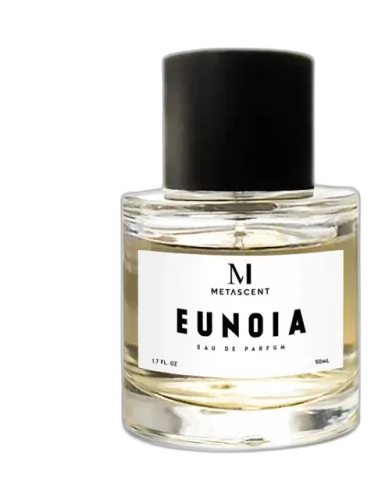
MetaScent
Eunoia Metascent
Shared top notes: lemon, orange

Roja Dove
Parfum De La Nuit No 2 Roja Dove
Shared top notes: lemon, orange

Jaguar
Jaguar Vision Sport Jaguar
Shared top notes: lemon, orange, pink pepper

Esquisse Parfum
Advent Esquisse Parfum
Shared top notes: lemon, orange