


Kyoto Diptyque
At a glance
Is Kyoto Diptyque worth trying?
Kyoto by Diptyque is a Floral fragrance for women and men.
- Best match
- Evening wear in Fall
- Performance feel
- Good longevity with Moderate sillage
- Signature profile
- rose, earthy, woody with Beetroot, Vetiver, Turkish Rose
The first impression
Kyoto by Diptyque is a Floral fragrance for women and men. Kyoto was launched in 2021. The nose behind this fragrance is Alexandra Carlin.
What shapes the scent
The perfumer behind it

Alexandra Carlin
Alexandra Carlin is a French perfumer who has worked with major houses including Amouage and Affinessence. Her style often balances rich, textured materials like leather and spices with unexpected softness, as seen in Cuir Curcuma and Santal Basmati. She has created several notable Amouage fragrances, including the elegant Dia 40 Woman and the opulent Honour 43 Woman.
Notes pyramid
All Notes
Complete scent profile
 Beetroot
 Vetiver
 Turkish Rose
 Incense
The mood it creates
The Sage Archetype: Portrait of Kyoto Diptyque
Essence
To wear Kyoto by Diptyque is to embrace a fragrance that is contemplative, refined, and quietly profound-much like the person who chooses it. This scent, with its blend of incense, vetiver, and cypress, evokes the stillness of a Zen garden, the hushed reverence of a temple at dusk. The wearer is drawn to the interplay of shadow and light, both in fragrance and in life. They are not one for ostentation; their presence is subtle, yet unmistakable.
This individual embodies the Sage archetype-the seeker of wisdom, the observer who values knowledge, introspection, and the quiet mastery of self. They are not merely intelligent, but deeply perceptive, attuned to the undercurrents of meaning in people, art, and the world around them. Their mind is a sanctuary, a place where ideas are examined with the precision of a scholar and the patience of a monk.
Style & Aesthetic
Their tastes are deliberate, bordering on the ascetic, yet never devoid of beauty. They prefer minimalist design-clean lines, natural textures, spaces that breathe rather than suffocate. Their wardrobe is understated, favoring muted tones and fabrics that whisper rather than shout. They might wear a well-tailored linen shirt, a single piece of meaningful jewelry, or a watch that tells time with quiet authority.
Philosophically, they are drawn to stoicism, Zen Buddhism, or existentialism-systems that prize self-awareness, detachment from frivolity, and the pursuit of inner truth. They do not chase happiness in the conventional sense; they seek clarity. Their values revolve around authenticity, intellectual rigor, and the disciplined refinement of character. Superficiality repels them, and they have little patience for small talk or social posturing.
In relationships, they are selective. They do not collect friends, but cultivate few, deep connections. Their love is not effusive, but it is enduring-expressed in thoughtful gestures, shared silences, and the mutual respect of two minds meeting in understanding. They are not the life of the party, but the person you seek when you need wisdom, when you crave a conversation that lingers in your thoughts for days.
Shadow
Yet, like all archetypes, the Sage has its shadow. Their pursuit of wisdom can become a retreat from life itself-a cold detachment disguised as enlightenment. They may dismiss emotion as irrational, viewing vulnerability as weakness rather than humanity. Their love of solitude can harden into isolation, their discernment into judgment.
There is also the risk of intellectual arrogance. Having spent years honing their mind, they may grow impatient with those who do not share their depth, viewing them with quiet condescension. Their disdain for superficiality can become a refusal to engage with the messy, imperfect aspects of life-love, spontaneity, even joy.
Conclusion
The challenge for this person is to integrate wisdom with warmth, to allow their intellect to coexist with compassion. When they succeed, they become not just thinkers, but guides-those rare individuals who illuminate without overpowering, who teach not by lecturing, but by embodying what they know.
Their life is not one of grand gestures, but of quiet mastery-a slow, deliberate shaping of the self, like water carving stone over centuries. And in the scent of Kyoto, they find a mirror: the stillness of incense, the depth of vetiver, the enduring presence of cypress. It is not a fragrance for those who wish to be seen, but for those who wish to see.
If you like this, try these
Fragrances with a comparable profile - shared accords, notes, and character.
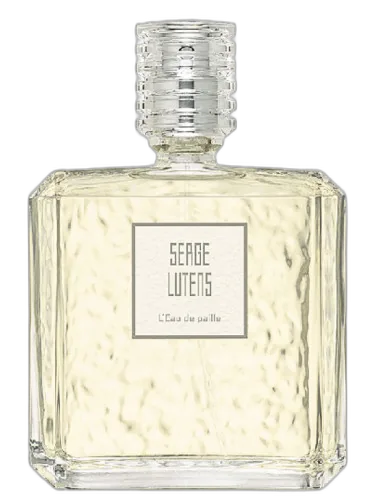
Serge Lutens
L'eau De Paille Serge Lutens
Shared top notes: incense, vetiver

Les EAUX Primordiales
Rosewood Superfluide Les Eaux Primordiales
Shared top notes: incense
Monreale
Vetyver Monreale
Shared top notes: incense, vetiver

Comme des Garcons
Comme Des Garcons Series 3 Incense: Kyoto Comme Des Garcons
Shared top notes: incense, vetiver

Natura
Amor América Palo Santo Natura
Shared top notes: incense, vetiver