
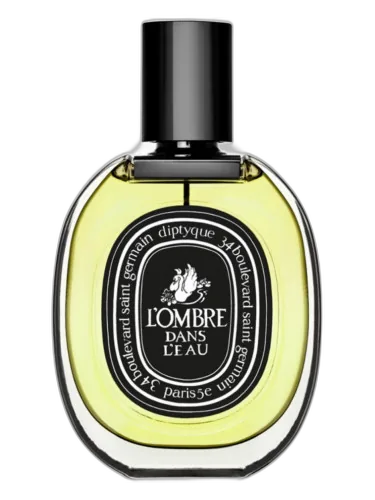
L’ombre Dans L’eau Eau De Parfum Diptyque
Fragrance Story
L’Ombre Dans L’Eau Eau de Parfum by Diptyque is a Floral fragrance for women and men. L’Ombre Dans L’Eau Eau de Parfum was launched in 2012. The nose behind this fragrance is Serge Kalouguine.
Composition Profile
About the Perfumer

Serge Kalouguine
Serge Kalouguine is a perfumer known for his contributions to Diptyque, including L'eau Trois, L'ombre Dans L'eau, and Olene. His work is characterized by poetic and nature-inspired compositions that blend floral, green, and aromatic notes. Kalouguine's fragrances are celebrated for their artistic and timeless appeal.
Fragrance Notes
All Notes
Complete scent profile
 Black currant leaf
 Rose
Rose
 Petitgrain
 Black Currant Blossom
Character Profile
The Enigmatic Dreamer Archetype: Portrait of L’ombre Dans L’eau Eau De Parfum Diptyque
Essence
This person is most closely aligned with the Mystic-a seeker of hidden truths, drawn to the liminal spaces between reality and imagination. The Mystic thrives in ambiguity, finding beauty in the unseen and the half-formed. L’Ombre Dans L’eau, with its haunting interplay of blackcurrant, rose, and damp greenery, mirrors their essence: a soul suspended between shadow and light, between the tangible and the ephemeral.
Relationships
They are magnetic but elusive, drawing others in with their depth yet maintaining an emotional reserve. Their closest bonds are with those who understand the value of silence, who do not demand explanations for their occasional retreats into solitude. Romantic partners are often artists, poets, or fellow wanderers-people who appreciate the poetry of absence as much as presence.
Yet this very allure contains its own shadow. Their reluctance to fully surrender to another can leave loved ones feeling like outsiders in their own intimacy. They may rationalize detachment as wisdom, but at times, it is simply fear-fear of being known too well, of losing the mystique that defines them.
Shadow
The Mystic’s strength-their ability to dwell in the in-between-can curdle into disconnection. When unbalanced, they risk becoming spectral, floating above life rather than engaging with it. Their love of mystery may devolve into avoidance, their poetic melancholy into self-indulgence. They might mistake obscurity for profundity, mistaking their own ambiguity for depth.
At their worst, they become the Hermit who refuses to return, hoarding their insights like precious jewels rather than sharing them. The world, after all, is messy and demanding-why step into its glare when one can remain in the cool, poetic half-light?
Conclusion
They move through the world with quiet intensity, as if perpetually attuned to an inner frequency others cannot hear. Their tastes are refined but never ostentatious-preferring the muted elegance of raw silk over glossy satin, the quiet melancholy of a Chopin nocturne over bombastic symphonies. Their home is a sanctuary of textures and shadows: worn leather books, dried botanicals in glass jars, the faintest trace of incense lingering in the air.
Philosophy is not an abstract exercise for them but a lived experience. They reject rigid dogma, instead embracing paradox-finding wisdom in contradictions, truth in ambiguity. They might quote Rilke: "Be patient toward all that is unsolved in your heart and try to love the questions themselves." Yet this love of mystery can sometimes become a refusal to commit, a reluctance to define themselves too clearly.
Similar Fragrances
Fragrances with a comparable profile - shared accords, notes, and character.
Diptyque
L’ombre Dans L’eau Eau De Parfum Diptyque
Shared accords: aromatic, citrus, floral
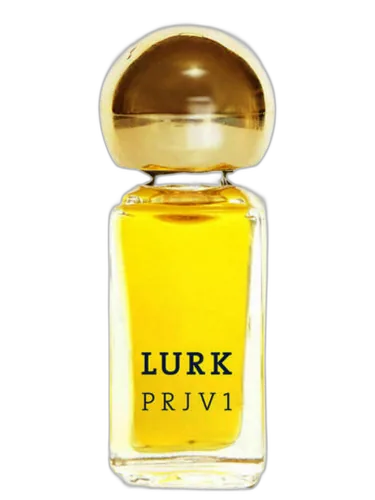
Lurk
Prj V1 Lurk
Shared accords: aromatic, citrus, floral
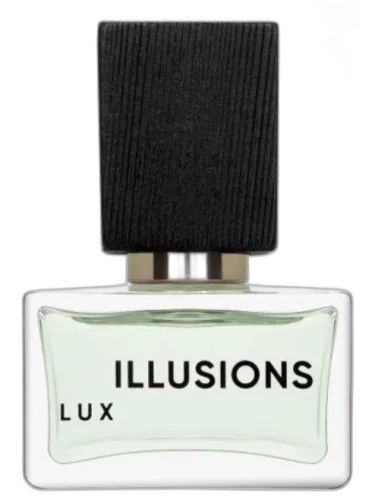
Brocard
Lux Brocard
Shared accords: aromatic, citrus, floral
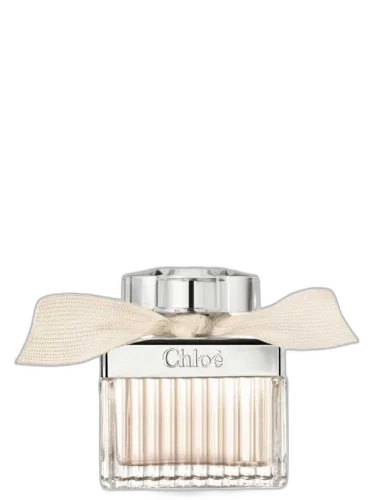
Chloé
Chloé Fleur De Parfum Chloé
Shared accords: aromatic, citrus, floral
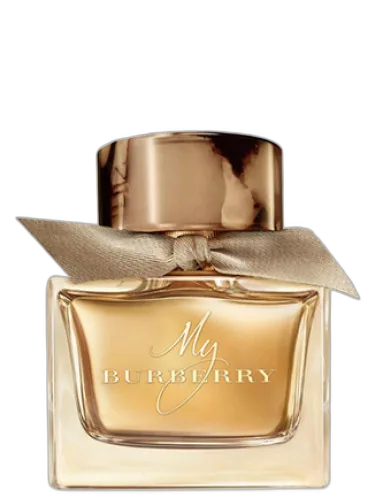
Burberry
My Burberry Burberry
Shared accords: aromatic, citrus, floral