
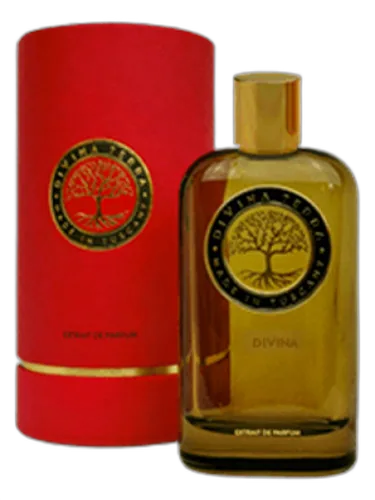
08 Per Sempre Divina Terra
At a glance
Is 08 Per Sempre Divina Terra worth trying?
08 Per Sempre by DiVina Terra is a fragrance for women and men.
- Best match
- Evening wear in Fall
- Performance feel
- Very Good longevity with Moderate sillage
- Signature profile
- woody, powdery, iris with Iris, Sandalwood, Violet
The first impression
08 Per Sempre by DiVina Terra is a fragrance for women and men. 08 Per Sempre was launched in 2020. The nose behind this fragrance is Paolo Terenzi. Top notes are Iris, Sandalwood and Violet; middle notes are Tonka Bean, Copaiba balm, Vanilla and Guayacan; base notes are Cedar, Musk, Ambergris, White Oud and Amyris.
What shapes the scent
The perfumer behind it

Paolo Terenzi
Paolo Terenzi is a perfumer known for his work with Antonio Croce, creating a range of fragrances including Ardente, Incantevole, Meraviglia, Perfetta, Sofisticata, Straordinaria, and Unica. He also composed 1+7 Extrait De Parfum for D'OTTO. Terenzi's style is characterized by bold, opulent compositions that often feature rich florals and warm resins.
Notes pyramid
Top Notes
First impression · 15-30 min
 Iris
Iris
 Sandalwood
 Violet
Heart Notes
Core character · 2-4 hours
 Tonka Bean
 Copaiba balm
 Vanilla
 Guayacan
Base Notes
Lasting impression · 4+ hours
 Cedar
Cedar
 Musk
Musk
 Ambergris
 White Oud
 Amyris
The mood it creates
The Per Sempre Divina Terra We Archetype: Portrait of 08 Per Sempre Divina Terra
Essence
The person who cherishes 08 Per Sempre Divina Terra is most closely aligned with the Earth Mother archetype-a figure of nurturing wisdom, sensual depth, and quiet power. Like the fragrance itself, which evokes rich soil, sun-warmed wood, and the quiet strength of nature, they embody a grounded yet mystical presence. They are not merely passive caretakers but creators, shaping reality through intuition and patience. Yet, like all archetypes, this one casts a shadow-stubbornness, possessiveness, and a resistance to change.
Style & Aesthetic
Their daily rituals are sacred: morning coffee in a clay mug, evening walks where they notice the shift of seasons before others do. They cook not for efficiency but for alchemy, transforming simple ingredients into something nourishing. They are drawn to art that feels ancient yet personal-folk music, tapestries, poetry that speaks of rivers and roots.
They do not seek wealth but sufficiency. Their ideal life is one where time moves slowly, where they can tend to a garden, both literal and metaphorical. Yet this very idyll can become a cage if they refuse to step beyond its borders.
Philosophy & Values
Their life is a tapestry woven from sensory pleasures and quiet contemplation. They are drawn to textures-rough linen, aged leather, the grain of wood-and find beauty in the imperfect, the lived-in. Their home is not sterile but alive, filled with dried flowers, well-worn books, and the scent of slow-burning incense. They believe in cycles, not linear progress, and their philosophy is one of acceptance-not resignation, but a deep understanding that all things must return to the earth.
They do not chase trends but cultivate timelessness. Their wardrobe leans toward earthy tones, natural fabrics, and pieces that age gracefully. They prefer handmade ceramics to factory glass, handwritten letters to digital messages. There is a quiet defiance in their refusal to be hurried by modernity.
They value loyalty above novelty, depth above spectacle. Their relationships are not numerous but enduring, built on shared silences as much as shared words. They are the confidant, the steady presence others return to in times of crisis. Yet this very constancy can become stifling-they expect others to remain as unchanging as they are, and when loved ones evolve beyond their expectations, they may withdraw or grow resentful.
Romantically, they seek a partner who understands their need for both independence and deep connection. They are not possessive in the obvious sense, but they expect emotional fidelity-a partner who does not outgrow them. Their love is not fiery but smoldering, a slow burn that lasts.
Shadow
Their greatest strength-their rootedness-can become their greatest flaw. When threatened, they dig in, refusing to adapt. They mistake stubbornness for wisdom, mistrusting anything that disrupts their sense of stability. They may cling to relationships or habits long past their natural end, fearing the unknown more than stagnation.
There is also a subtle arrogance in their self-sufficiency. They pride themselves on needing nothing, but this can harden into isolation. They may dismiss those who live more fluidly as shallow or flighty, failing to see that their own resistance to change is its own kind of fragility.
Conclusion
To wear Per Sempre Divina Terra is to embrace both the beauty and the burden of the Earth Mother. They are the steady hand in chaos, the voice that reminds others to breathe. But they must also learn that even the earth shifts-that rivers carve new paths, and forests burn to make way for new growth. Their challenge is not to abandon their nature but to remember that even the most enduring things must, at times, change.
If you like this, try these
Fragrances with a comparable profile - shared accords, notes, and character.
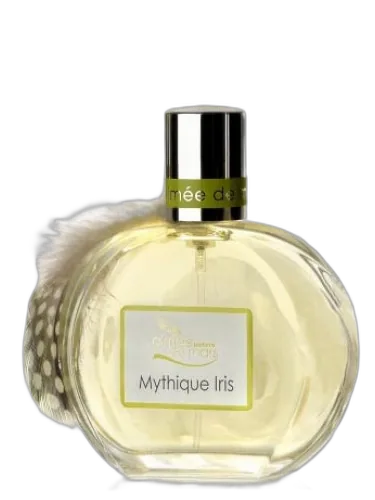
Aimee de Mars Parfums
Mythique Iris (mythical Iris) Aimee De Mars Parfums
Shared top notes: iris, violet

Thomas Kosmala
Light Of Grace Thomas Kosmala
Shared top notes: iris

Hawthorne
Desert Runway Hawthorne
Shared top notes: iris, sandalwood, violet
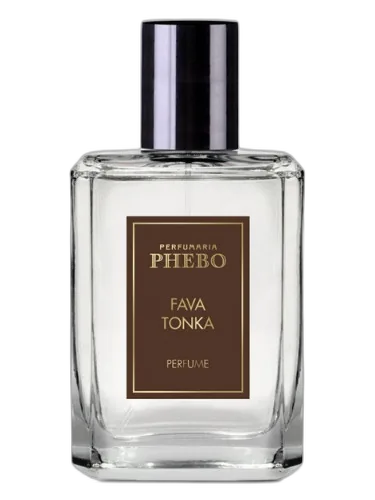
Phebo
Fava Tonka Phebo
Shared heart notes: tonka bean, vanilla
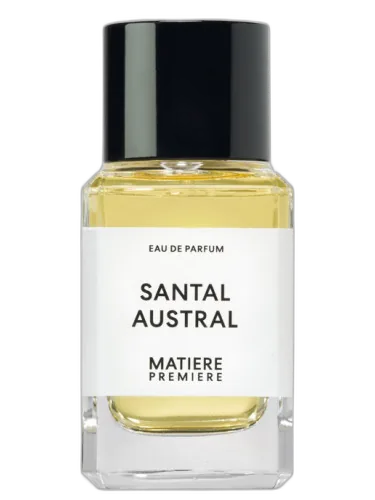
Matiere Premiere
Santal Austral Matiere Premiere
Shared top notes: iris