


Emperor’s Court Dixit & Zak
Fragrance Story
Emperor’s Court by Dixit & Zak is a fragrance for women and men. Emperor’s Court was launched in 2021. Emperor’s Court was created by Nitish Dixit and Zakir Laskar. Top notes are Bulgarian Rose, Indian Jasmine and Bergamot; middle notes are Indian Spices, Turkish Rose, Egyptian Jasmine and Ylang-Ylang; base notes are Amber, Labdanum, Myrrh, Opoponax, Sandalwood, Benzoin, Vanilla, Ambergris, Oakmoss, Patchouli, Thailand Oud, Tobacco, Olibanum, Castoreum, Choya Nakh, Cambodian Oud, Musk, Civet, Saffron, Indian Oud, Laotian Oud and Pandanus.
Composition Profile
About the Perfumer

Nitish Dixit
Nitish Dixit is a perfumer and co-founder of the brand Dixit & Zak, known for rich, complex fragrances inspired by Indian traditions. His catalog includes scents like Ghaliyah Reflection, Brindaban, Charbagh, Emperor Hind, Emperor’s Court, Ghaliyah Hind, Hindi Tabac, and Kashmir Nuit. Dixit's work often features oud, spices, and floral elements, reflecting a deep connection to Indian perfumery heritage.
Fragrance Notes
Top Notes
First impression · 15-30 min
 Bulgarian Rose
Indian Jasmine
Bulgarian Rose
Indian Jasmine
 Bergamot
Heart Notes
Core character · 2-4 hours
 Indian Spices
Turkish Rose
Egyptian Jasmine
Indian Spices
Turkish Rose
Egyptian Jasmine
 Ylang-Ylang
Base Notes
Lasting impression · 4+ hours
 Amber
Amber
 Labdanum
 Myrrh
Myrrh
 Opoponax
 Sandalwood
 Benzoin
 Vanilla
 Ambergris
 Oakmoss
 Patchouli
 Thailand Oud
 Tobacco
Olibanum
Tobacco
Olibanum
 Castoreum
 Choya Nakh
 Cambodian Oud
 Musk
Musk
 Civet
Civet
 Saffron
 Indian Oud
 Laotian Oud
 Pandanus
Character Profile
The Sovereign Archetype: Portrait of Emperor’s Court Dixit & Zak
Essence
This person is most closely aligned with the Ruler archetype, a figure who embodies authority, control, and mastery over their domain. Like the fragrance Emperor’s Court-a regal blend of oud, spices, and leather-they exude an aura of command, refinement, and timeless presence. The Ruler does not merely seek power for its own sake but believes in order, legacy, and the cultivation of excellence. Yet, as with all archetypes, the shadow looms: rigidity, detachment, and an unyielding expectation of perfection.
Style & Aesthetic
Their tastes are deliberate, curated with the precision of a monarch selecting courtly adornments. They favor tailored garments-structured suits, rich fabrics, perhaps a well-worn leather jacket that carries the weight of experience. Their home is an extension of their persona: dark woods, antique furnishings, shelves lined with philosophy, history, and the occasional volume of poetry. They appreciate the craftsmanship of objects, the way a pen glides across paper, the weight of a watch on their wrist.
In fragrance, they seek something that does not merely smell pleasant but declares itself-spices that bite, oud that lingers like a decree, a composition that demands attention without begging for it. They disdain the fleeting and the frivolous; their choices are investments, not indulgences.
Their days are structured, almost ritualistic. Mornings begin with intention-black coffee, a few pages of Nietzsche or Sun Tzu, perhaps a deliberate silence before the day’s demands encroach. They move through the world with purpose, whether in business, art, or leadership. They are drawn to roles where they can shape outcomes, where their vision can manifest in tangible ways.
But the throne is heavy. The relentless pursuit of mastery can isolate them, turning solitude into loneliness. They may forget that even emperors need rest, that the crown is not fused to the skull. In weaker moments, they might indulge in arrogance or impatience, mistaking their own standards for universal law.
Philosophy & Values
They believe the world is shaped by those who refuse to be shaped by it. Their philosophy is one of responsibility-not the hollow kind preached by moralists, but the unspoken duty of the strong to uphold standards. They see chaos as the enemy of progress, yet they are not blind to the necessity of occasional upheaval.
Their values are rooted in discipline, integrity, and a quiet, unshakable confidence. They do not boast, for true power needs no advertisement. They respect competence above all else, and they have little patience for those who mistake mediocrity for virtue. Yet, this very conviction can harden into dogma-a refusal to bend, even when flexibility would serve them better.
Relationships
In love and friendship, they are selective, even guarded. They do not give their trust lightly, for they know the weight of betrayal. Their closest bonds are built on mutual respect, intellectual sparring, and an unspoken understanding of loyalty. They are not the type to fawn or flatter; their affection is shown through acts-a carefully chosen gift, an unexpected gesture of support, the rare but deeply felt compliment.
Yet, their shadow emerges in intimacy. They may struggle with vulnerability, seeing it as a relinquishment of control. Partners may find them distant at times, their emotions locked behind the gates of their inner court. They expect much from those they love, sometimes too much, and their disappointment can be cold, cutting.
Shadow
The Ruler’s greatest weakness is their inability to surrender control. They may mistake dominance for strength, forgetting that true sovereignty sometimes requires yielding. Their disdain for weakness can curdle into cruelty, their high standards into tyranny. They fear irrelevance, the slow erosion of their influence, and this fear can make them rigid where they should adapt.
Yet, in their best moments, they are not despots but stewards-guardians of excellence, mentors to those who seek their wisdom. Their legacy is not in the throne they occupy but in the minds they sharpen, the standards they uphold, the rare and fleeting moments when they allow themselves to be human.
Conclusion
To wear Emperor’s Court is to carry the weight of rule-not as a burden, but as a mantle willingly assumed. This person is neither tyrant nor saint, but a figure who understands that power, like fragrance, is an art: it must be wielded with precision, lest it dissipate into nothing. They walk the line between dominion and detachment, their presence lingering long after they have left the room.
And if they falter, if the crown grows too heavy, perhaps they will learn that even emperors must sometimes kneel-if only to rise again.
Similar Fragrances
Fragrances with a comparable profile - shared accords, notes, and character.
Dixit & Zak
Emperor’s Court Dixit & Zak
Shared accords: amber, animalic, balsamic

Scent Salim
King Of Arabia Scent Salim
Shared accords: amber, animalic, musky
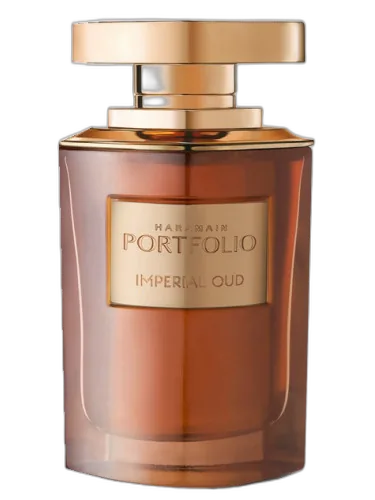
Al Haramain Perfumes
Portfolio Imperial Oud Al Haramain Perfumes
Shared accords: amber, animalic, balsamic

MGO Duftanker
Dubai Mgo Duftanker
Shared accords: amber, animalic, balsamic
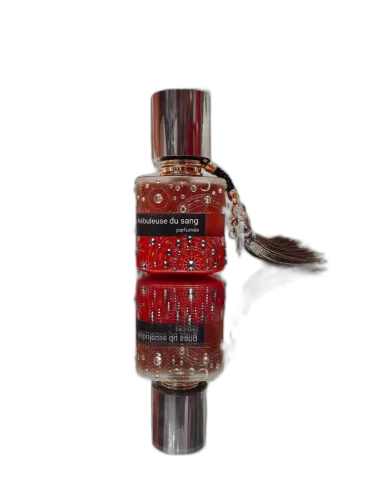
Chouette Vierge Parfumée
Nébuleuse Du Sang Chouette Vierge Parfumée
Shared accords: amber, animalic, balsamic