
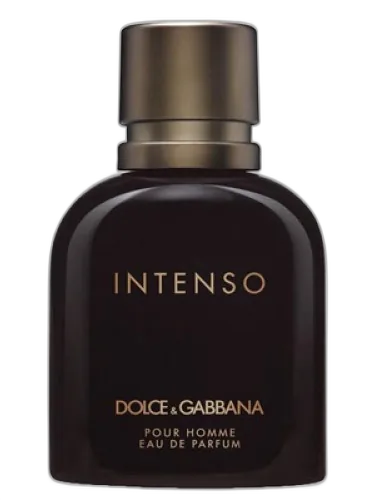
Dolce&gabbana Pour Homme Intenso Dolce&gabbana
Fragrance Story
Dolce&Gabbana Pour Homme Intenso by Dolce&Gabbana is a Woody Aromatic fragrance for men. Dolce&Gabbana Pour Homme Intenso was launched in 2014. Top notes are Lavender, Water Notes, Basil, Geranium and Marigold; middle notes are Tobacco, Hay, Clary Sage, Moepel accord and Bran; base notes are Sandalwood, Cypress, Musk, Amber and Labdanum.
Composition Profile
About the Perfumer

Unknown Perfumer
Fragrance Notes
Top Notes
First impression · 15-30 min
 Lavender
 Water Notes
 Basil
Basil
 Geranium
 Marigold
Heart Notes
Core character · 2-4 hours
 Tobacco
 Hay
Hay
 Clary Sage
 Moepel accord
 Bran
Bran
Base Notes
Lasting impression · 4+ hours
 Sandalwood
 Cypress
 Musk
Musk
 Amber
Amber
 Labdanum
Dolce&gabbana Pour Homme Intenso Dolce&gabbana by Dolce&Gabbana offers a distinctive olfactory experience that stands out from other fragrances in its category.
Crafted with the finest ingredients and a blend of traditional and modern perfumery techniques, this fragrance represents the pinnacle of the perfumer's art.
Dolce&gabbana Pour Homme Intenso Dolce&gabbana embodies the distinctive style of Dolce&Gabbana while adding a unique chapter to their fragrance portfolio.
Character Profile
The Sovereign Archetype: Portrait of Dolce&gabbana Pour Homme Intenso Dolce&gabbana
Essence
The man who favors Dolce&Gabbana Pour Homme Intenso is not one to fade into the background. His scent-a rich, commanding blend of tobacco, leather, and bergamot-speaks of authority, tradition, and an unshakable self-assurance. He is the Sovereign, an archetype rooted in mastery, control, and the quiet assertion of dominance. Like kings of old, he does not need to shout to be heard; his presence alone demands respect.
This man moves through life with an air of effortless command. He is not reckless, nor is he impulsive-his decisions are measured, his actions deliberate. He values structure, tradition, and excellence, seeing them as the foundations of a well-lived life. His tastes are refined but not ostentatious; he prefers quality over flash, substance over spectacle.
In his wardrobe, one finds tailored suits, well-polished leather shoes, and perhaps a vintage watch-each piece chosen not for trend but for timelessness. His home reflects the same philosophy: dark woods, rich textures, and an understated elegance that suggests permanence rather than fleeting fashion.
His philosophy is one of order through strength. He believes in hierarchies, not out of cruelty, but because he sees them as natural. To him, leadership is not about tyranny but responsibility-the strong must guide the weak, not exploit them. He respects discipline, self-mastery, and the quiet dignity of a man who knows his worth.
Shadow
Yet, like all archetypes, the Sovereign has his darkness. His reverence for order can slip into inflexibility, his confidence into hubris. He may dismiss new ideas too quickly, mistaking tradition for truth. His belief in hierarchy can harden into cold detachment, making him seem aloof or unfeeling.
In his worst moments, he may confuse strength with domination, mistaking control for leadership. He may grow impatient with those who do not meet his standards, seeing weakness where there is only difference. His relationships may suffer if he expects submission rather than partnership.
The greatest danger for the Sovereign is stagnation. If he refuses to adapt, if he clings too tightly to his own vision of order, he risks becoming not a king but a relic-respected but irrelevant.
Conclusion
At his best, the Sovereign is a pillar of stability. He is the man others turn to in crisis, not because he is the loudest, but because he is the calmest. His confidence is not arrogance but earned assurance-he has tested himself, honed his skills, and knows his limits.
In relationships, he is protective but never possessive. He does not seek to control his partner but to elevate them, to be both shield and foundation. His love is not passionate in the tempestuous sense, but deep, enduring, and fiercely loyal.
Professionally, he thrives in roles that demand authority-executives, officers, mentors. He does not chase power for its own sake but accepts it as his natural domain. His leadership is firm but fair, and he expects nothing from others that he does not demand of himself.
Similar Fragrances
Fragrances with a comparable profile - shared accords, notes, and character.
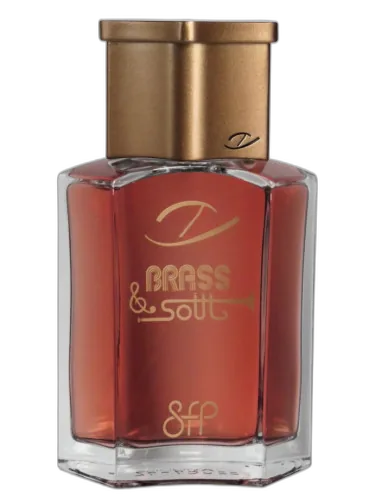
Zaharoff
Brass & Soul Zaharoff
Shared accords: amber, aquatic, aromatic
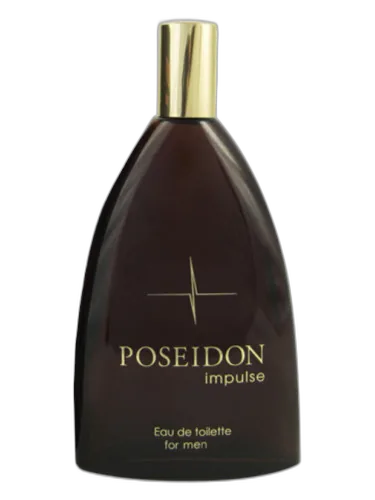
Instituto Español
Poseidon Impulse Instituto Español
Shared accords: aromatic, fresh spicy, green
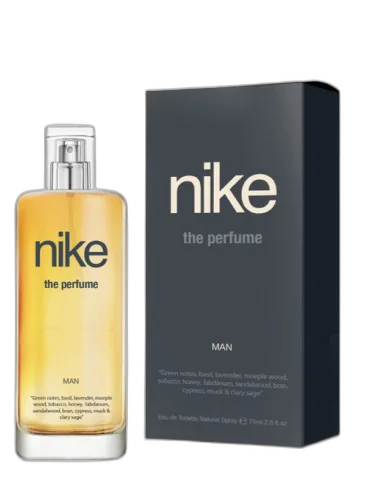
Nike
Nike The Perfume Man Nike
Shared accords: aromatic, fresh spicy, green

Poesie
Watson Poesie
Shared accords: amber, aromatic, fresh spicy

Floridia Parfum
Ex Manifattura Tabacchi Floridia Parfum
Shared accords: amber, aromatic, fresh spicy