
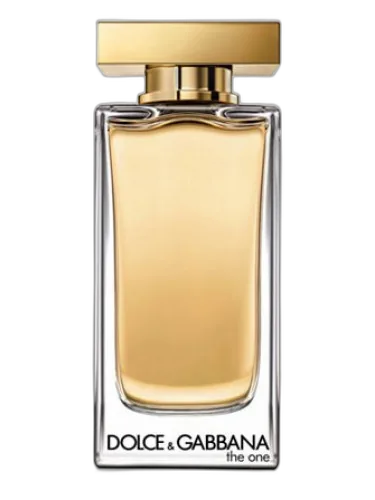

The One Eau De Toilette Dolce&gabbana
Fragrance Story
The One Eau de Toilette by Dolce&Gabbana is a Oriental Floral fragrance for women. The One Eau de Toilette was launched in 2017. The nose behind this fragrance is Michel Girard. Top notes are White Peach, Litchi, Mandarin Orange and Bergamot Blossom; middle notes are Lily, Ylang-Ylang, Jasmine, Orange Blossom, Lily-of-the-Valley and Broom; base notes are Vanilla, Amber, Musk, Vetiver and Moss.
Composition Profile
About the Perfumer

Michel Girard
Michel Girard is a French perfumer known for his work with major fragrance houses. His creations span a wide range of styles, from the fresh and woody Dunhill Pursuit to the warm, spicy Wanted By Night by Azzaro. He has also composed fragrances for Burberry, including the gentle Baby Touch and Tender Touch, as well as niche offerings like B96's Cinnamon Cedarwood. Girard's portfolio demonstrates versatility across both mass-market and artisanal perfumery.
Fragrance Notes
Top Notes
First impression · 15-30 min
 White Peach
 Litchi
 Mandarin Orange
 Bergamot Blossom
Heart Notes
Core character · 2-4 hours
 Lily
Lily
 Ylang-Ylang
 Jasmine
 Orange Blossom
 Lily-of-the-Valley
Broom
Lily-of-the-Valley
Broom
Base Notes
Lasting impression · 4+ hours
 Vanilla
 Amber
Amber
 Musk
Musk
 Vetiver
Moss
Vetiver
Moss
The One Eau De Toilette Dolce&gabbana by Dolce&Gabbana offers a distinctive olfactory experience that stands out from other fragrances in its category.
Crafted with the finest ingredients and a blend of traditional and modern perfumery techniques, this fragrance represents the pinnacle of the perfumer's art.
The One Eau De Toilette Dolce&gabbana embodies the distinctive style of Dolce&Gabbana while adding a unique chapter to their fragrance portfolio.
Character Profile
The Lover Archetype: Portrait of The One Eau De Toilette Dolce&gabbana
Essence
The person who adores The One Eau de Toilette by Dolce&Gabbana is most closely aligned with The Lover archetype. This fragrance-warm, sensual, yet subtly refined-mirrors their essence: a soul drawn to beauty, intimacy, and the art of connection. The Lover thrives on passion, not merely in romance but in all facets of existence-aesthetics, ideas, relationships. They are the embodiment of Eros, not in its trivialized form of mere seduction, but as a force that binds, enchants, and elevates.
Yet, like all archetypes, The Lover has a shadow-a tendency toward indulgence, dependency, or an inability to endure life’s harsher realities without retreating into fantasy.
Philosophy & Values
For them, beauty is not superficial-it is a moral imperative. They believe that to live well is to surround oneself with what stirs the heart, whether in art, nature, or human connection. They reject the cold utilitarianism of modern life, favoring instead a world where emotion and aesthetics are given their due weight.
Yet this very idealism can become their undoing. When reality fails to meet their expectations-when love fades, when friendships prove shallow-they may retreat into melancholy or cynicism. The shadow of The Lover is the Romantic Disillusioned, who once believed too fervently in the sublime and now fears it was all an illusion.
Relationships
They do not love lightly. Their relationships are intense, layered, sometimes overwhelming. They crave fusion-not possession, but the kind of closeness where boundaries blur in the most exquisite way. They are the kind of partner who remembers anniversaries not out of obligation but because they cherish the poetry of memory.
But here, too, lies danger. Their need for deep connection can slip into neediness, an unspoken demand that others match their emotional intensity. If unmet, they may grow resentful or withdraw into solitude, convinced that no one truly understands them.
Shadow
At their worst, they become prisoners of their own sensitivity. The world’s coarseness wounds them, and they may oscillate between hedonism (seeking solace in fleeting pleasures) and asceticism (renouncing desire entirely). They might romanticize suffering, mistaking pain for profundity.
Yet even in their flaws, there is something noble-a refusal to accept a life stripped of wonder. Their challenge is to temper their idealism with resilience, to love without losing themselves.
Conclusion
To wear The One is to declare a creed: that life is richest when felt deeply. They are not naive-they know the world is flawed-but they choose, again and again, to believe in the transcendent. Their greatest strength is their capacity for joy; their greatest weakness, their fear of its absence.
In the end, they are neither purely light nor shadow, but a living paradox-a soul forever torn between the ecstasy of connection and the terror of its loss. And perhaps that tension is what makes them so compelling.
Similar Fragrances
Fragrances with a comparable profile - shared accords, notes, and character.
Dolce&Gabbana
The One Eau De Toilette Dolce&gabbana
Shared accords: animalic, citrus, fruity
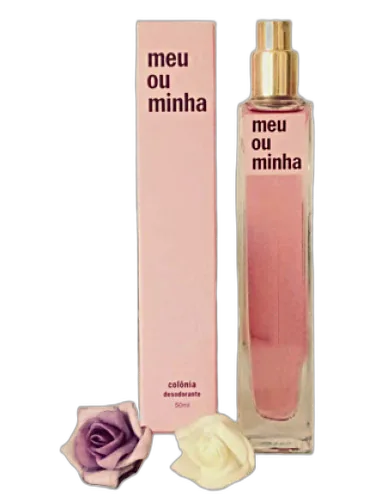
Contém 1g
Meu Jeito Contém 1g
Shared accords: citrus, fruity, powdery

We Pink
Noivinha We Pink
Shared accords: animalic, citrus, fruity
Dolce&Gabbana
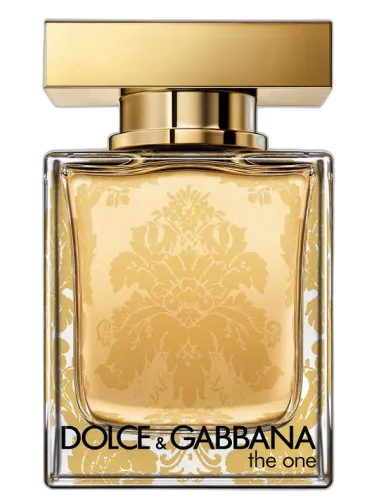
The One Baroque Dolce&gabbana
Shared accords: citrus, fruity, powdery
Nature's
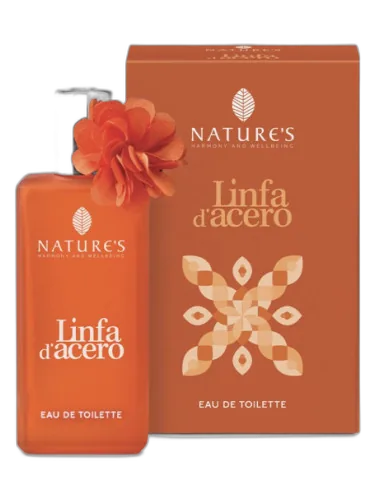
Linfa D'acero Nature's
Shared accords: citrus, fruity, sweet