
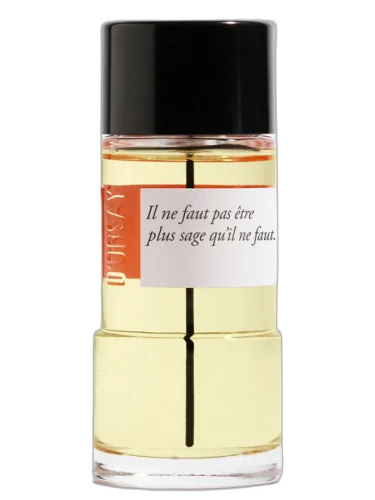

Il Ne Faut Pas Être Plus Sage Qu’il Ne Faut S.p. D’orsay
Fragrance Story
Il Ne Faut Pas Être Plus Sage Qu’il Ne Faut S.P. by D’ORSAY is a Aromatic Fruity fragrance for women and men. Il Ne Faut Pas Être Plus Sage Qu’il Ne Faut S.P. was launched in 2020. Top notes are Cardamom and Grapefruit; middle notes are Green Notes and Fig; base notes are Amberwood, Vetiver and Musk.
Composition Profile
About the Perfumer

Unknown Perfumer
Fragrance Notes
Top Notes
First impression · 15-30 min
 Cardamom
 Grapefruit
Heart Notes
Core character · 2-4 hours
 Green Notes
 Fig
Fig
Base Notes
Lasting impression · 4+ hours
 Amberwood
 Vetiver
 Musk
Musk
Il Ne Faut Pas Être Plus Sage Qu’il Ne Faut S.p. D’orsay by D’ORSAY offers a distinctive olfactory experience that stands out from other fragrances in its category.
Crafted with the finest ingredients and a blend of traditional and modern perfumery techniques, this fragrance represents the pinnacle of the perfumer's art.
Il Ne Faut Pas Être Plus Sage Qu’il Ne Faut S.p. D’orsay embodies the distinctive style of D’ORSAY while adding a unique chapter to their fragrance portfolio.
Character Profile
The Lover Archetype: Portrait of Il Ne Faut Pas Être Plus Sage Qu’il Ne Faut S.p. D’orsay
Essence
To wear Il Ne Faut Pas Être Plus Sage Qu’il Ne Faut by S.p. D’orsay is to embrace a paradox-a fragrance that whispers of wisdom yet mocks its own seriousness. This scent, with its blend of citrus, spice, and woody warmth, is neither frivolous nor austere; it exists in the liminal space between restraint and indulgence. The person who chooses it is a modern-day Lover archetype, one who seeks beauty, sensuality, and connection, but who also flirts with excess, indulgence, and the danger of losing oneself in pleasure.
Style & Aesthetic
Their life is a carefully curated performance-not in the sense of falsity, but in the way an artist arranges a tableau. They are drawn to the elegance of old-world decadence, yet they resist being bound by tradition. Their wardrobe is a mix of tailored vintage and contemporary ease, favoring fabrics that feel as good as they look: silk, cashmere, linen that wrinkles just enough to suggest effortlessness. They prefer muted colors with flashes of deep red or gold-hints of passion beneath restraint.
Their home is an extension of this philosophy: a balance of opulence and simplicity. A well-worn leather armchair sits beside a sleek modern bookshelf; a Persian rug softens the cold geometry of a concrete floor. They collect art, not for investment, but for the way it makes them feel-a small Egon Schiele sketch here, a bold abstract piece there. They drink wine, not to get drunk, but to savor the ritual of it.
Philosophy & Values
For them, life is not about accumulation but about experience. They reject the notion that wisdom must be solemn; instead, they believe that true understanding comes through immersion in the world-through taste, touch, scent, and emotion. They are drawn to Nietzsche’s idea that "one must still have chaos in oneself to give birth to a dancing star."
They value authenticity, but not in the crude, unfiltered sense. To them, authenticity is refinement-peeling away the unnecessary to reveal the essence. They despise pretension, yet they are not immune to it; they catch themselves sometimes performing for an audience, even if that audience is only in their mind.
Relationships
They love deeply, but their love is often fleeting-not out of cruelty, but because they are chasing an ideal. They are drawn to people who fascinate them, who carry some mystery or artistic spark. Their relationships burn bright but often fade when the initial intensity wanes. They are not afraid of solitude; in fact, they need it to recalibrate, to avoid being swallowed by the desires of others.
Yet this very independence can become their shadow. They fear stagnation, and so they leave before they are left. They mistake restlessness for freedom, and in doing so, they sometimes miss the quiet, sustaining love that grows slowly.
Shadow
The Lover’s greatest weakness is their capacity for self-deception. They tell themselves they are above convention, but sometimes they are merely avoiding responsibility. They disdain materialism, yet they are seduced by beauty in all its forms-fine things, intoxicating company, the thrill of the new.
There is a danger that their pursuit of pleasure becomes a form of escape. They may drift into decadence, mistaking indulgence for enlightenment. They may grow impatient with those who cannot keep up with their emotional and intellectual pace, dismissing them as dull rather than recognizing their own inability to commit.
Conclusion
The person who wears Il Ne Faut Pas Être Plus Sage Qu’il Ne Faut is neither entirely wise nor entirely reckless-they are both, in turns. They understand that life is too short to be spent in rigid self-denial, yet they also know that pure hedonism is its own kind of prison.
They are the Lover who has tasted enough of the world to know its sweetness and its bitterness. Their challenge is to find the balance-to embrace passion without being consumed by it, to seek beauty without losing themselves in its pursuit. In the end, their greatest work of art is their own life, lived with intention, sensuality, and just enough wisdom to keep them from taking themselves too seriously.
Similar Fragrances
Fragrances with a comparable profile - shared accords, notes, and character.
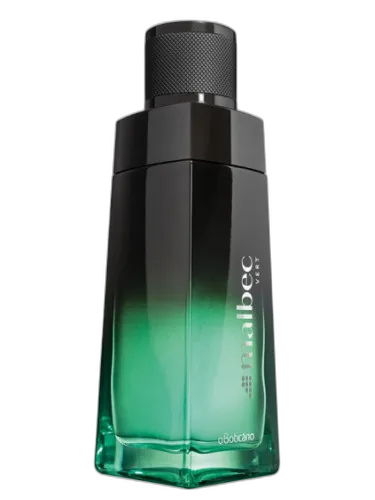
O Boticário
Malbec Vert O Boticário
Shared accords: amber, aromatic, citrus
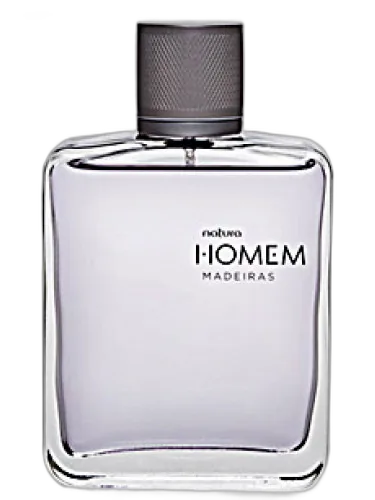
Natura
Homem Madeiras Natura
Shared accords: aromatic, citrus, earthy
D’ORSAY
S.p. D’orsay
Shared accords: amber, aromatic, citrus
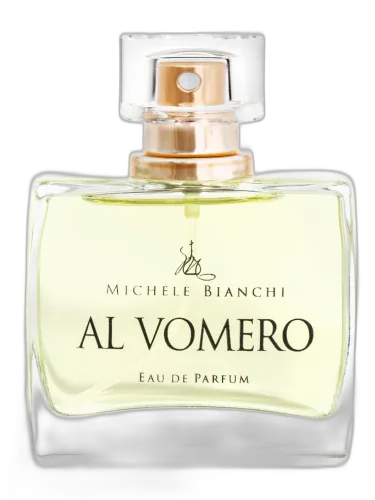
Michele Bianchi
Al Vomero Michele Bianchi
Shared accords: aromatic, citrus, earthy
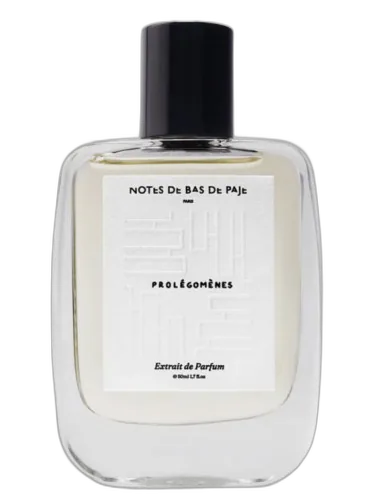
Notes de Bas de Paje
Prolégomènes Notes De Bas De Paje
Shared accords: amber, aromatic, citrus