


Zanzibar Doubleyou
At a glance
Is Zanzibar Doubleyou worth trying?
Zanzibar by DoubleYou is a Oriental Spicy fragrance for women and men.
- Best match
- Evening wear in Fall, Winter
- Performance feel
- Good longevity with Moderate sillage
- Signature profile
- warm spicy, woody, aromatic with Oak, Ginger, Cloves
The first impression
Zanzibar by DoubleYou is a Oriental Spicy fragrance for women and men. Zanzibar was launched in 2010. The nose behind this fragrance is Barnabe Fillion.
What shapes the scent
The perfumer behind it

Barnabe Fillion
Barnabe Fillion is a French perfumer who trained at Givaudan and now works closely with Aesop, where he has become a defining creative force. His style is known for blending raw, mineral-like accords with earthy and aromatic notes, often evoking landscapes and natural textures. He created several of Aesop’s most distinctive fragrances, including the green, citrusy Erémia, the smoky, woody Karst, and the dark, resinous Miraceti.
Notes pyramid
All Notes
Complete scent profile
 Oak
Oak
 Ginger
 Cloves
Siam Resin
Cloves
Siam Resin
 Cedar
Cedar
 Cardamom
 Geranium
 Cinnamon
 Leather
 Coffee
 Sandalwood
 Rose
Rose
 Black Currant Blossom
The mood it creates
The Wanderer Archetype: Portrait of Zanzibar Doubleyou
Essence
This person is, above all, a Seeker-an archetype defined by restlessness, curiosity, and an insatiable hunger for experience. The scent of Zanzibar Doubleyou, with its blend of exotic spices, warm woods, and a whisper of oceanic freshness, mirrors their essence: a soul drawn to the uncharted, the mysterious, the edges of the known world. They are not content with stagnation; life must be a journey, both literal and metaphysical.
Like Odysseus or the alchemist in search of the philosopher’s stone, they are driven by an inner compass pointing toward transformation. Yet this same drive can render them perpetually dissatisfied, always chasing the next horizon rather than sinking roots.
Style & Aesthetic
Their tastes are eclectic, layered, and often contradictory-much like the fragrance they adore. They might favor minimalist Scandinavian design yet fill their home with handcrafted Moroccan rugs and Balinese carvings. Their wardrobe balances tailored simplicity with bold, unexpected textures-linen shirts paired with a vintage leather bracelet, or a sleek black coat offset by a vibrant silk scarf from some far-flung market.
Music, art, and literature are not mere pastimes but extensions of their quest. They gravitate toward works that evoke a sense of movement: the nomadic blues of Ali Farka Touré, the surreal landscapes of Magritte, the restless prose of Bruce Chatwin. They prefer ambiguity over dogma, complexity over simplicity.
They thrive in motion. Their life may involve frequent travel, a career that defies convention (freelance photographer, consultant, importer of rare spices), or simply a refusal to settle into predictable routines. Home is wherever they lay their head tonight, yet they carry with them talismans-a well-worn journal, a silver ring from Istanbul, a dog-eared copy of The Sailor Who Fell from Grace with the Sea.
But this very adaptability can become a form of rootlessness. Without a center, they risk becoming a ghost in their own life, drifting through experiences without ever fully inhabiting them.
Philosophy & Values
Freedom is their highest ideal-not the reckless abandon of the hedonist, but the deliberate, self-aware pursuit of autonomy. They reject rigid systems, whether political, religious, or social, favoring instead a fluid personal philosophy stitched together from Zen Buddhism, existentialism, and the occasional anarchist pamphlet.
Yet their reverence for independence can border on detachment. They may struggle with commitment, viewing even deep relationships as potential shackles. Their shadow whispers: What if there’s something-someone-better just beyond the next turn?
Relationships
They are magnetic, effortlessly drawing people in with their stories, their laughter, their air of quiet mystery. Friends and lovers are enchanted by their spontaneity-the midnight drives, the impromptu flights to Lisbon or Marrakech. But those who stay long enough begin to sense the paradox: they crave connection yet fear enclosure.
Their relationships are often intense but ephemeral, like a firework-brilliant, then gone. They leave fragments of themselves scattered across continents, hearts broken not out of malice but because they cannot bear to be pinned down. The shadow of the Seeker is the Eternal Fugitive, always one step ahead of belonging.
Shadow
The Seeker’s greatest danger is mistaking motion for meaning. They may mistake accumulation-of miles, lovers, exotic trinkets-for depth. When the thrill fades, they are left with a quiet dread: What if I’ve been running in circles?
Their challenge is not to abandon the journey but to learn when to pause, to let the world come to them. To understand that wisdom is not only in the seeking but in the stillness between steps.
Conclusion
Zanzibar Doubleyou is their scent because it is a paradox-warm yet elusive, familiar yet foreign. It does not announce itself loudly but lingers, hinting at stories untold.
They are neither hero nor villain but a figure in flux, forever caught between the longing to wander and the hunger to belong. And perhaps that is the most human tension of all.
If you like this, try these
Fragrances with a comparable profile - shared accords, notes, and character.

Aesop
Marrakech Intense Aesop
Shared top notes: cardamom, cloves
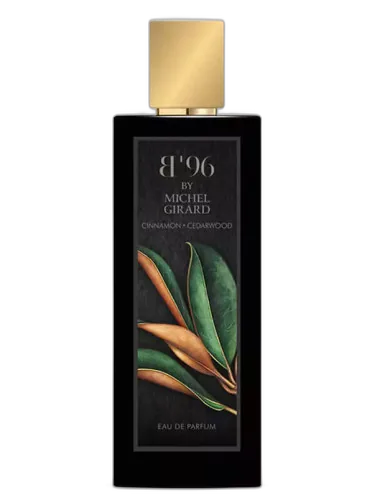
B96
Cinnamon Cedarwood B96
Shared top notes: cardamom, cinnamon, ginger
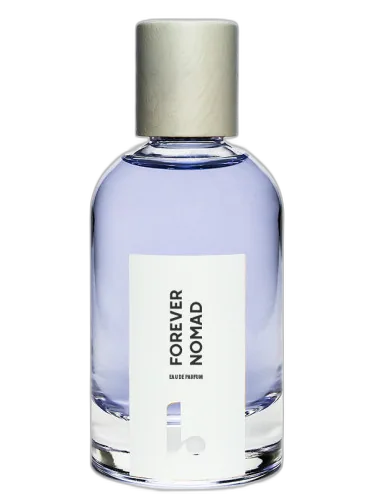
Lumodos
Forever Nomad Lumodos
Shared top notes: cardamom

Ellis Brooklyn
Apres Ellis Brooklyn
Shared top notes: cardamom
Mahogany
África Mahogany
Shared top notes: geranium