
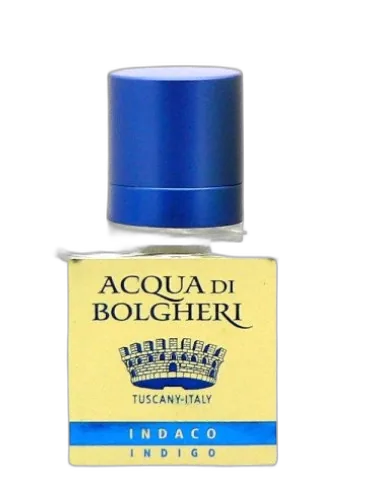

Indaco Dr. Taffi
At a glance
Is Indaco Dr. Taffi worth trying?
Indaco by Dr.
- Best match
- Evening wear in Fall
- Performance feel
- Good longevity with Moderate sillage
- Signature profile
- white floral, aromatic, citrus with Mint, Lemon, Citron
The first impression
Indaco by Dr. Taffi is a Floral Woody Musk fragrance for women and men. Top notes are Mint, Lemon and Citron; middle notes are Lily, Cornflower or Sultan seeds and Jasmine; base notes are White Musk and Cypress.
What shapes the scent
The perfumer behind it

Dr. Taffi
Dr. Taffi is an independent perfumer known for crafting bold, unconventional fragrances that challenge traditional boundaries. Their style often features unexpected contrasts, blending rich spices, smoky woods, and vibrant citrus with a modern edge, as seen in the signature scent Indaco. This fragrance exemplifies their approach with its deep, enigmatic character and layered complexity, appealing to those seeking distinctive, avant-garde compositions that defy easy categorization.
Notes pyramid
Top Notes
First impression · 15-30 min
 Mint
Mint
 Lemon
Lemon
 Citron
Heart Notes
Core character · 2-4 hours
 Lily
Lily
 Cornflower or Sultan seeds
 Jasmine
Base Notes
Lasting impression · 4+ hours
White Musk
 Cypress
The mood it creates
The Sage Archetype: Portrait of Indaco Dr. Taffi
Essence
Indaco Dr. Taffi is a fragrance that defies simplicity-earthy yet ethereal, structured yet elusive. It carries the weight of leather and incense, softened by powdery iris and a whisper of citrus. This is not a scent for those who seek the obvious; it is for the thinker, the observer, the one who moves through life with quiet intensity. The person who cherishes this fragrance is drawn to complexity, to the interplay of shadow and light-both in scent and in self.
Style & Aesthetic
Their tastes are deliberate, refined without being ostentatious. They favor textures that tell a story-aged leather, rough linen, the grain of well-worn paper. Their wardrobe is a study in restraint: tailored but never stiff, with a preference for muted tones that suggest depth rather than demand attention.
In art, they are drawn to the ambiguous-symbolist paintings, modernist poetry, films that leave questions unanswered. They appreciate craftsmanship but disdain mere ornamentation; everything must serve a purpose, even if that purpose is to provoke thought.
Their life is a deliberate composition. Mornings may begin with black coffee and a book, evenings with journaling or solitary walks. They thrive in spaces that allow contemplation-libraries, quiet gardens, dimly lit rooms with good music. Routine is their ally, but not out of rigidity; it is the framework that frees their mind to wander.
Work must engage their intellect, whether in academia, writing, or a field where analysis is paramount. They are not driven by wealth or status but by the pursuit of meaning. Yet, they must guard against becoming too cerebral, lest they forget the vitality of spontaneity.
Philosophy & Values
Truth is their guiding star, though they know it is rarely pure. They are skeptical of absolutes, preferring the tension of paradox. Their morality is not rigid but fluid, shaped by context and nuance. They believe in the power of ideas to transform, yet they are wary of dogma-even their own.
They value independence but not isolation. Their relationships are built on mutual respect for the mind, though they may struggle with emotional transparency. They are drawn to those who challenge them, who force them out of their intellectual comfort zone. Superficiality repels them; they would rather a sharp debate than a polite but hollow exchange.
Relationships
They are not the life of the party, but they are the one you remember. Their friendships are few but profound, built over shared books, late-night conversations, and the unspoken understanding that some things need not be said. Romantic partners must be their equals-not necessarily in knowledge, but in curiosity. They are slow to trust but fiercely loyal once they do.
Yet, their shadow emerges here too. They can be aloof, mistaking detachment for wisdom. They may rationalize emotions rather than feel them, leaving loved ones yearning for a warmth they struggle to express. Their fear of being wrong can make them stubborn, clinging to logic even when the heart demands something softer.
Shadow
In their highest expression, the Sage is a beacon-guiding without arrogance, illuminating without blinding. They remind others that wisdom is not the absence of doubt but the courage to live within it.
But when unbalanced, they become the Recluse, the one who mistakes knowledge for living. They may grow cynical, dismissing what they cannot explain. Their brilliance can turn cold, their insights cutting rather than enlightening.
The fragrance they love mirrors them-complex, layered, impossible to pin down. It is not for everyone, but for those who understand, it lingers like a thought half-remembered, a truth almost grasped.
Conclusion
At their core, they embody the Sage-the seeker of wisdom, the interpreter of hidden truths. The Sage does not merely consume knowledge; they dissect it, turning it over in their mind like a rare artifact. They are the philosopher at the café table, the writer in the dimly lit study, the friend who listens deeply before offering a single, piercing insight. Their presence is not loud, but it lingers.
Yet, the Sage is not without their shadow. Knowledge can become a fortress, wisdom a shield against vulnerability. They may retreat into abstraction, mistaking understanding for experience. Their greatest strength-their intellect-can also be their prison, isolating them from the raw, unfiltered pulse of life.
If you like this, try these
Fragrances with a comparable profile - shared accords, notes, and character.
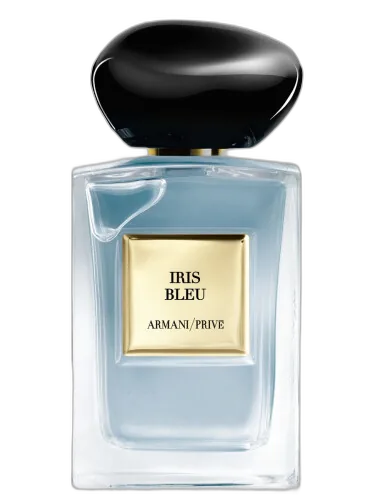
Giorgio Armani
Iris Bleu Giorgio Armani
Shared top notes: lemon
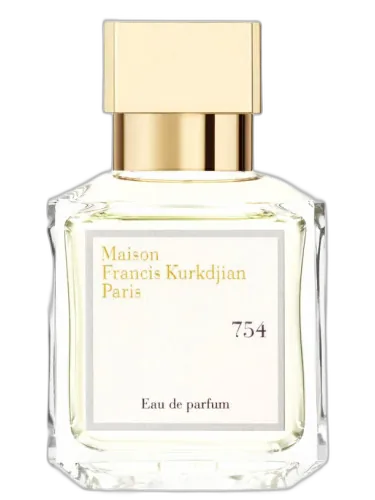
Maison Francis Kurkdjian
754 Maison Francis Kurkdjian
Shared top notes: lemon
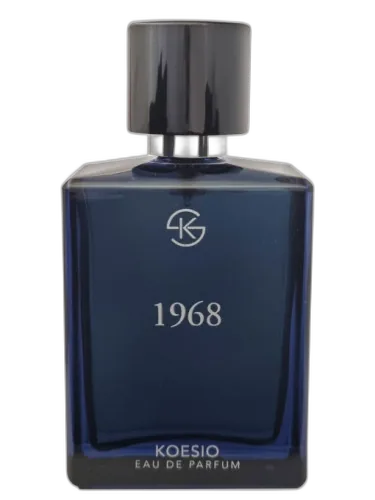
Koesio
1968 Koesio
Shared top notes: citron, lemon, mint
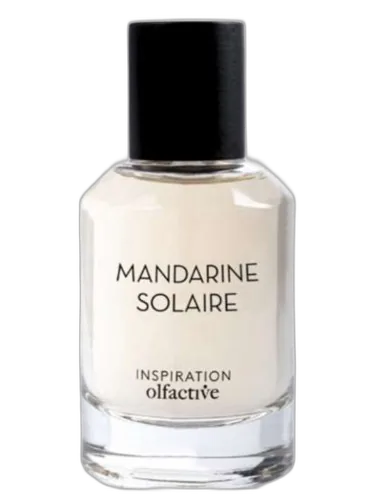
Inspiration Olfactive
Mandarine Solaire Inspiration Olfactive
Shared top notes: citron, mint
Bentley
Bentley Silverlake Bentley
Shared top notes: lemon, mint