
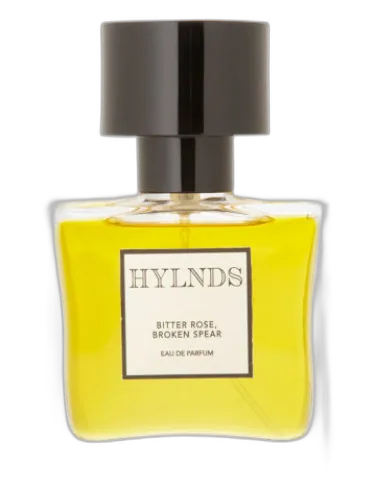

Bitter Rose, Broken Spear Ds&durga
Fragrance Story
Bitter Rose, Broken Spear by DS&Durga is a Woody Aromatic fragrance for women and men. Bitter Rose, Broken Spear was launched in 2013. The nose behind this fragrance is David Seth Moltz. Top notes are Ember, Thyme and Cubeb or Tailed pepper; middle notes are Rose, Thistle and Nutmeg; base notes are Hot iron, Larch and Amber.
Composition Profile
About the Perfumer

David Seth Moltz
David Seth Moltz is the co-founder and perfumer of D.S. & Durga, a brand known for its conceptual and evocative scents. His catalog includes King Majesty Bergamot Chypre, Wipeout!, and historical-inspired pieces like 1538 Rheims and Amber Kiso. Moltz’s work often blends natural and synthetic materials to create immersive olfactory narratives.
Fragrance Notes
Top Notes
First impression · 15-30 min
 Ember
Ember
 Thyme
Thyme
 Cubeb or Tailed pepper
Heart Notes
Core character · 2-4 hours
 Rose
Rose
 Thistle
 Nutmeg
Base Notes
Lasting impression · 4+ hours
 Hot iron
 Larch
Larch
 Amber
Amber
Bitter Rose, Broken Spear Ds&durga by DS&Durga offers a distinctive olfactory experience that stands out from other fragrances in its category.
Crafted with the finest ingredients and a blend of traditional and modern perfumery techniques, this fragrance represents the pinnacle of the perfumer's art.
Bitter Rose, Broken Spear Ds&durga embodies the distinctive style of DS&Durga while adding a unique chapter to their fragrance portfolio.
Character Profile
The Wounded Healer Archetype: Portrait of Bitter Rose, Broken Spear Ds&durga
Essence
This person is most closely aligned with the Wounded Healer, an archetype rooted in the wisdom of suffering and transformation. Like Chiron, the centaur who could heal others but not himself, they carry an air of knowing melancholy-a soul tempered by pain yet refined by insight. Their chosen fragrance, Bitter Rose, Broken Spear, mirrors this duality: the rose, soft and romantic, is laced with bitterness, while the spear, once whole, now lies fractured. They are drawn to beauty that does not shy from decay, to strength that acknowledges its own breaking.
Style & Aesthetic
Their tastes are an alchemy of elegance and rawness. They favor textures that tell stories-worn leather, oxidized silver, linen that wrinkles with use. Their wardrobe is deliberate, neither ostentatious nor careless, but curated to suggest depth: a tailored coat with a frayed hem, a silk blouse stained faintly with ink. They appreciate art that lingers in the liminal-Baroque still lifes with rotting fruit, poetry that whispers of loss without succumbing to despair. Music for them is often minor-key, resonant with unresolved tension-Nick Cave, Leonard Cohen, or the dissonant harmonies of Arvo Pärt.
Their home is a sanctuary of curated disorder-books stacked haphazardly but with purpose, candles burned down to stubs, dried flowers preserved in amber resin. They thrive in cities but need solitude, often escaping to quiet corners where they can read, write, or simply exist without performance.
Professionally, they gravitate toward roles that allow them to mend what is broken-therapists, artists, crisis counselors, or even bartenders who serve as confessors to the night. They are not afraid of darkness, but they refuse to let it consume them.
Philosophy & Values
They believe that true understanding comes not from avoiding suffering but from passing through it. Stoic by necessity, they reject platitudes and hollow optimism, preferring the clarity of Nietzsche’s dictum: "What does not kill me makes me stronger." Yet they are not cynical-their skepticism is tempered by a quiet hope, a belief in resilience. They value authenticity above all, despising pretense, and are drawn to those who speak plainly of their scars.
Their morality is not rigid but fluid, shaped by experience rather than dogma. They forgive easily the flaws of others but are merciless toward their own. This asymmetry is both their strength and their undoing-they extend compassion they rarely grant themselves.
Relationships
They attract others effortlessly, their presence magnetic, their listening profound. People confide in them instinctively, sensing an understanding that does not judge. Yet they remain just out of reach, their own vulnerabilities guarded behind wit or silence. Their love is deep but complicated-they fear both abandonment and engulfment, and so they oscillate between warmth and withdrawal.
Romantically, they are drawn to those who are equally complex-partners who are neither saviors nor victims, but fellow travelers in the art of endurance. Their relationships are intense, often marked by periods of closeness followed by retreat, as if they must periodically reaffirm their autonomy.
Shadow
Their greatest flaw is their tendency to romanticize their suffering, to wear it like a badge of honor. At times, they mistake endurance for virtue, forgetting that healing requires more than stoicism-it demands surrender. They may grow resentful when their sacrifices go unnoticed, yet they refuse to ask for help, trapped in a cycle of silent martyrdom.
There is also a danger of becoming too comfortable in their role as the wounded sage, using their pain as a shield against vulnerability. If unchecked, they may withdraw entirely, mistaking isolation for strength.
Conclusion
They are a paradox-fragile yet unbreakable, bitter yet tender. Their life is not one of unblemished triumph but of quiet victories wrested from defeat. Bitter Rose, Broken Spear is not just a fragrance to them; it is an emblem of their existence-a testament to the beauty that endures because it has known fracture.
They are the Wounded Healer, and though they may never fully mend themselves, they leave traces of light in the cracks of others.
Similar Fragrances
Fragrances with a comparable profile - shared accords, notes, and character.
DS&Durga
Bitter Rose, Broken Spear Ds&durga
Shared accords: amber, aromatic, floral
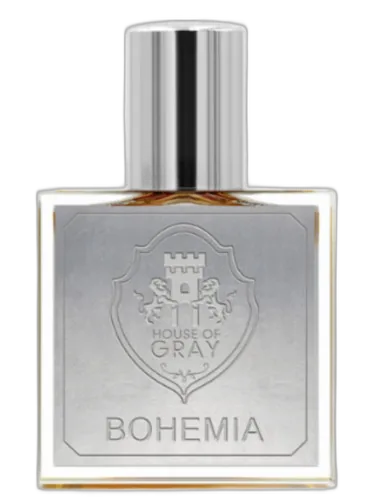
House of Gray
Bohemia House Of Gray
Shared accords: amber, aromatic, floral

Новая Заря (The New Dawn)
Ноктюрн (nocturne) Новая Заря (the New Dawn)
Shared accords: amber, aromatic, floral

La Folie a Plusieurs
For Electra La Folie A Plusieurs
Shared accords: amber, aromatic, floral
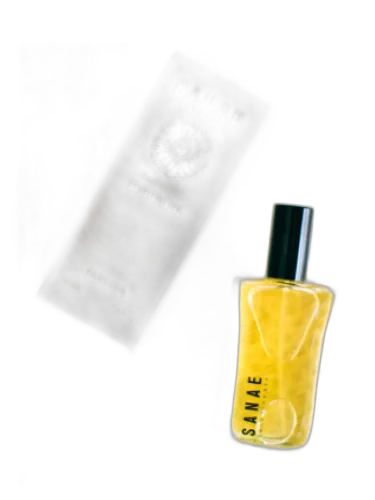
Sanae Intoxicants
Smoking Rose Sanae Intoxicants
Shared accords: amber, aromatic, floral