


Peanut Ds&durga
Fragrance Story
Peanut by DS&Durga is a Woody fragrance for women and men. This is a new fragrance. Peanut was launched in 2024. The nose behind this fragrance is David Seth Moltz. Top note is Peanut; middle notes are Peanut and Gourmand Accord; base notes are Woody Notes, Earthy Notes, Vetiver and Grass.
Composition Profile
About the Perfumer

David Seth Moltz
David Seth Moltz is the co-founder and perfumer of D.S. & Durga, a brand known for its conceptual and evocative scents. His catalog includes King Majesty Bergamot Chypre, Wipeout!, and historical-inspired pieces like 1538 Rheims and Amber Kiso. Moltz’s work often blends natural and synthetic materials to create immersive olfactory narratives.
Fragrance Notes
Top Notes
First impression · 15-30 min
 Peanut
Heart Notes
Core character · 2-4 hours
Peanut
 Gourmand Accord
Base Notes
Lasting impression · 4+ hours
 Woody Notes
 Earthy Notes
 Vetiver
 Grass
Grass
Peanut Ds&durga by DS&Durga offers a distinctive olfactory experience that stands out from other fragrances in its category.
Crafted with the finest ingredients and a blend of traditional and modern perfumery techniques, this fragrance represents the pinnacle of the perfumer's art.
Peanut Ds&durga embodies the distinctive style of DS&Durga while adding a unique chapter to their fragrance portfolio.
Character Profile
The Lover Archetype: Portrait of Peanut Ds&durga
Essence
To wear Peanut by DS&Durga is to embrace an unexpected alchemy-a scent that transforms the humble, earthy nut into something enigmatic, almost mythic. This person does not seek the predictable; they are drawn to the strange beauty in the ordinary, the way a philosopher finds profundity in the mundane. Their archetype is unmistakably the Trickster, but not in the frivolous sense-rather, as a boundary-crosser, a disruptor of conventions, one who plays with perception and expectation.
Philosophy & Values
The Trickster is a shape-shifter, a being who defies rigid definitions. This person lives by a similar creed: they resist being pinned down, whether by societal roles, aesthetic norms, or intellectual dogmas. Their humor is dry, their wit sharp-they can disarm with a well-timed joke or a raised eyebrow. They do not suffer fools gladly, but they also have little patience for those who take themselves too seriously.
They value freedom above all-freedom of thought, of expression, of movement. Routine is their enemy; spontaneity, their ally. They are the friend who suggests an impromptu road trip at midnight, the colleague who challenges the status quo in meetings, the lover who keeps things unpredictable. Their mind is restless, always probing, questioning, turning ideas inside out to see what lies beneath.
Yet, for all their brilliance, they are not without contradictions. They disdain pretension, yet they can be guilty of an elitism of their own-a quiet smugness in their refusal to conform. They pride themselves on their independence, but this can sometimes manifest as emotional detachment, a reluctance to commit. Their playfulness, while infectious, can also be a shield, deflecting deeper intimacy.
Shadow
Every archetype has its dark twin, and for the Trickster, it is the tendency toward chaos for its own sake. This person’s aversion to routine can tip into irresponsibility; their love of disruption can become a compulsion to unsettle even when stability is needed. They may grow bored too easily-with jobs, with relationships, with passions that once thrilled them. Their wit, so often their greatest charm, can turn caustic, leaving others wounded in its wake.
They might struggle with authority, not out of principle, but out of an almost reflexive defiance. They flirt with self-sabotage, testing limits just to see what happens. And while they disdain sentimentality, they are not immune to loneliness-they simply mask it with irony, with detachment, with another clever quip.
Conclusion
To love Peanut is to embrace the strange, the offbeat, the wonderfully incongruous. This person is not for everyone-nor do they wish to be. They are the outlier, the provocateur, the one who reminds us that life is richer when we allow for the unexpected.
Their greatest strength is their refusal to be confined. Their greatest weakness is that they may never let themselves be held. And yet, in their endless quest for novelty, for reinvention, they embody something vital: the spirit of curiosity, the refusal to accept the world as it is presented.
They are, in the end, a reminder that even the most ordinary things-a peanut, a laugh, a fleeting moment-can hold extraordinary depth, if only we are willing to look.
Similar Fragrances
Fragrances with a comparable profile - shared accords, notes, and character.
DS&Durga
Peanut Ds&durga
Shared accords: aromatic, earthy, fresh
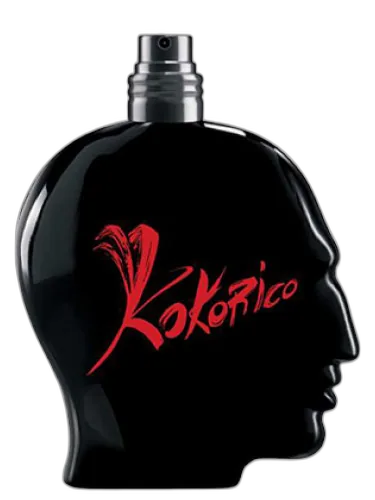
Jean Paul Gaultier
Kokorico Jean Paul Gaultier
Shared accords: aromatic, earthy, fresh

Imaginary Authors
The Soft Lawn: Edition 2.0 Imaginary Authors
Shared accords: aromatic, earthy, fresh
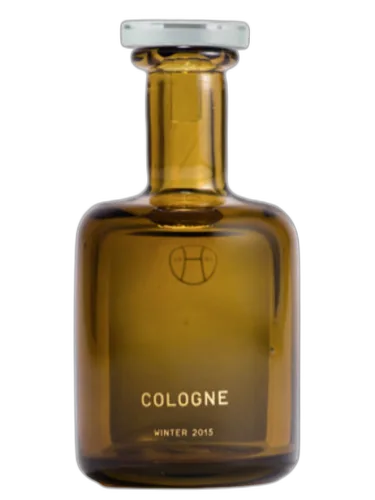
Perfumer H
Cologne Perfumer H
Shared accords: aromatic, earthy, fresh

Bruno Banani
Bruno Banani Summer Man Limited Edition 2023 Bruno Banani
Shared accords: aromatic, earthy, fresh